
Desserts
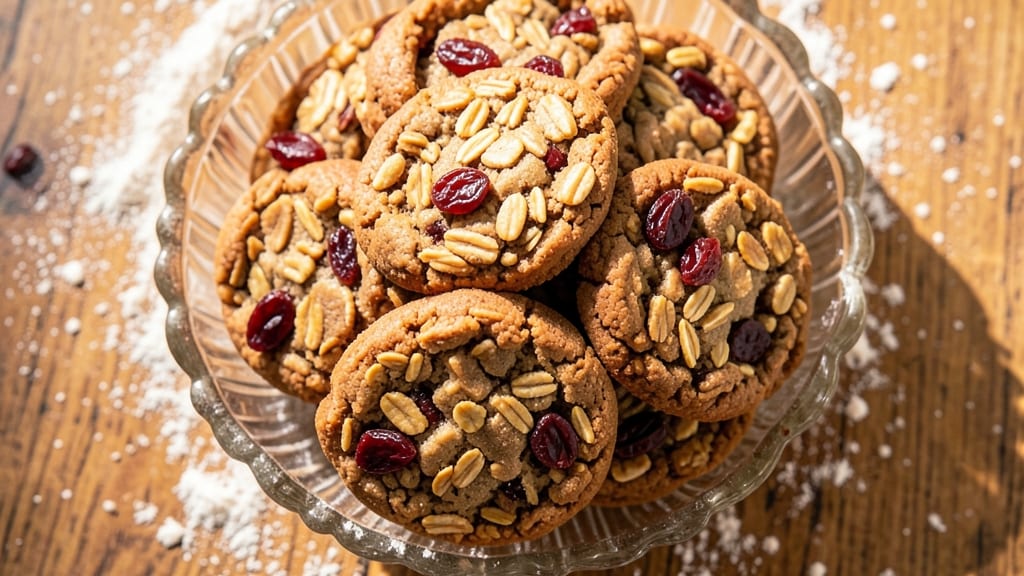
This Quaker oats raisin cookie recipe delivers the perfect balance of chewy centers and nutty oat crunch that keeps everyone reaching for seconds. After years of testing variations, I've perfected a method that ensures tender cookies with just the right amount of oat texture—no dry, crumbly disappointments here.
The secret lies in precise ingredient ratios and a gentle baking approach that preserves moisture while developing that signature oat flavor.
What makes these cookies truly special is how they combine simple pantry staples with professional results. You'll use 1 cup of Quaker oats for that signature texture, ½ cup of raisins for natural sweetness, and a touch of cinnamon for warmth.
The dough comes together in 10 minutes with just 10 ingredients, yet the flavor complexity rivals bakery versions. This recipe is particularly foolproof for beginners, but even experienced bakers will appreciate the consistent texture.
By the time these cookies emerge from the oven, you'll have golden-brown edges with soft, chewy centers that hold their shape perfectly. The raisins stay plump and the oats maintain their satisfying crunch, creating a texture contrast that makes each bite exciting.
These cookies stay fresh for 5 days in an airtight container, though they rarely last that long in my kitchen. The aroma alone will have your whole house asking what you're baking.
Perfect for holiday baking, school treats, or satisfying afternoon cravings, these cookies adapt easily to dietary preferences. Swap raisins for chocolate chips, add chopped nuts for extra crunch, or use whole wheat flour for a healthier version.
The base recipe delivers consistently delicious results every time—once you try these, store-bought oatmeal cookies won't stand a chance.
Ingredients for quaker oats raisin cookie
Ten simple ingredients transform into cookies with chewy centers and nutty oat crunch.
| Ingredient | Amount | Notes |
|---|---|---|
| Quaker Old-Fashioned Rolled Oats 🌾 | 1 cup | Not instant, for texture |
| All-Purpose Flour 🌾 | 1 ½ cups | Sifted for light texture |
| Unsalted Butter 🧈 | ½ cup | Cold, cubed for even baking |
| Light Brown Sugar 🍚 | ¾ cup | Packed firmly for sweetness |
| Granulated Sugar 🍚 | ¼ cup | For crisp edges |
| Large Eggs 🥚 | 1 whole | Room temperature for blending |
| Pure Vanilla Extract 🍯 | 1 tsp | High-quality for aroma |
| Ground Cinnamon 🌿 | 1 ½ tsp | Freshly ground preferred |
| Sea Salt 🧂 | ½ tsp | Fine grain for balance |
| Seedless Raisins 🍇 | ½ cup | Plump, not shriveled |
The oats are non-negotiable—Quaker Old-Fashioned Rolled Oats give that signature texture. Trader Joe's and Whole Foods carry the best quality in bulk bins, but any store's oat aisle will work. Avoid instant oats—they're too fine and won't hold their shape. For the raisins, look for seedless varieties at the grocery store's baking section. They absorb moisture better than regular raisins, keeping your cookies tender. The butter should be cold when you measure it—pull it from the fridge right before mixing. This ensures your cookies hold their shape without spreading too much.
No rolled oats? Quick oats work in a pinch, but they'll give a slightly denser texture. Swap raisins for chopped dates or chocolate chips if you prefer. For a nutty boost, fold in ½ cup chopped walnuts or pecans during the last mix. The cinnamon is key—Penzeys or McCormick ground cinnamon adds warmth without bitterness. If you're short on vanilla, vanilla bean paste gives extra depth. The brown sugar should be packed firmly into the measuring cup—don't scoop and level, or you'll lose sweetness. For a gluten-free version, substitute 1 cup gluten-free 1:1 baking flour and add ½ tsp xanthan gum to the dry ingredients.
These cookies stay fresh for 5 days in an airtight container at room temperature, though they rarely last that long. For longer storage, freeze portions on a tray first, then transfer to a bag—3 months in the freezer with no texture loss. Reheat in a 350°F oven for 5 minutes to restore that fresh-from-the-oven aroma. Double the batch and freeze half for holiday baking—Costco sells large bags of raisins and oats at great prices if you're prepping ahead. The dough can wait 24 hours in the fridge if you need to pause, but don't let it sit too long or the butter will soften.
Why You'll Love This Recipe
- No Mixer Needed: I swear by this one—just smash the oats and butter with your fingers until it’s crumbly, then fold in everything else. No fancy equipment, no stress, just pure cookie magic in minutes.
- Chewy-Crisp Contrast: That rolled oat texture gives it a satisfying bite, while the brown sugar keeps the centers soft and gooey. Honestly, it’s the kind of cookie that disappears faster than you can say “raisin.”
- Pantry Staple Power: You’re probably already stocked for this—oats, flour, butter, sugar—no weird ingredients to hunt down. Between us, it’s my go-to when I’m low on snacks but high on cravings.
- Freezer-Friendly Fudge: Bake a batch, let them cool, and stash them in the freezer. Toss one in the oven for 10 minutes when you’re in a rush—warm, chewy, and still tastes like you put in effort. (Yes, even on a Tuesday night.)
Step-by-step instructions for Quaker oats raisin cookies
Here's how to craft these chewy, nutty oat cookies with perfect raisin distribution every time.
Prepare the Oat Base for Maximum Texture
In a food processor, pulse the 1 cup Quaker Old-Fashioned Rolled Oats until they resemble coarse sand—this creates the signature crunch while maintaining chewiness. I like to work in batches if needed, but don't over-process or they'll turn into oat flour. Transfer the oats to a medium mixing bowl and set aside.
While the oats process, measure out the 1.5 cups All-Purpose Flour and sift it directly into the same bowl. This aerates the flour and prevents dense cookies. The sifting also removes any lumps that could create uneven texture in your final cookies.
Cream Butter and Sugars for Light Structure
In a separate large mixing bowl, combine the 0.5 cup Unsalted Butter (cold, cubed as specified) with the 0.75 cup Light Brown Sugar and 0.25 cup Granulated Sugar. Using a hand mixer on medium speed, beat for 3-4 minutes until the mixture is light, fluffy, and nearly doubles in volume. You'll see ribbons form when you lift the beaters—this indicates proper aeration.
The butter should be completely incorporated but still hold its shape when pressed between fingers. This stage is critical for creating those signature chewy centers. If your kitchen feels warm, chill the butter slightly before starting to prevent premature melting.
Incorporate Wet Ingredients and Spices
Add the 1 whole Large Eggs (room temperature) one at a time, mixing on low speed for 30 seconds after each addition until fully combined. Then stir in the 1 tsp Pure Vanilla Extract and 1.5 tsp Ground Cinnamon. The mixture will appear thick but should hold together when pressed.
Finally, add the 0.5 tsp Sea Salt and mix just until dissolved. This is where the spices really start to bloom—you'll notice the cinnamon developing its warm aroma. The dough should be soft but not sticky, forming a loose ball when pressed between fingers. If it feels too dry, add 1 tablespoon of cold water.
Fold in Raisins and Oat Mixture
Gently fold in the 0.5 cup Seedless Raisins using a silicone spatula, being careful not to break them apart. Then add the prepared oat-flour mixture and mix on low speed for 15-20 seconds until just combined. Overmixing develops gluten and makes the cookies tough. The dough should be soft and slightly sticky—this ensures proper spread and chewiness in the oven.
Here's the thing—don't worry if the dough looks under-mixed. The raisins will distribute evenly as you scoop and roll the dough. For best results, cover the bowl with plastic wrap and refrigerate for 30 minutes while you preheat the oven to 350°F. This resting period helps the flour hydrate properly and prevents excessive spreading.
Bake to Golden Perfection with Chewy Centers
Line two baking sheets with parchment paper and preheat your oven to 350°F. Using a 1.5-tablespoon cookie scoop, portion the dough into balls and place them 2 inches apart on the prepared sheets. Gently flatten each ball with your palm to about ½-inch thickness—this creates the signature flat-topped cookies.
Bake for 12-14 minutes until the edges are golden brown but the centers still look slightly underdone. The cookies will continue cooking on the hot sheet after removal. Let them cool on the baking sheet for 5 minutes before transferring to a wire rack to cool completely. The centers should be soft and chewy while the edges maintain their crisp texture—a perfect balance of textures in every bite.
Pro Tips For Making Quaker Oats Raisin Cookie
- Toast the Oats: Spread the rolled oats on a baking sheet and bake at 325°F for 8–10 minutes until they’re golden and smell toasty. I learned this the hard way—untosted oats make the cookies dense and bland. (Yes, even if you’re impatient like me, skip the microwave.)
- Cream the Butter Cold: Use butter straight from the fridge and beat it with the sugars until it’s light but still holds peaks—about 2–3 minutes. Over-creaming introduces air that makes cookies spread too much. My grandmother swore by this, and she was right: the texture stays chewy.
- Chop Raisins Fine: Pulse raisins in a food processor for 10 seconds or chop them with a knife—tiny pieces distribute evenly and plump up better. Large raisins sink to the bottom and stay dry. (Your future self will thank you.)
- Chill the Dough: Divide the dough into balls, flatten slightly, and refrigerate for at least 30 minutes before baking. This prevents over-spreading and ensures thick, cakey cookies. I was skeptical until I tried it—now I never skip it.
Best sauces and condiments for quaker oats raisin cookie
Creamy Vanilla Glaze
Drizzle these cookies with a simple vanilla glaze made from ½ cup powdered sugar, 1 tbsp milk, and ½ tsp vanilla extract. Mix until smooth and drizzle over cooled cookies using a fork for that classic oatmeal cookie look.
For extra richness, add 1 tbsp melted butter to the glaze mixture. This adds a subtle buttery sheen that enhances the oat flavor. 💛
Salted Caramel Drizzle
Elevate your cookies with a salted caramel drizzle using ½ cup store-bought caramel sauce (like Smucker's) warmed with ½ tsp flaky sea salt. Thin with 1 tsp heavy cream if needed, then drizzle over cookies right after baking while still warm.
The salt enhances the natural sweetness of the raisins and balances the oat's earthiness. I like to sprinkle extra flaky salt on top for contrast.
Lemon-Zest Twist
Brighten the warm spices with a lemon-zest glaze made from ¼ cup powdered sugar, 1 tbsp lemon juice, and 1 tsp lemon zest. This citrusy glaze cuts through the richness while complementing the cinnamon.
For extra flair, add ½ tsp turmeric to the glaze for a golden hue that looks stunning. The acidity also helps prevent the cookies from tasting too heavy.
Chocolate Ganache Dip
For chocolate lovers, melt ½ cup dark chocolate chips (70% cocoa) with 2 tbsp heavy cream over a double boiler. Dip half of each cookie into the ganache and place on parchment paper. Let cool completely—the chocolate will set beautifully while maintaining the cookie's chewy texture.
Add a sprinkle of crushed hazelnuts for extra crunch. This adds a decadent contrast that pairs perfectly with the oat's nuttiness. 🍫
Spiced Honey Drizzle
Create a honey-cinnamon drizzle by simmering 2 tbsp honey with ½ tsp cinnamon and ¼ tsp cardamom for 2 minutes. Cool slightly, then drizzle over cookies. The warm spices deepen the cookie's flavor profile while the honey adds natural sweetness.
This works especially well if you're serving these cookies with tea or coffee—it enhances the cozy, comforting vibe. 🍯
Nutrition facts
Frequently asked questions
Can I substitute quick oats for rolled oats in this recipe?
You can use quick oats, but the texture will be slightly denser. The recipe relies on the chewy, crunchy contrast from rolled oats—pulsing them in a food processor mimics that texture. For best results, stick with rolled oats, but if you're in a pinch, quick oats will still work. Just expect cookies that are a touch softer.
Why are my cookies spreading too much in the oven?
Over-creaming the butter or using warm butter causes excessive spreading. Always use cold, cubed butter and cream it for exactly 3-4 minutes until light but still holding shape. Also, chill the dough for 30 minutes before baking to prevent spreading. The cookies should flatten slightly but maintain their edges.
How do I keep the raisins from sinking to the bottom?
Fold the raisins in gently at the last minute using a silicone spatula. Avoid overmixing the dough—just combine until the raisins are evenly distributed. The dough's slight stickiness helps them stay suspended. For extra insurance, toss the raisins in 1 teaspoon flour before adding them to the dough.
Can I make these cookies gluten-free?
Yes! Replace the all-purpose flour with 1 cup gluten-free 1:1 baking flour and add ½ teaspoon xanthan gum to the dry ingredients. The oats should be certified gluten-free to avoid cross-contamination. Keep all other measurements the same, and expect a slightly denser but still delicious cookie.
How can I prevent the cookies from getting too dry?
Underbaking slightly helps maintain chewiness—pull them when edges are golden but centers look soft. For extra moisture, add 1 tablespoon of milk or melted butter to the dough if it feels too dry. Store in an airtight container with a slice of bread to absorb any excess dryness. These cookies stay fresh for 5 days this way.