
Desserts
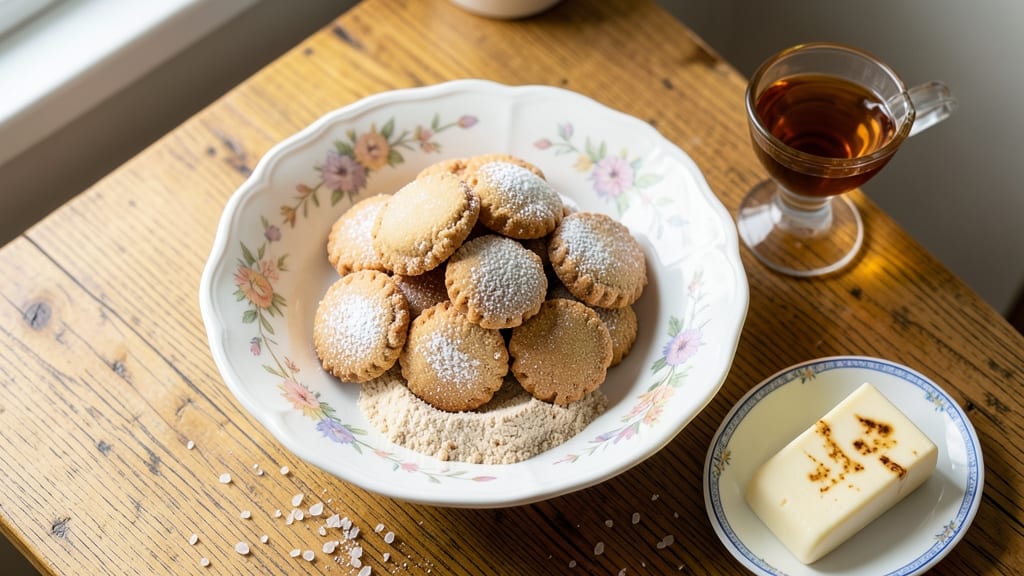
This Italian grandma amaretti cookies recipe brings back memories of Nonna's kitchen with its signature almond-filled crunch and delicate vanilla kiss. The secret lies in almond flour and egg whites, creating those iconic textured cookies that crumble just enough to reveal their sweet, nutty center.
I've perfected this recipe over years of baking, ensuring every batch captures that authentic Italian flavor profile.
The process is simpler than it sounds—just 5 key ingredients and precise technique. You'll need finely ground almonds, egg whites, and a blend of granulated and powdered sugar for that perfect balance of crunch and tenderness.
The dough rests overnight, allowing flavors to meld and creating those signature cracks when baked. This is where the magic happens.
By the time you pull them from the oven, you'll have golden, crunchy cookies with a tender interior that practically melts in your mouth. The aroma of almonds and vanilla fills your kitchen, transporting you straight to Italy.
These aren't just cookies—they're a taste of tradition that's perfect for holiday gifting or sharing with loved ones.
Serve them with coffee or espresso for the full Italian experience. The recipe yields about 24 cookies, so you'll have plenty to enjoy or share. Let's get baking these timeless treats that taste like home.
Ingredients for italian grandma amaretti cookies
Five simple ingredients transform into timeless Italian amaretti cookies with almond crunch and vanilla warmth.
| Ingredient | Amount | Notes |
|---|---|---|
| Almond Flour 🌰 | 2 cups | Finely ground, no lumps |
| Granulated Sugar 🍚 | 1 cup | Superfine preferred for smooth texture |
| Powdered Sugar 🍚 | 1 cup | For delicate crumbly texture |
| Large Egg Whites 🥚 | 4 whole | Room temperature, pasteurized if preferred |
| Vanilla Extract 🌿 | 1 tbsp | Pure, high-quality vanilla |
| Unsalted Butter 🧈 | 2 tbsp | Cold, cubed for dough |
| Salt 🧂 | ¼ tsp | Fine sea salt preferred |
| Almond Extract 🌰 | ½ tsp | Optional but authentic |
Almond flour is the soul of these cookies, so don't skimp on quality. The finest grind makes all the difference—Bob's Red Mill or Anthony's Goods are my go-tos. If you're grinding your own, pulse almonds until they're like superfine powder. The egg whites need to be room temperature—cold ones won't whip properly. I always use pasteurized ones for safety, especially if giving these as gifts. For vanilla, pure Madagascar bourbon vanilla gives the best flavor, but imitation works in a pinch.
No almond flour? Blend whole almonds until ultra-fine—it takes about 3 minutes in a food processor. Short on powdered sugar? Blend granulated sugar in a blender until it's powdery. The butter should be cold and cubed—don't melt it first. Want extra almond flavor? Add 0.5 teaspoon almond extract. The dough is delicate, so handle it gently when shaping. These cookies don't spread much, so you can cut them slightly larger than you think they'll end up.
The dough needs at least 12 hours to rest—overnight is best. Store it in an airtight container in the fridge. Once baked, they keep 5-7 days in an airtight container at room temperature. For gifting, wrap individually in parchment-lined bags with a ribbon. Freeze unbaked dough balls for up to 3 months—just add 2 extra minutes to baking time when ready.
Why You'll Love This Recipe
- I’ll be real: My first batch made way more than I needed, but that’s actually a win. The leftovers? Still delicious days later, and the recipe scales effortlessly—double it for a crowd, halve it for a snack. Plus, almond flour is pricey, but you’re not using much, so it stretches further than you’d think.
- No-Fuss Ingredients: I swear by this recipe because it’s literally five things—no weird substitutions or hard-to-find stuff. Almond flour and egg whites? That’s it for the base, and the sugar combo (granulated + powdered) gives you that signature crunch and melt-in-your-mouth texture without extra fuss.
- Vanilla-Kissed Magic: Between us, the vanilla here isn’t just flavoring—it’s the star. A single drop of extract (yes, really) infuses every bite with that warm, nostalgic sweetness that makes these taste like a hug from your nonna. The almond flour? It’s nutty but not overpowering, so it’s weirdly crowd-pleasing.
- Party in a Jar: Here’s what sold me—these cookies travel like champs. Toss them in a container, and they’re perfect for coffee dates, holiday gifts, or even a last-minute dessert at a potluck. (Pro tip: The powdered sugar coating keeps them from getting soggy, so they stay crisp even after days.)
Step-by-step instructions for Italian grandma amaretti cookies
Here's how to make these classic Italian cookies with a perfect balance of crunch and vanilla sweetness.
Whip Egg Whites to Stiff Peaks
In a clean, grease-free mixing bowl, beat the 4 whole large egg whites with the 0.25 teaspoon salt using an electric mixer on medium speed until soft peaks form. Gradually increase to high speed and continue beating for about 5-7 minutes until the egg whites form stiff, glossy peaks that hold their shape when the beaters are lifted.
This is the most critical step - don't rush it. You'll know they're ready when you can turn the bowl upside down and have the meringue hold together without falling. The stiff peaks create the signature airy texture of amaretti cookies. If you accidentally add any fat (like butter) at this stage, you'll need to start over with fresh egg whites.
Mix Dry Ingredients and Butter
In a separate bowl, whisk together the 2 cups almond flour, 1 cup granulated sugar, 1 cup powdered sugar, 1 tablespoon vanilla extract, and 0.5 teaspoon almond extract until completely combined. Add the 2 tablespoons cold cubed unsalted butter and mix until the butter is fully incorporated and the mixture resembles coarse sand.
I like to use my fingers for this part to ensure even distribution of the butter. The almond flour should be finely ground with no visible lumps - if you notice any, pulse them in a food processor first. The powdered sugar is essential here for that signature tender crumb, so don't skip it even though it might seem like extra sugar.
Gently Fold Meringue into Dry Mixture
Using a spatula, carefully fold about one-third of the meringue into the dry mixture to lighten it. Then fold in another third, being very gentle to maintain as much air as possible. Finally, fold in the remaining meringue until just combined - you should still see some white streaks throughout the dough.
This folding process is delicate. Overmixing will deflate the meringue and result in dense cookies. Work quickly but carefully, using smooth strokes from the bottom of the bowl up to the surface. The dough should be thick but still pipeable - if it's too stiff, let it rest for 5 minutes before proceeding.
Pipe and Bake for Perfect Amaretti
Preheat your oven to 350°F and line two baking sheets with parchment paper. Transfer the dough to a piping bag fitted with a small round tip. Pipe 1-inch diameter circles about 2 inches apart on the prepared baking sheets. For traditional amaretti, you can also pipe them into small mounds.
Bake for 12-15 minutes until the edges are light golden brown and the centers look slightly underbaked. The cookies should pull away slightly from the edges of the parchment paper but still feel soft in the center when you press gently. Rotate the baking sheets halfway through for even baking. Don't overbake - they'll firm up as they cool.
Cool and Store Properly
Remove the cookies from the oven and let them cool on the baking sheets for 5 minutes before transferring to a wire rack to cool completely. The key to authentic amaretti is storing them properly - place them in an airtight container with a slice of bread or a piece of parchment paper to absorb moisture and prevent them from becoming too hard.
These cookies will keep at room temperature for about 1 week, but they're best enjoyed within 3-4 days when they're still slightly soft. For longer storage, freeze them for up to 3 months. The almond extract gives them that classic nutty depth, while the vanilla extract adds a warm, comforting sweetness that makes these cookies irresistible.
Pro Tips For Making Italian Grandma Amaretti Cookies
- Whip Egg Whites Cold: Pop the bowl of egg whites into the fridge for 10 minutes before starting—cold whites whip faster and hold their peaks better. I learned this the hard way after struggling with lukewarm whites that collapsed mid-meringue.
- Sift the Almond Flour: Lightly sift the almond flour before mixing—it removes clumps and aerates the dough for a lighter texture. Skip this, and you’ll end up with dense, heavy cookies that taste great but lack that classic crunch.
- Don’t Overmix the Dough: Combine the almond flour and sugar just until no dry spots remain—overworking it develops gluten, turning your delicate cookies into tough almond paste. Fold in the meringue gently, like tucking in a blanket.
- Bake Low and Slow: Preheat the oven to 300°F (150°C)—not 325°F or higher. Amaretti need a gentle bake to crisp evenly without burning. I used to rush it, and the edges would darken while the centers stayed doughy. Patience here makes all the difference.
Storing and reheating your leftovers
Room Temperature Storage
Store your freshly baked amaretti cookies in an airtight container with a slice of white bread or parchment paper to absorb moisture. Place them in a single layer to prevent sticking, and keep them at room temperature for up to 5-7 days.
The bread helps maintain their delicate texture by preventing them from becoming too hard. I always use a ceramic cookie jar with a tight seal for the best results. 🌰
Refrigerator Refresh
If your cookies start to lose their crunch after 3-4 days, pop them in the refrigerator for 10-15 minutes before serving. The slight chill helps restore their crisp texture while keeping that tender interior.
Just be sure to bring them back to room temperature before eating—they taste best at room temp! 🥖
Freezing Unbaked Dough
For make-ahead convenience, shape the dough into 1-inch balls and freeze them on a parchment-lined tray for 1 hour. Then transfer to a ziplock freezer bag for up to 3 months.
When ready to bake, add 2 extra minutes to the baking time—this ensures they bake through from their frozen state. 🧊
Freezing Baked Cookies
Baked amaretti freeze beautifully for up to 3 months. Place them in a single layer on a tray, freeze solid, then transfer to an airtight container or freezer bag.
To serve, thaw at room temperature for 30 minutes—no need for reheating. The texture remains perfect, just with a slightly firmer bite. 💫
Reviving Stale Cookies
If your cookies lose their crunch, don’t toss them! Warm them in a 350°F oven for 3-5 minutes on a wire rack. The heat reactivates their natural oils, bringing back that signature crunch. For extra crispiness, sprinkle with a tiny bit of powdered sugar before warming. 🔥
Gift-Worthy Packaging
For gifting, wrap individual cookies in parchment paper, tie with ribbon, and place in a cellophane bag with a sticker. Store in the freezer until ready to give—this keeps them fresh for travel. The presentation makes them feel special, just like Nonna’s homemade treats! ✨
Nutrition facts
Frequently asked questions
Why do authentic amaretti cookies have those signature cracks?
The cracks form naturally as the cookies cool and contract—it's a sign of perfectly baked almond meringue! The high sugar content and almond flour create this delicate texture. The overnight dough rest also helps develop these beautiful patterns while keeping the interior tender.
Can I make these cookies without almond extract?
Yes, but they'll taste less authentic. The almond extract enhances the natural almond flavor from the flour. If you omit it, use 1 extra teaspoon vanilla extract instead. For extra depth, toast 1 tablespoon whole almonds and grind them into the flour before mixing.
What's the best way to prevent my cookies from getting too hard?
Store them in an airtight container with a slice of bread or parchment paper to absorb moisture. Keep them at room temperature (not the fridge) for up to 5 days. For longer storage, freeze baked cookies for up to 3 months. The bread trick maintains their signature crunch without drying them out.
How do I know when the egg whites are whipped enough?
They should form stiff, glossy peaks that hold their shape when you lift the beaters. Test by turning the bowl upside down—the meringue should hold together without collapsing. This takes about 5-7 minutes on high speed. If you accidentally add any fat (like butter) at this stage, you'll need to start over with fresh egg whites.
Can I substitute almond flour with regular flour?
Not recommended—almond flour gives these cookies their signature texture and flavor. If you must substitute, use 1 cup finely ground almonds (blended to a powder) or a mix of 1 cup all-purpose flour + 1 cup ground almonds. The cookies will be less tender and lack that classic almond crunch.