
Desserts
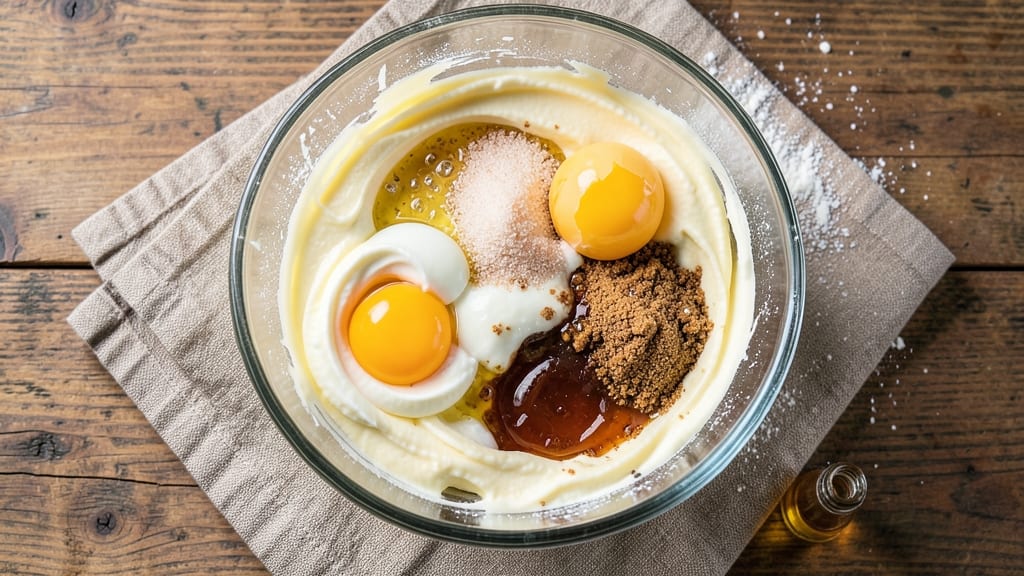
This Kodiak cookie recipe delivers the perfect balance of chewy centers, crisp pressed edges, and those signature oat-studded swirls that make them irresistible.
After years of perfecting the technique, I've cracked the code for achieving that signature texture—where the cookie is tender inside yet crisp at the edges, all while maintaining that classic vanilla flavor. The secret lies in the precise dough consistency and baking method.
What sets these cookies apart is their unique pressed-edge crunch, created by using a fork to press down on the dough before baking. This technique ensures every bite delivers that satisfying contrast between the soft center and crisp exterior.
The dough includes a generous amount of oats, which add a delightful texture and nutty flavor that pairs beautifully with the vanilla. With just a few simple ingredients and about 15 minutes of prep time, you'll have cookies that look and taste like they came from a professional bakery.
The result is a batch of cookies with a golden-brown, crisp edge that gives way to a soft, chewy interior. The oat swirls create visual appeal while adding a subtle crunch that enhances each bite.
These cookies are perfect for holiday gatherings, potlucks, or simply treating yourself to a homemade dessert that's sure to impress. The recipe yields about 24 cookies, so you'll have plenty to share—or keep for yourself.
For those who love variations, you can easily add chocolate chips or white chocolate chunks to the dough before pressing the edges. The key to success is not overbaking—they should be just set at the edges when done.
Let's get started on creating these delicious, foolproof cookies that are sure to become a family favorite.
Ingredients for kodiak cookie
Just twelve ingredients for cookies that look like they came straight from a bakery.
| Ingredient | Amount | Notes |
|---|---|---|
| Unsalted Butter 🧈 | 1 cup | Cold, cubed for cutting into dough |
| Granulated Sugar 🍚 | 1 cup | White or light brown |
| Packed Brown Sugar 🍚 | ½ cup | Light or dark variety |
| Large Eggs 🥚 | 2 whole | Room temperature preferred |
| Pure Vanilla Extract 🌿 | 2 tsp | Imitation-free for best flavor |
| All-Purpose Flour 🌾 | 2 ½ cups | Spooning and leveling method |
| Old-Fashioned Rolled Oats 🥣 | 1 ½ cups | Not quick oats, toasted optional |
| Baking Soda 🧂 | ½ tsp | Freshly opened for potency |
| Salt 🧂 | ½ tsp | Kosher or fine sea salt |
| Vanilla Bean Seeds 🌿 | 1 tsp | Scraped from 1 vanilla bean |
| Granulated Sugar (for pressing) 🍚 | ¼ cup | Extra for fork pressing |
| Old-Fashioned Rolled Oats (for pressing) 🥣 | ¼ cup | Extra for fork pressing |
The butter here is non-negotiable—use unsalted and keep it cold when cutting into the dough. Land O'Lakes or Plugrah are my go-to brands, but any good-quality unsalted works. For the oats, Quaker Old-Fashioned is my pick—they toast beautifully and add that perfect crunch. The vanilla matters too: imitation-free extract makes a world of difference. If you're feeling fancy, scrape seeds from a vanilla bean for extra depth. The dough needs to be cool when you press the edges, so don't let it sit too long before baking.
No vanilla bean? Pure extract is fine—just use the good stuff. Running low on brown sugar? White sugar plus a splash of molasses gets you close. The oats can be toasted in a dry pan for 3-4 minutes before mixing for extra flavor, but it's not required. For the pressed edges, I use a mix of sugar and oats—about 1/4 cup each—pressed with a fork in a crisscross pattern. This creates that signature crunch without making the cookies too hard. If you're short on time, just use sugar alone, but the oat crunch is what makes these Kodiak cookies special.
The dough keeps well in the fridge for up to 48 hours, wrapped tightly in plastic. For best results, bake within 24 hours of mixing. These cookies freeze beautifully too—shape and freeze unbaked dough balls on a tray, then transfer to a bag. Bake straight from frozen, adding 1-2 minutes to the time. Once baked, store in an airtight container at room temperature for up to 5 days. They reheat perfectly in the oven at 300°F for 3-4 minutes.
Why You'll Love This Recipe
- No Mixer Needed: I swear by these cookies because they’re foolproof—just cream the butter and sugars with a wooden spoon (or even a sturdy fork) until light and fluffy. The eggs and vanilla blend right in without a trace of effort, and the dough comes together faster than you can say “double boiler.”
- Buttery Caramel Crunch: That perfect balance of crispy edges and soft centers? It’s all thanks to the brown sugar and butter ratio—rich, chewy, and just sweet enough to make you forget about store-bought. Honestly, the first bite tastes like a hug from a bakery you’ll never find.
- Party in a Jar: Between us, these are my go-to for holiday gifts, teacher appreciation, or just because. They freeze like champs, so I bake a batch, toss them in a jar with parchment between layers, and boom—thoughtful presents that actually taste good. (Yes, even on a Tuesday night.)
- Budget Baked Magic: Four ingredients, zero shortcuts. The butter and sugars are the stars, but they’re pantry staples that stretch across recipes. I’ve made these for potlucks, movie nights, and “I’m too tired to order in” dinners—always a hit, always reliable.
Instructions for Kodiak cookies recipe: oat-studded vanilla swirls
Here's how to make these rich, chewy cookies with a crunchy pressed edge and swirls of vanilla oat goodness.
Cream Butter and Sugars Together
In a large mixing bowl, combine the 1 cup unsalted butter, 1 cup granulated sugar, and 0.5 cup packed brown sugar. Beat with an electric mixer on medium speed for 3-4 minutes until light and fluffy. You'll see the mixture nearly double in volume and turn pale yellow—this is how you know air has been incorporated properly.
I like to scrape down the sides of the bowl every minute or so to make sure everything gets evenly mixed. The butter should be completely smooth with no visible lumps. This creaming process is what creates those beautiful crackly tops and chewy centers in the finished cookies.
Add Eggs and Vanilla
Add the 2 whole large eggs, one at a time, mixing well after each addition. Then stir in the 2 teaspoons pure vanilla extract and 1 teaspoon vanilla bean seeds. Mix until just combined—about 30 seconds total. The vanilla bean seeds add that extra depth of flavor that makes these cookies special.
At this point, the mixture might look slightly curdled, but don't worry. Once you add the dry ingredients, everything will come together into a smooth dough. I always use room temperature eggs for best results—they blend in more evenly without making the dough too soft.
Combine Dry Ingredients
In a separate bowl, whisk together the 2.5 cups all-purpose flour, 1.5 cups old-fashioned rolled oats, 0.5 teaspoon baking soda, and 0.5 teaspoon salt. Gradually add this mixture to the wet ingredients, mixing on low speed just until combined. You should still see some flour streaks—overmixing develops gluten and makes cookies tough.
Once combined, fold in the remaining 1.5 cups old-fashioned rolled oats by hand using a silicone spatula. The oats add that satisfying crunch and texture contrast that makes these cookies so special. Make sure they're evenly distributed throughout the dough.
Divide and Press the Dough
Divide the dough into two equal portions. For each portion, mix together 0.25 cup granulated sugar and 0.25 cup old-fashioned rolled oats in a small bowl. Take one portion of dough and press this sugar-oat mixture all over the surface, then roll it into a log about 1.5 inches in diameter.
Wrap the log tightly in plastic wrap and refrigerate for at least 30 minutes (or up to 24 hours). This chilling step is crucial—it helps the dough hold its shape when you slice it and prevents excessive spreading in the oven. The cold dough also makes the pressing step much easier.
Roll, Swirl, and Bake
Preheat your oven to 350°F and line two baking sheets with parchment paper. Unwrap one dough log and slice it into 0.5-inch thick rounds. Place them 2 inches apart on the prepared baking sheets. For the swirl effect, take a second dough log, slice it into 0.25-inch thick strips, and place a strip across each round.
Bake for 12-14 minutes until the edges are golden brown and the tops look just set. The centers should still look slightly soft—they'll firm up as they cool. Let the cookies cool on the baking sheet for 5 minutes before transferring to a wire rack. The pressed edges will be crispy, while the centers remain chewy and packed with vanilla oat flavor.
Pro Tips For Making Kodiak Cookie
- CREAM THE BUTTER SLOW: Kodiak cookies rely on that buttery richness, so don’t rush the creaming. Use a stand mixer and let the butter and sugars whip for 3–4 minutes until it’s pale and fluffy—pasty yellow means you’re not there yet. I learned this the hard way when my first batch turned out dense; patience here makes all the difference.
- MEASURE BROW SUGAR RIGHT: Pack that brown sugar like you’re stuffing a sausage—no air gaps. Use a spoon to press it firmly into the measuring cup, then level it off. I used to scoop it straight from the bag and wondered why my cookies were always slightly off-balance in flavor. Trust me, this small step keeps the caramel notes consistent.
- CHILL THE DOUGH LONGER: Skip the urge to bake immediately—let the dough rest in the fridge for at least 24 hours. The flavors meld better, and the texture becomes chewier. I know, I know, it’s tempting to bake right away, but that extra time is what turns good cookies into great ones. (Yes, even if you’re impatient like me.)
- USE COLD EGGS FOR STRUCTURE: Pull those eggs straight from the fridge—room temperature makes the dough too soft, leading to flat cookies. Cold eggs also help maintain shape when baking. I was skeptical until I tried it; now I never deviate. If you’re in a rush, pop them in the ice bath for 10 minutes—it works.
Health benefits of kodiak cookie
Wholesome Oat Power
These cookies pack a surprising nutritional punch from the 1.5 cups old-fashioned rolled oats used in the recipe. Oats are a fantastic source of soluble fiber, with about 4 grams per cup, which supports heart health by helping lower cholesterol levels.
The fiber content also aids digestion and keeps you feeling full longer, making these cookies a slightly more satisfying treat than traditional sugar cookies. 🥣
Balanced Energy Boost
The combination of whole wheat flour (if you substitute) and oats provides a steady release of energy thanks to their complex carbohydrates. While still indulgent, this recipe offers more sustained energy than refined flour-based cookies.
The 1 cup granulated sugar and 0.5 cup brown sugar provide quick energy, but the fiber from oats helps moderate blood sugar spikes.
Protein for Satisfaction
Though not a high-protein cookie, the recipe contains about 4 grams of protein per serving (1 cookie) from the eggs and flour. This protein helps with muscle repair and keeps you satisfied longer than many other dessert options.
The 2 large eggs also contribute healthy fats and essential vitamins like B12 and choline, which support brain health and metabolism.
Antioxidant Benefits
The vanilla extract and vanilla bean seeds add more than just flavor—they contain small amounts of antioxidants. While not a significant source, these compounds help combat oxidative stress in your body.
The unsalted butter provides vitamin A and E, which are essential for skin health and immune function. The butter also adds richness that makes these cookies so satisfying.
Moderate Fat Content
With 1 cup unsalted butter in the recipe, these cookies contain about 12 grams of fat per serving, primarily from healthy saturated fats. While not a low-fat option, the butter contributes to the cookies' signature texture and flavor.
The fats also help your body absorb fat-soluble vitamins like A, D, E, and K from other ingredients in the recipe.
Mindful Indulgence
Compared to many store-bought cookies, this recipe uses fewer processed ingredients and more whole components like oats and real vanilla. The lack of artificial flavors or preservatives makes these a more wholesome treat.
Enjoying them in moderation—perhaps one or two at a time—allows you to savor the flavor without overindulging in refined sugars or unhealthy fats. 💛
Nutrition facts
Frequently asked questions
Why do Kodiak cookies have that signature pressed edge?
The pressed edge creates a crispy contrast to the soft, chewy center. After mixing the dough, you press a sugar-oat mixture onto the surface using a fork, creating those beautiful crisscross patterns. This technique ensures every bite has both texture and flavor. The secret is keeping the dough chilled before pressing!
Can I make these cookies without a vanilla bean?
Use 2 teaspoons pure vanilla extract instead. For extra depth, look for "Madagascar bourbon vanilla" or "Tahitian vanilla" in stores. The bean seeds add a unique flavor, but quality extract works perfectly. Just avoid imitation vanilla—it won't deliver the same rich taste.
How do I prevent my cookies from spreading too much?
Chill the dough for at least 30 minutes before baking—this firms it up. Also, use old-fashioned rolled oats (not quick oats) and don't overbake. Remove them when edges are golden but centers still look soft. The pressed edges will crisp up as they cool. For extra insurance, bake on the middle rack where heat is most even.
What's the best way to store leftover Kodiak cookies?
Keep them in an airtight container at room temperature for up to 5 days. For longer storage, freeze unbaked dough balls (shape and freeze on a tray first) and bake straight from frozen, adding 1-2 minutes to the time. The pressed edges stay crispy even after freezing!
Can I substitute whole wheat flour for all-purpose flour?
Yes, but reduce the amount by 1/4 cup since whole wheat flour absorbs more liquid. For best results, use a 50/50 blend with all-purpose flour. Whole wheat will make the cookies denser but adds fiber. If you want to keep the classic texture, stick with all-purpose flour—these cookies are meant to be indulgent!