
Desserts
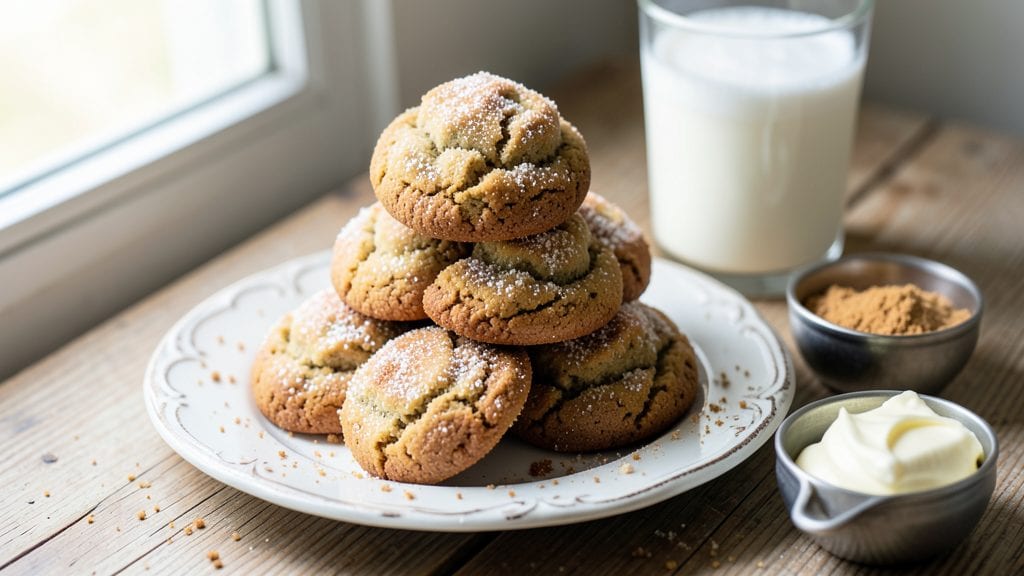
Ina Garten's snickerdoodle cookies recipe delivers the perfect balance of tender vanilla dough and that signature cinnamon-sugar crown that makes them irresistible. The secret lies in chilling the dough for optimal texture and rolling it to an even thickness—both hallmarks of Ina's precise method.
I've baked these countless times, and they never fail to impress with their buttery flavor and crisp edges.
What sets these apart is the vanilla swirl magic baked right into the dough, creating a subtle flavor that pairs beautifully with the warm cinnamon-sugar coating.
The recipe uses simple ingredients but requires attention to detail during preparation—like resting the dough properly and baking at the right temperature—to achieve that restaurant-quality result at home. Every bite delivers that perfect harmony of sweet, spiced, and buttery notes.
Ready in just 15 minutes of prep time plus baking, this recipe is perfect for holiday gatherings, potlucks, or satisfying a midweek sweet tooth. The dough's tender yet slightly crisp texture comes from careful handling, while the cinnamon-sugar topping adds that irresistible crunch.
Once you try these, you'll understand why they're a crowd favorite.
These cookies keep well for up to 5 days in an airtight container, making them ideal for meal prep or gifting. The recipe scales easily too, so you can bake a batch for a party or just enjoy a small batch for yourself. Let's get baking these perfect cinnamon-sugar crowns!
Ingredients for ina garten snickerdoodle cookies
Simple pantry staples transform into Ina Garten's legendary cinnamon-sugar crown cookies with vanilla swirl magic.
| Ingredient | Amount | Notes |
|---|---|---|
| Unsalted Butter 🧈 | 1 cup | Cold, cubed for easier mixing |
| Granulated Sugar 🍚 | ¾ cup | White sugar, not brown |
| Light Brown Sugar 🍚 | ¼ cup | Packed firmly for accuracy |
| Pure Vanilla Extract 🥛 | 1 tbsp | High-quality, no imitation |
| Large Eggs 🥚 | 2 whole | Room temperature for best mixing |
| All-Purpose Flour 🌾 | 2 ½ cups | Sifted for light texture |
| Baking Powder 🍃 | 1 tsp | Freshly measured |
| Ground Cinnamon 🌶️ | 1 ½ tbsp | True cinnamon, not cassia |
| Ground Nutmeg 🌿 | ½ tsp | Freshly grated preferred |
| Sea Salt 🧂 | ½ tsp | Fine grain for even distribution |
| Granulated Sugar (for coating) 🍚 | ½ cup | Same as first sugar |
| Ground Cinnamon (for coating) 🌶️ | 2 tbsp | Same as dough cinnamon |
The butter is absolutely essential—use European-style unsalted butter like Plugrá or Land O'Lakes for that rich, flavorful base. Grab it cold from the fridge and cube it before mixing for easier incorporation. King Arthur or Bob's Red Mill flour makes all the difference here—it's lighter and absorbs moisture better. I always sift mine to avoid dense cookies. The vanilla extract? Go for pure Madagascar bourbon vanilla if you can find it at Williams Sonoma—it adds that extra depth that makes these cookies truly special. Pro tip: measure your brown sugar firmly into the cup and level it off—packed sugar throws off the ratio.
No vanilla extract? Vanilla bean paste works too—just use half the amount. Running low on cinnamon? Cassia is fine, but true cinnamon has that delicate warmth. If you don't have nutmeg, a pinch of allspice works in a pinch. For the coating, I like to mix the sugar and cinnamon right in the bowl—no need for extra bowls. The dough needs to chill for at least 30 minutes, but up to 48 hours works even better if you're prepping ahead. Trust me on this—it's what gives those cookies that perfect texture. And if you're scaling this up, use a kitchen scale for accuracy—especially with the butter.
These cookies keep their magic for about 5 days in an airtight container at room temperature, but honestly? They disappear faster than that. Freeze the dough balls for up to 3 months—bake straight from frozen, adding 1-2 minutes to the time. I always make a double batch and portion them into ziplock bags with parchment between layers for easy gifting. The secret to that perfect cinnamon-sugar crown? Roll the dough balls just slightly larger than a golf ball—they shrink about 25% while baking. And don't skip the chilling—it's what makes them tender, not tough.
Why You'll Love This Recipe
- Three-Ingredient Dough: I swear, this recipe feels like cheating—just butter, sugars, and vanilla. The dough comes together in three minutes of mixing (yes, really), and the eggs just bind it all without fuss. No rolling, no shaping—just scoop, roll, and bake.
- Cinnamon-Sugar Magic: That classic cinnamon-sugar coating isn’t just decoration—it’s the star. The brown sugar caramelizes just enough to give each bite a warm, buttery crunch, while the vanilla in the dough keeps it rich and cozy. (Here’s what sold me: the first bite tastes like nostalgia.)
- Holiday or Weeknight: I’ve used these for Christmas cookie platters, but they’re just as good with a cup of coffee on a Tuesday. The dough keeps well for days, so I make a batch and freeze half—perfect for when you need a quick treat without the holiday hustle.
- Budget-Friendly Luxury: Butter and sugar are simple, but they deliver serious flavor without breaking the bank. A single batch yields 24 cookies, and the leftovers? They disappear faster than I can say “second helping.” (Between us, I’ve been known to eat them straight from the pan.)
Step-by-step instructions for Ina Garten snickerdoodle cookies
These snickerdoodles are all about that perfect vanilla swirl and cinnamon-sugar hug—here's how to nail them every time.
Cream the Butter and Sugars to Fluffy Perfection
In a stand mixer fitted with the paddle attachment, beat the cold, cubed unsalted butter on medium speed until smooth and creamy—about 2 minutes. This takes longer than you might think, but it's worth it for that light, airy texture. Add the 0.75 cup granulated sugar and 0.25 cup light brown sugar, then beat for another 3-4 minutes until the mixture is pale and nearly doubles in volume. You're looking for a ribbony consistency that leaves clean streaks when the paddle lifts.
Here's the thing—don't rush this step. The butter needs to fully incorporate with the sugars to create that signature tender crumb. If you skip this, your cookies might turn out dense. I like to scrape down the sides of the bowl every minute or so to ensure everything gets evenly mixed.
Add Eggs and Vanilla for Rich Flavor
Add the 2 whole large eggs, one at a time, mixing on low speed after each addition until fully incorporated. Then add the 1 tablespoon pure vanilla extract and mix for another 30 seconds until just combined. The mixture should look smooth and slightly thickened—almost like a soft dough at this stage. If it seems too stiff, don't worry, the flour will come together beautifully in the next step.
This is where the magic happens—the vanilla extract infuses deeply during this mixing phase. I always use high-quality vanilla extract because you can really taste the difference in these cookies. The eggs add moisture and structure, so make sure they're at room temperature for best results.
Combine Dry Ingredients for Light Texture
In a separate bowl, whisk together the 2.5 cups all-purpose flour, 1 teaspoon baking powder, 1.5 tablespoons ground cinnamon, 0.5 teaspoon ground nutmeg, and 0.5 teaspoon sea salt. Sift the flour first if you haven't already—this prevents lumps and ensures a light, tender cookie. Gradually add the dry ingredients to the wet mixture, mixing on low speed just until combined. You should still see some flour streaks, but everything should come together into a cohesive dough.
Real talk: don't overmix here. Once the flour is incorporated, stop mixing immediately. Overmixing develops gluten, which leads to tough cookies. The dough should be soft but manageable—if it's too sticky, you might need to add an extra tablespoon or two of flour, but don't go overboard.
Roll, Swirl, and Coat for Signature Flavor
Turn the dough out onto a lightly floured surface and divide it into 2 equal portions. Roll each portion into a 1-inch thick log, about 4 inches long. Using a sharp knife, slice each log into 12 equal pieces. Now for the fun part—roll each piece into a ball, then dip it into a mixture of 0.5 cup granulated sugar and 2 tablespoons ground cinnamon (pre-mixed in a shallow bowl) until fully coated. The coating should stick to the dough easily—if it doesn't, your dough might need a few more minutes to firm up in the fridge.
I like to work quickly here because the dough softens as you handle it. Place the coated dough balls on a parchment-lined baking sheet, spacing them about 2 inches apart. They'll spread slightly as they bake, but not too much. If your dough feels too soft to handle, pop it back in the fridge for 10-15 minutes to firm up.
Bake to Golden, Cinnamon-Kissed Perfection
Preheat your oven to 375°F and bake the snickerdoodles for 10-12 minutes, rotating the baking sheet halfway through, until the edges are golden brown and the centers look just slightly underdone. They should pull away from the edges of the pan but still look soft in the middle—this ensures a gooey center. If you bake them too long, they'll dry out.
Here's the moment that matters: as soon as they come out of the oven, let them cool on the baking sheet for 5 minutes before transferring to a wire rack. This resting period helps the cookies set slightly so they hold their shape when you move them. The aroma filling your kitchen at this point? Pure magic. Enjoy them warm for the ultimate snickerdoodle experience—crispy edges, soft centers, and that perfect cinnamon-sugar hug in every bite.
Pro Tips For Making Ina Garten Snickerdoodle Cookies
- Cream Butter and Sugar Slowly: Don’t just pulse the butter and sugars in the mixer—let them sit for 30 seconds between bursts. This gives the brown sugar time to fully dissolve into the butter, creating a smoother dough that spreads just enough for those classic thick, chewy edges. I used to rush this, and my cookies always came out too flat.
- Use Cold Eggs Straight: Grab eggs straight from the fridge instead of letting them sit out. Cold eggs incorporate better into the dough, preventing overmixing and keeping the texture tender. Plus, they’re less likely to splatter all over your counter when you crack them in.
- Skip the Overmixing Trap: Once the dough comes together, stop mixing immediately—even if it looks shaggy. Overworking it develops gluten, and those snickerdoodles will turn out tough instead of soft. Fold in the cinnamon-sugar coating by hand if needed; the mixer’s done its job.
- Chill Dough for 1 Hour: Don’t skip the resting time, even if you’re eager to bake. Cold dough spreads less, holds its shape, and develops deeper flavor. I learned this the hard way—skipping it gave me sad, flat cookies that tasted underwhelming. Set a timer and make a cup of tea while you wait.
Pro cooking tips for great ina garten snickerdoodle cookies
Dough Chilling Secrets
Never skip chilling the dough—this is where Ina Garten’s magic happens. Place the dough in a single layer on a parchment-lined baking sheet and refrigerate for at least 30 minutes (up to 48 hours for deeper flavor).
The cold temperature firms up the butter, preventing excessive spreading during baking. I like to chill mine overnight—it makes rolling and coating so much easier! 🌟
Even Rolling Technique
Use a rolling pin to create uniform dough balls—each should be about the size of a golf ball (1.5 inches in diameter). Ina’s method calls for slightly larger dough balls that shrink 25% while baking.
Roll them on a lightly floured surface, but don’t over-flour or they’ll dry out. For perfect circles, roll the dough between your palms after shaping. 💫
Cinnamon-Sugar Coating Trick
Mix the ½ cup sugar and 2 tbsp cinnamon in a shallow bowl—this ensures even coating. Dip each dough ball until fully covered, then place on a parchment-lined sheet.
The coating should stick immediately; if it doesn’t, your dough needs more chilling. For extra crunch, I sprinkle a pinch of cinnamon on top before baking. ✨
Baking Time Mastery
Bake at 375°F for 10-12 minutes—the edges should be golden while the centers remain soft. Overbaking dries them out! Rotate the pan halfway for even browning. Let them cool 5 minutes on the sheet before transferring—they’ll firm up beautifully. 🔥
Vanilla Swirl Boost
The vanilla extract isn’t just for flavor—it creates subtle swirls in the dough. For extra depth, use vanilla bean paste instead of extract (reduce to ½ tbsp). Mix it into the wet ingredients until fully dissolved. This adds visible flecks of vanilla that make these cookies truly special. 🥛
Storage Hacks for Freshness
Store in an airtight container at room temperature for 5 days, or freeze dough balls for 3 months. To reheat, warm in a 350°F oven for 3-5 minutes—they’ll taste fresh-baked! For gifting, portion into ziplock bags with parchment between layers. 💡
Nutrition facts
Frequently asked questions
Why does the dough need to chill before baking?
Chilling the dough for at least 30 minutes (or up to 48 hours) firms up the butter, preventing excessive spreading during baking. This creates those signature crisp edges while keeping the centers tender. It also makes the dough easier to handle and roll into perfect balls.
Can I make these cookies without a stand mixer?
Use a hand mixer or even a sturdy wooden spoon to cream the butter and sugars until light and fluffy. You'll just need to work a bit longer—about 5-7 minutes total—to achieve that ribbony consistency. The key is patience and thorough mixing.
How do I fix dough that's too sticky?
If your dough feels too soft to handle, pop it back in the fridge for 10-15 minutes to firm up. For immediate help, lightly dust your work surface with flour and work quickly. Avoid over-flouring, as this can dry out the dough. If needed, add 1 tablespoon flour at a time until it becomes manageable.
What's the best way to store these cookies?
Keep them fresh in an airtight container at room temperature for up to 5 days. For longer storage, freeze the dough balls (uncoated) for up to 3 months. To reheat, warm in a 350°F oven for 3-5 minutes until they smell fresh-baked. For gifting, portion into ziplock bags with parchment between layers.
Can I substitute brown sugar with white?
You can use all white sugar, but the cookies will be slightly less tender. For best results, use the 0.25 cup light brown sugar called for—it adds moisture and chewiness. If you must substitute, reduce the white sugar by 1 tablespoon and add 1 tablespoon milk to compensate for the lost moisture.