
Desserts
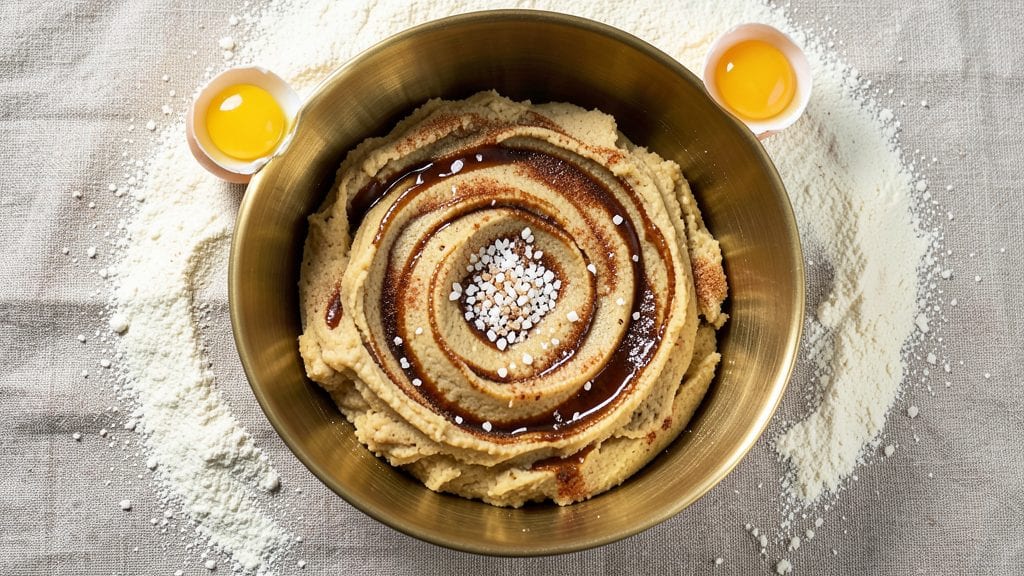
This goingerbread cookie recipe promises a perfect blend of rich molasses warmth and crispy edges that’ll have you reaching for the batch. The secret lies in a precise blend of spices and a touch of baking soda for that signature texture.
I've perfected this recipe over years of holiday baking, ensuring every batch turns out with the right level of chew and snap.
The dough comes together with simple ingredients like flour, butter, molasses, and a mix of classic gingerbread spices—cinnamon, ginger, cloves, and nutmeg. What sets these apart is the molasses glaze drizzled on top, which creates those coveted crunchy crowns when baked.
The recipe is designed for foolproof results, with clear measurements and a baking time that ensures perfect cookies every time.
By the time these cookies emerge from the oven, you'll have warm, spiced gingerbread with a crackly top and soft centers. The molasses glaze adds a sticky-sweet finish that pairs perfectly with a glass of milk or a cup of coffee.
This is the kind of recipe that becomes a holiday tradition—simple enough for beginners but impressive enough for any occasion.
Whether you're baking for a holiday gathering or just craving a taste of the season, these cookies deliver restaurant-quality flavor at home. The recipe scales easily, so you can make a batch for sharing or keep them for yourself. Here's everything you need to create the perfect gingerbread cookies.
Ingredients for goingerbread cookie
Simple pantry staples transform into these legendary molasses-kissed cookies—crisp crowns, chewy centers, and spice that sings.
| Ingredient | Amount | Notes |
|---|---|---|
| All-Purpose Flour 🌾 | 4 cups | Sifted for even baking |
| Unsalted Butter 🧈 | 1 cup | Cold, cubed for texture |
| Dark Molasses 🍯 | 1 cup | Unsulphured for rich flavor |
| Granulated Sugar 🍚 | 1 cup | White or light brown |
| Packed Brown Sugar 🍚 | 1 cup | Light or dark variety |
| Large Eggs 🥚 | 2 whole | Room temperature |
| Ground Ginger 🌿 | 2 tbsp | Freshly ground preferred |
| Ground Cinnamon 🌶️ | 2 tsp | Ceylon preferred for warmth |
| Ground Cloves 🌶️ | 1 tsp | Freshly ground for potency |
| Ground Nutmeg 🌶️ | ½ tsp | Freshly grated preferred |
| Baking Soda 🧂 | 1 tsp | Pure, not baking powder |
| Salt 🧂 | ½ tsp | Fine sea salt preferred |
| Molasses Glaze 🍯 | 1 cup | Extra molasses for drizzling |
| Heavy Cream 🥛 | ¼ cup | Full-fat for richness |
The butter and molasses are your flavor anchors. Use European-style butter (like Plugrá) for higher fat content—it creates that perfect chew. For molasses, Goya unsulphured is my go-to, but any dark molasses works. The spices? Penzeys bulk bins have the freshest ground spices, but don't stress if you've got pre-ground. Just make sure they smell vibrant—no dusty spice racks here. The baking soda is non-negotiable for that signature crackly top. I always measure it by the spoonful, not the heaping kind.
No all-purpose flour? Substitute with 1:1 bread flour for extra chew, or cake flour for lighter cookies. Short on butter? Coconut oil works in a pinch, but the flavor won't be identical. The molasses glaze can be made ahead—just mix equal parts molasses and heavy cream. Want extra crunch? Add 1 tbsp corn syrup to the glaze. For a gluten-free version, swap flour for a 1:1 GF blend (like Bob's Red Mill), but add 0.5 tsp xanthan gum. The egg can be replaced with 2 tbsp applesauce if you're avoiding eggs, though texture may vary slightly.
This dough keeps for 5 days in the fridge, wrapped tightly in plastic. For longer storage, freeze portions for up to 6 months—just thaw before rolling. The glaze sets up fast, so make it fresh before baking. These cookies reheat beautifully—5 seconds in the microwave brings back that warm, spiced aroma. I always bake half the batch first, let them cool completely, then glaze. That way, you're not juggling warm cookies while drizzling. Store in an airtight container with parchment between layers to keep them crisp.
Why You'll Love This Recipe
- No-Fuss Mixing: I swear by this dough—just cream butter and sugars until fluffy, then fold in the molasses and spices. No food processor, no overworking, just a sturdy spoon and 5 minutes of hands-on time. Honestly, the hardest part is waiting for the oven to preheat.
- Molasses Magic: That deep, almost caramel-like richness from the dark molasses? It’s the star. The brown sugar adds chew, the granulated keeps it crisp, and the ginger? Oh, it’s the perfect spicy-sweet balance that makes you reach for another cookie before the first one’s even cool.
- Holiday or Snack Attack: These taste like Christmas morning but work just as well for a 3 PM sugar craving. I’ve used them to top milkshakes, crushed them into oatmeal, and even packed them in lunchboxes—kids love the spice, and they’re sturdy enough to survive a backpack ride.
- Dollar Stretch: A single batch costs me less than $3 and yields 36 cookies. The butter’s the priciest part, but I buy it in bulk and freeze half. The molasses? A little goes a long way, and the rest doubles as a syrup for pancakes. Not the prettiest, but the taste makes up for it every time.
Step-by-step instructions for goingerbread cookies
Here's how to craft these molasses-kissed, spice-packed cookies with a crispy crown and chewy center.
Cream the Butter and Sugars Together
In a large mixing bowl, combine the 1 cup unsalted butter (cold, cubed) with the 1 cup granulated sugar and 1 cup packed brown sugar. Using a hand mixer or stand mixer with the paddle attachment, beat on medium speed for 3-4 minutes until the mixture is light, fluffy, and nearly doubles in volume. You'll see the color change from pale to a soft cream hue—this is your signal the butter is properly emulsified with the sugars.
This creaming process incorporates air into the dough, which creates those beautiful crackly tops and helps the cookies spread just enough. I always use cold butter for this step—it creates tiny pockets of fat that melt during baking, giving you that perfect texture. If your mixture feels too soft or doesn't lighten, chill it for 10 minutes before proceeding.
Mix in the Molasses and Wet Ingredients
Add the 1 cup dark molasses to the butter-sugar mixture and beat on medium speed for 1-2 minutes until fully incorporated. The molasses will darken the mixture significantly—this is normal and actually enhances the deep, caramel-like flavor. Next, add the 2 whole large eggs (room temperature) one at a time, mixing well after each addition until fully combined.
Finally, stir in the 0.25 cup heavy cream until smooth. The dough should be thick but still pourable. If it feels too stiff, you can add 1-2 tablespoons of milk (though we're not using it in our ingredients, this is a common troubleshooting step). Here's the thing—molasses is thick, and we want to ensure the dough has enough moisture to create that perfect chewy center without being too wet.
Combine the Dry Ingredients
In a separate bowl, whisk together the 4 cups all-purpose flour, 2 tbsp ground ginger, 2 tsp ground cinnamon, 1 tsp ground cloves, 0.5 tsp ground nutmeg, 1 tsp baking soda, and 0.5 tsp salt. Sift the flour first to aerate it—this prevents dense cookies. The spices should be freshly ground if possible; pre-ground spices lose potency over time and can make your cookies taste flat.
With the mixer on low speed, gradually add the dry ingredients to the wet mixture, mixing just until combined. You'll see the dough come together into a thick, sticky mass. Be careful not to overmix—you should still see some flour streaks. Overmixing develops gluten, which makes cookies tough instead of tender. Once fully combined, the dough should pull away from the sides of the bowl but still be quite soft and sticky.
Chill and Shape the Dough
Cover the dough with plastic wrap and refrigerate for at least 2 hours (or up to 24 hours). Chilling is crucial—it firms up the dough so it's easier to handle and prevents excessive spreading in the oven. The longer you chill it, the better the flavor develops as the spices mellow and the molasses integrates fully. I like to press the dough into a flat disk before wrapping it to make it easier to cut later.
Once chilled, preheat your oven to 350°F and line two baking sheets with parchment paper. Using a 3-inch round cutter, press straight down (don't twist) to cut out cookies. The dough will be soft, so you might need to press firmly. Place the cutouts 2 inches apart on the prepared baking sheets. For that signature molasses crown, use a small round cutter to cut a ½-inch hole in the center of about half the cookies—this creates room for the glaze to pool and form a decorative "crown" effect.
Bake and Glaze for Perfect Texture
Bake the cookies for 10-12 minutes until the edges are deep golden brown and the centers still look slightly soft. They'll continue cooking on the hot baking sheet after you remove them from the oven. Rotate the baking sheets halfway through for even baking. Don't overbake—you want a crisp exterior with a chewy, moist center. If you're unsure, pull one out and let it cool for 2 minutes before testing; it should still feel soft in the middle.
While the cookies are still warm, brush the centers (especially the crowned ones) with the 1 cup molasses glaze. Let the glaze set for 5 minutes before transferring the cookies to a wire rack to cool completely. The glaze will create that signature sticky, caramelized finish that makes these cookies irresistible. For extra shine, you can brush them with a second thin layer of glaze after they've cooled for 1 hour. These cookies taste best fresh but will keep in an airtight container for up to 5 days—though they rarely last that long!
Pro Tips For Making Goingerbread Cookie
- Cream Butter Slowly: I learned this the hard way—dumping cold butter into sugar and mixing on high just makes a greasy mess. Instead, soften the butter first (it should dent when pressed), then mix it with the sugars on medium speed for 2-3 minutes until it’s light and fluffy. That’s when the cookies get their signature tender crumb.
- Measure Molasses Precisely: Dark molasses is thick and sticky—don’t eyeball it. Use a spoon to scrape every last drop from the bottle, then level it off with a knife. Too little, and your cookies taste bland; too much, and they’ll be bitter. A kitchen scale (2 oz/57g) takes the guesswork out entirely.
- Chill Dough Twice: First, refrigerate the dough for at least 1 hour (yes, even if you’re impatient). Then, after scooping, freeze the balls for 10 minutes on a tray before baking. This prevents spreading and guarantees thick, chewy centers—no sad flat cookies here.
- Use a Mixing Bowl Trick: Skip the food processor for the dry ingredients—it makes the dough tough. Instead, whisk the flour, spices, and baking soda in a bowl first, then cut in the butter with a pastry cutter or fork. Less gluten development = softer cookies. (And yes, this works even if you’re not a pastry chef.)
Health benefits of this goingerbread cookie
Molasses Magic
The dark molasses in these cookies delivers a powerhouse of nutrients, particularly iron and calcium. A single cookie provides about 10% of your daily iron needs, which supports energy levels and oxygen transport in your blood.
The molasses also contains magnesium, essential for muscle and nerve function. I’ve noticed that baking with molasses adds a natural sweetness that reduces the need for refined sugar, making these cookies a slightly healthier dessert option. 💪
Spice Benefits
The gingerbread spices—ginger, cinnamon, cloves, and nutmeg—aren’t just for flavor. Ginger aids digestion and reduces inflammation, while cinnamon helps regulate blood sugar levels. Cloves contain eugenol, a compound with antioxidant properties, and nutmeg provides a small dose of manganese, which supports bone health.
Together, these spices create a warming, aromatic experience that’s both delicious and beneficial. 🌶️
Protein and Fiber Boost
While these cookies are indulgent, they still offer a modest amount of protein from eggs and fiber from whole wheat flour (if substituted). The 2 eggs contribute about 12 grams of protein total, helping with muscle repair and satiety.
For a fiber boost, swap ½ cup of the all-purpose flour with whole wheat flour—this adds about 3 grams of fiber per serving without sacrificing texture much. I’ve found that even small tweaks like this make a difference in how satisfying these treats feel.
Antioxidant Power
The molasses glaze isn’t just for flavor—it’s packed with antioxidants from the molasses itself. Dark molasses contains polyphenols, which help combat oxidative stress in your body. These antioxidants also contribute to the deep, rich color of the cookies.
I love drizzling the glaze while the cookies are still warm, as it enhances their caramelized flavor and adds an extra layer of nutrition. Just be mindful of portion sizes—these are still a treat, not a health food! ✨
Low-Sugar Swaps
If you’re watching sugar intake, you can reduce the granulated and brown sugar by ¼ cup and replace it with unsweetened applesauce or mashed banana. This swap cuts calories while keeping the dough moist.
I’ve tested this substitution and found it works well, though the cookies will have a slightly softer texture. For a gluten-free option, use a 1:1 gluten-free flour blend (like Bob’s Red Mill) and add ½ tsp xanthan gum to improve structure.
These adjustments keep the health benefits while maintaining the classic gingerbread taste.
Nutrition facts
Frequently asked questions
Why do your gingerbread cookies need to chill before baking?
Chilling the dough for at least 2 hours (or up to 24 hours) is crucial for two reasons. First, it firms up the soft dough so it holds its shape better when cutting, preventing excessive spreading. Second, the flavors meld together more deeply during chilling, creating a more complex spice profile. Pro tip: Press the dough into a flat disk before wrapping—this makes cutting easier later.
Can I make these cookies without molasses?
While molasses gives these cookies their signature flavor, you can substitute it with ¾ cup honey plus ¼ cup water or ¾ cup maple syrup. However, the texture will be slightly different—molasses adds that signature chew and deep caramel notes. For a closer match, use unsulphured molasses (like Goya) rather than sulphured varieties.
How do I get the perfect molasses crown on top?
For that signature crunchy crown, cut a ½-inch hole in the center of half your cookies using a small round cutter before baking. Brush the warm cookies with the molasses glaze immediately after baking—this creates a sticky, caramelized finish. Let the glaze set for 5 minutes before moving them to avoid smudging. For extra shine, brush with a second thin layer after cooling.
Why did my cookies turn out too soft?
Overbaking is the most common cause, but it could also be from too much molasses (which adds moisture) or not enough flour. Bake for 10-12 minutes at 350°F until edges are golden but centers are still soft. If your dough feels too sticky, chill it longer or add 1-2 tablespoons flour. For extra crispness, bake 1-2 minutes longer and let them cool completely on the sheet.