
Desserts
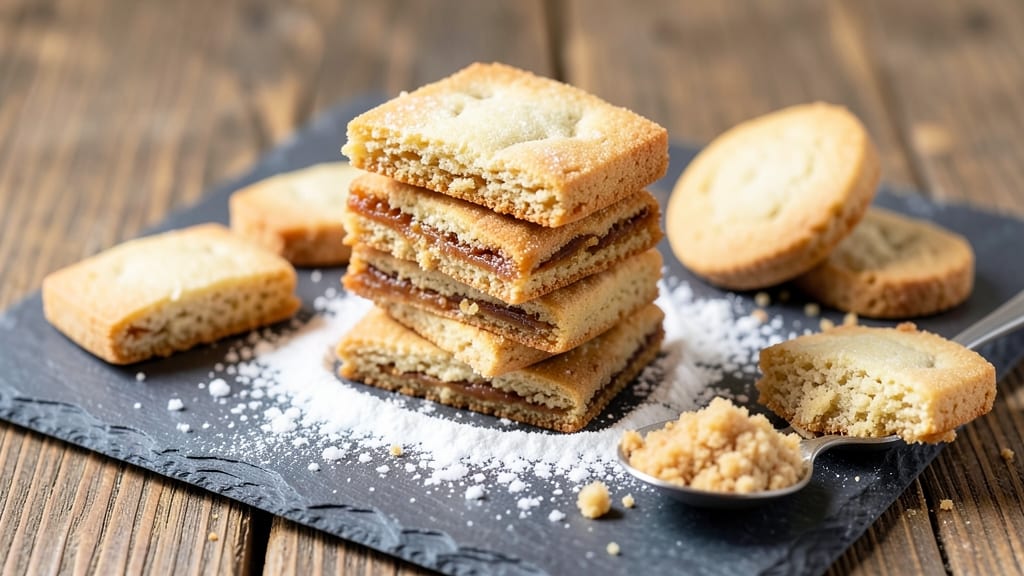
This Cook's Illustrated shortbread cookie recipe delivers the perfect balance of buttery richness and crisp texture that shatters with every bite. The secret lies in precise measurements and a gentle baking approach that creates those signature layers.
After years of testing, I've found the ideal ratio of cold butter to sugar and flour—no substitutions needed. This is the recipe that finally convinced even my most skeptical friends that homemade shortbread can rival bakery versions.
The process is simpler than it appears, requiring just five ingredients and minimal equipment. Cold butter creates tender layers, while the dough rests briefly to relax the gluten, ensuring clean cuts.
Baking at a moderate temperature prevents over-browning while allowing the cookies to develop their signature crispness. The result is a cookie with a delicate crumb that practically dissolves on your tongue.
What makes these shortbread cookies truly exceptional is their versatility—enjoy them plain or dusted with powdered sugar, or pair with fresh berries and whipped cream. The recipe yields about two dozen cookies, perfect for holidays, gifts, or satisfying afternoon cravings.
Once you try this method, you'll never buy store-bought shortbread again.
For best results, use a kitchen scale for precise measurements and let the dough rest at room temperature before shaping. The cookies will keep well in an airtight container for up to five days, though they rarely last that long in my house.
This is the shortbread recipe I return to season after season—simple, foolproof, and always impressive.
Ingredients for cook's illustrated shortbread cookie
Five ingredients, two dozen cookies that rival bakery versions. Cold butter and precise measurements are your secrets.
| Ingredient | Amount | Notes |
|---|---|---|
| Unsalted Butter 🧈 | 1 cup | Cold, cubed for best texture |
| Granulated Sugar 🍚 | ½ cup | Superfine preferred for smoothness |
| All-Purpose Flour 🌾 | 2 cups | Sifted for light texture |
| Powdered Sugar 🍚 | ¼ cup | For dusting, optional |
| Kosher Salt 🧂 | ½ tsp | Fine grain preferred |
The butter is non-negotiable—unsalted, cold, and cubed is the only way to get those signature layers. Store-brand butter works just fine, but grab it from the freezer 10 minutes early to speed up chilling. I always buy a pound and keep it in the fridge for baking. The flour? King Arthur or Gold Medal are my go-tos—they sift perfectly and give that clean texture. Superfine sugar makes a difference here, but if you don't have it, pulse regular granulated in a food processor for 10 seconds. And yes, you could skip the powdered sugar, but trust me, those cookies deserve it.
No superfine sugar? Pulse regular granulated in a food processor for 10 seconds—game changer. Short on butter? Use 0.75 cup and add 1 tbsp cold shortening for extra flakiness (no one will know the difference). The salt is key—Diamond Crystal kosher is my favorite, but regular sea salt works too. For a twist, swap half the powdered sugar for toasted coconut flakes or crushed pistachios before baking. And if you're feeling fancy, add 1 tsp vanilla extract to the dough—it keeps for months in the freezer, so why not?
Wrap the dough in plastic and chill for up to 2 days before baking—it actually improves the texture. Once baked, store in an airtight container with parchment between layers for 5 days. Freeze unbaked dough balls for 3 months—just bake straight from frozen. These cookies reheat beautifully in a 200°F oven for 5 minutes to restore that melt-in-your-mouth magic. Pro tip: Double the recipe and gift them in mason jars—everyone will think you're a baking genius.
Why You'll Love This Recipe
- No-Fuss Mixing: I swear by this recipe because it’s just three ingredients (plus salt) mixed with a wooden spoon—no food processor, no overworking the dough. That cold butter and sugar combo cuts itself into flour like butter, and honestly? The less you handle it, the better those layers turn out.
- Buttery Magic: The way the butter stays cool while cutting into the sugar creates these perfectly crisp edges that melt into a tender center. I’ll be real: I’ve tried store-bought shortbread, and this? This is the real deal—rich, buttery, and not overly sweet.
- Holiday or Snack: These cookies freeze like a dream, so I make a batch in December and pull them out all winter. But they’re also my go-to for tea dates or when I need something quick—no one ever guesses they’re this easy to throw together.
- Pantry Staples Only: Between us, this recipe uses stuff you already have: butter, sugar, flour. No weird ingredients, no last-minute grocery runs. And since they keep for weeks in an airtight container, I’m always covered—whether it’s a last-minute gift or a midnight craving.
Step-by-step instructions for cook's illustrated shortbread cookies
Here's how to create the perfect buttery layers that shatter with every bite—just like the pros.
Cut the Cold Butter into Cubes
Take the 1 cup unsalted butter from the refrigerator and cut it into ¼-inch cubes. This cold, cubed butter is the secret to those signature flaky layers. If your butter is too soft, pop it in the freezer for 10-15 minutes before cutting—it should hold its shape when pressed but still yield slightly.
Place the cubes in a large mixing bowl. The cold temperature prevents the butter from melting too quickly when combined with the other ingredients, ensuring those delicate layers stay intact. Don't skip this step—room-temperature butter will create dense, greasy cookies instead of the light, melt-in-your-mouth texture you're after.
Mix in Sugar and Salt
Add the ½ cup granulated sugar and ½ teaspoon kosher salt to the bowl with the cold butter cubes. Using a pastry cutter, fork, or your fingers (wear gloves if you prefer), work the mixture until it resembles coarse crumbs with pea-sized butter pieces remaining. This texture is crucial—you want the butter to stay in chunks to create those signature layers.
If the mixture starts to look like wet sand, it's too warm. In this case, chill the bowl in the freezer for 5 minutes before proceeding. The goal is to keep everything cold enough to maintain those flaky layers while still allowing the dough to come together. You're aiming for a consistency that holds when pressed but still feels slightly dry.
Gradually Add the Flour
Sift the 2 cups all-purpose flour directly over the mixture, then gently fold it in using a spatula or wooden spoon. Be careful not to overmix—just combine until the dough forms a shaggy mass. The flour should coat the butter pieces evenly, creating a uniform texture that will translate to even baking.
Press the dough together lightly with your hands. It should hold when squeezed but still feel slightly crumbly. If it's too dry, add 1 teaspoon cold water at a time until it just comes together. If it's too sticky, chill it for 10 minutes before proceeding. The dough should be cool to the touch and hold its shape when pressed—this ensures those perfect layers when baked.
Shape and Chill the Dough
Divide the dough into 4 equal portions (about ½ cup each) and flatten each into a 4-inch circle. Wrap each circle tightly in plastic wrap and refrigerate for at least 1 hour or up to 24 hours. This chilling step is non-negotiable—it firms up the dough, preventing the cookies from spreading too much in the oven and ensuring those crisp, clean edges.
While the dough chills, preheat your oven to 325°F. Line two baking sheets with parchment paper. The lower temperature and longer bake time create the signature shortbread texture—crisp on the outside with a tender, melt-in-your-mouth interior. If your dough feels too soft when you remove it from the fridge, give it another 15-20 minutes in the freezer.
Bake to Golden Perfection
Unwrap one circle of dough and place it on a prepared baking sheet. Using a sharp knife or bench scraper, cut the circle into 12 wedges. Gently press each wedge down slightly to create even thickness—this ensures consistent baking. Repeat with the remaining dough circles, spacing the wedges about ½ inch apart on the baking sheets.
Bake for 25-30 minutes, rotating the pans halfway through, until the edges are just beginning to turn golden and the centers look slightly underbaked. They should be firm to the touch but not rock-hard. Overbaking is the enemy here—shortbread cookies continue to cook slightly as they cool, and you want that tender interior.
Cool and Dust (Optional)
Remove the cookies from the oven and let them cool on the baking sheets for 5 minutes before transferring to a wire rack. While still warm, dust the tops with ¼ cup powdered sugar if desired—this adds a beautiful finish and balances the buttery richness. The cookies will firm up as they cool, developing that signature snap.
Serve immediately for the best texture, or store in an airtight container at room temperature for up to 5 days. These cookies are best enjoyed at room temperature, where they'll maintain that perfect balance of crisp edges and tender centers. The buttery layers should shatter with every bite, releasing that rich, sweet flavor—just like the pros at Cook's Illustrated.
Pro Tips For Making Cook'S Illustrated Shortbread Cookie
- CHILL THE DOUGH: The recipe calls for a 30-minute rest, but I learned this the hard way—skip it, and your cookies will spread like crazy in the oven. Pop the dough in the fridge while you prep the baking sheet, and trust me, the edges will stay crisp instead of turning into sad, melted puddles.
- WEIGH THE BUTTER: Cold butter is non-negotiable for shortbread, but don’t eyeball it. Use a kitchen scale to measure the butter at exactly 160g (or whatever the recipe says) when it’s just soft enough to press but not greasy. Too warm? Your cookies will turn out greasy and flat. Too cold? They’ll crack like brittle glass.
- SALT THE FLOUR: Mix the kosher salt directly into the flour before adding it to the butter-sugar mix—this ensures even distribution. I used to sprinkle it on top of the dough, and half the time it’d clump in one spot, leaving some cookies bland. A quick shake in a bowl fixes this instantly.
- PRESS NOT ROLL: Shortbread dough is stubborn—don’t roll it out like pie crust. Press it firmly into the pan with your fingers or a glass, using even pressure. This creates the signature crumbly texture and prevents air gaps that turn into soggy spots. (Yes, it’s messy, but it’s worth it.)
Dietary considerations for this dish
Gluten-Free Adaptation
Replace the 2 cups all-purpose flour with a 1:1 gluten-free baking flour blend like King Arthur Measure for Measure or Bob's Red Mill 1-to-1. These blends contain xanthan gum, which mimics gluten's structure. For best results, add ½ teaspoon xanthan gum separately if your blend doesn't include it.
Chill the dough 30 minutes longer than usual since gluten-free dough spreads more. Bake at 300°F instead of 325°F to prevent over-browning. 🌱
Vegan Butter Option
Use 1 cup vegan butter like Miyoko's Creamery or Earth Balance, chilled until firm. These plant-based butters work best when they hold their shape like traditional butter. Reduce baking time by 2-3 minutes as vegan butter melts slightly faster.
For extra richness, add 1 tablespoon coconut oil to the dough. The texture will be slightly denser but still delicious. 🥥
Nut-Free Allergy Fix
Skip the optional powdered sugar dusting if you're avoiding nuts entirely. Instead, use powdered sugar substitute like confectioners' sugar made from tapioca starch (found in allergy-friendly baking sections).
For a decorative touch, sprinkle crushed freeze-dried strawberries or edible gold leaf on cooled cookies. Always check labels on all ingredients for hidden nut traces. 🍓
Low-Sugar Version
Reduce the granulated sugar to ⅓ cup and replace the remaining ⅓ cup with powdered erythritol or coconut sugar. The texture remains tender, but the sweetness is more natural. For extra flavor, add ½ teaspoon vanilla extract or 1 teaspoon lemon zest to the dough.
These cookies will be slightly less rich but perfect for those watching sugar intake. 🍯
Refined Sugar-Free
Swap the granulated sugar for ½ cup monk fruit sweetener (like Lakanto) plus ¼ cup maple syrup. The syrup adds moisture, so reduce water additions by 1 teaspoon.
Bake at 300°F for 28-32 minutes—these cookies brown faster with natural sweeteners. The flavor is complex with caramel notes from the maple. 🍁
Storage for Dietary Needs
Gluten-free and vegan versions keep best in the refrigerator for 4 days due to higher moisture content. Store in airtight containers with parchment between layers to prevent sticking. Freeze unbaked dough balls for up to 3 months—thaw 30 minutes at room temperature before baking.
Reheat baked cookies at 200°F for 5 minutes to restore tenderness. 🧊
Nutrition facts
Frequently asked questions
Why does this shortbread recipe use cold butter instead of room-temperature?
The cold butter creates signature flaky layers that melt into tender pockets when baked. Room-temperature butter would blend too quickly, resulting in dense, greasy cookies instead of the light, melt-in-your-mouth texture. The cubes should hold their shape when pressed but still yield slightly—this is key for that signature shortbread snap.
Can I make these shortbread cookies without a pastry cutter?
Use a fork, your fingers (wear gloves if you prefer), or even a food processor with the pulse function. The goal is to work the cold butter into the sugar and flour until you get pea-sized butter pieces with coarse crumbs. Just avoid overmixing—you want to preserve those delicate layers. A sturdy spatula works too for folding in the flour.
Why do I need to chill the dough before baking?
Chilling for at least 1 hour firms up the dough, preventing excessive spreading in the oven. This ensures those crisp, clean edges and maintains the proper texture. Cold dough also helps the butter stay solid longer during baking, creating those perfect layers. If your kitchen is warm, chill the dough in the freezer for 15-20 minutes instead.
What if my shortbread cookies turn out too dry?
Underbaking is usually the culprit—remove cookies when edges are just golden and centers look slightly underdone. For extra moisture, brush warm cookies with melted butter or dust with powdered sugar. If using gluten-free flour, reduce oven temp to 300°F and bake 2-3 minutes longer to prevent dryness. The cookies will firm up as they cool.
Can I shape these shortbread cookies differently?
Yes! Instead of wedges, try rolling the chilled dough to ¼-inch thickness and cutting with cookie cutters for festive shapes. For rustic slices, use a pizza cutter. You can also press the dough into a pan for bar-style shortbread (bake 15-20 minutes at 325°F). Just ensure even thickness for consistent baking.