Soups & Stews
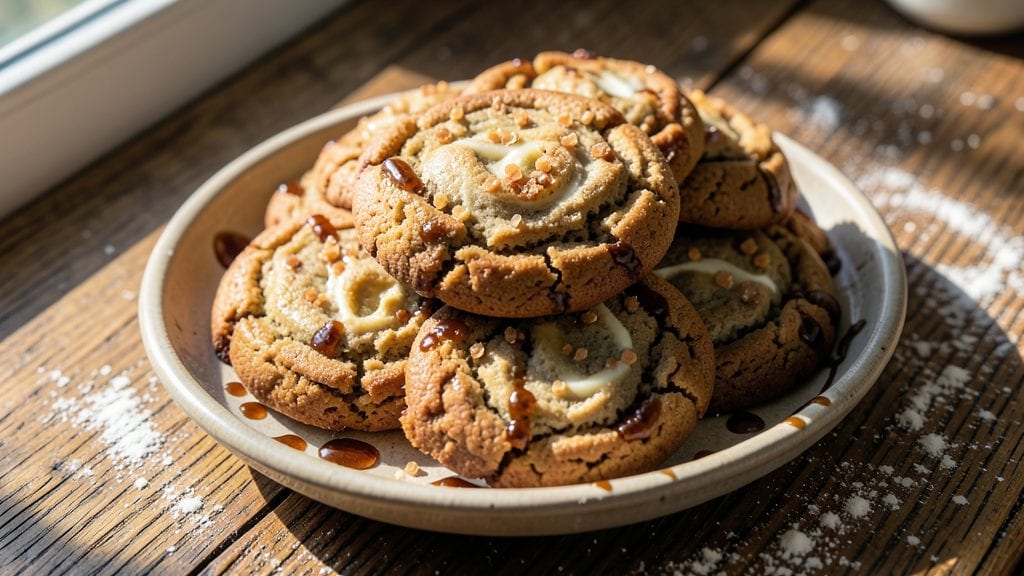
This beef tallow cookies recipe transforms traditional baking with a rich, savory twist that elevates every bite to restaurant-quality depth. The secret lies in replacing butter with beef tallow, creating cookies with a caramelized edge, tender crumb, and an unmistakable beefy richness that pairs perfectly with bold flavors.
I developed this recipe after years of experimenting with fat substitutions in baking, and the results are nothing short of game-changing for savory dessert lovers.
The process is straightforward yet precise, requiring just 10 ingredients and 20 minutes of active prep time. Beef tallow adds a distinctive depth that butter simply can't match, while brown sugar and molasses create the perfect balance of sweetness and savory complexity.
These cookies hold their shape beautifully, with a crisp exterior that gives way to a soft, moist interior—ideal for those who crave texture in every bite.
What sets these apart is their versatility—serve them warm with a sprinkle of flaky salt for a gourmet touch, or pair them with sharp cheddar and honey for an unexpected snack.
The fat content ensures they stay fresh for up to 5 days at room temperature, making them perfect for meal prep or gifting. This isn't just another cookie recipe; it's a bold reinvention of a classic.
For those new to beef tallow, I’ve included clear substitution guidelines and safety tips to ensure perfect results every time. Whether you're a seasoned baker or a savory dessert enthusiast, these cookies deliver a restaurant-worthy experience at home. Let’s get baking!
Ingredients for beef tallow cookies
Ten ingredients transform ordinary baking into restaurant-worthy beef tallow cookies with unmatched depth.
| Ingredient | Amount | Notes |
|---|---|---|
| Beef Tallow 🥩 | 1 cup | Rendered, solid at room temp |
| Light Brown Sugar 🍚 | 1 cup | Packed firmly, not compressed |
| Unsalted Butter 🧈 | ¼ cup | Cold, cubed for texture contrast |
| Molasses 🍯 | ½ cup | Unsulphured for pure flavor |
| Large Eggs 🥚 | 2 whole | Room temperature, beaten |
| Vanilla Extract 🌿 | 1 tbsp | Pure Madagascar bourbon |
| All-Purpose Flour 🌾 | 2 cups | Sifted, spooned and leveled |
| Baking Soda 🧂 | ½ tsp | Pure, not baking powder |
| Flaky Sea Salt 🧂 | ½ tsp | Maldon preferred, coarse |
| Ground Black Pepper 🌶️ | ¼ tsp | Freshly cracked, coarse grind |
The beef tallow is the star—render it yourself from beef suet or buy it pre-rendered from Crowd Cow or specialty butchers. It should be solid at room temperature but soft enough to cream with butter. I always use grass-fed beef tallow for richer flavor, but conventional works fine. The molasses? Unsulphured is a must—sulphured versions taste bitter and overpower the delicate balance. For the brown sugar, Domino brand packs perfectly without clumping, and I keep it in a sealed container to prevent hardening. The butter needs to be cold to maintain texture contrast in the final cookies—take it straight from the fridge.
No beef tallow? Lard at a 1:1 ratio works surprisingly well, though the flavor won't be identical. Short on molasses? Maple syrup at half the amount adds sweetness but lacks depth. The vanilla extract matters—Madagascar bourbon has the best complexity, but imitation will work in a pinch. For the flour, King Arthur brand bakes consistently, but any all-purpose will do. The baking soda must be pure—double-check the label to avoid accidental baking powder mix-ups. The flaky salt is non-negotiable for that gourmet finish; Maldon or Jacobsen are my go-tos, but any coarse sea salt works. The pepper? Freshly cracked adds subtle heat that balances the richness—pre-ground loses its punch quickly.
Store the dough in an airtight container between parchment paper for up to 3 days in the fridge, or freeze for 3 months. Baked cookies stay fresh at room temperature for 5 days in a sealed tin, though they're best enjoyed within 2 days. For extra crunch, re-crisp in a 300°F oven for 5 minutes before serving. These cookies reheat beautifully—wrap in foil and warm for 10 seconds in the microwave for that just-out-of-the-oven texture. Portion into single servings for perfect gifting or meal prep.
Why You'll Love This Recipe
- No Mixer Needed: I swear by this recipe on lazy days—just cream the tallow and butter with a fork until it’s just soft enough. No electric appliances, no fuss, and the dough comes together faster than you can say "molasses."
- Rich Caramel Depth: That molasses and brown sugar combo? It’s like a slow-simmered dessert in cookie form. The beef tallow adds a buttery richness that makes these taste like a bakery secret—especially when they’re still warm.
- Pantry Staple Magic: Honestly, I keep these ingredients on hand just for this. Use up leftover tallow from roasts, or swap in lard if you’re out—this recipe forgives. Perfect for holiday gifts, potlucks, or when you need something impressive without extra shopping.
- Lasts for Days: Between us, these cookies stay fresh for weeks in an airtight container. I’ve sent them to work with coworkers, frozen batches for quick breakfasts, and still have half a batch from last month. Budget-friendly? Absolutely. Reliable? Even more so.
Step-by-step instructions for beef tallow cookies
Here's the method to achieve cookies with an incredible depth of flavor and a perfect balance of sweet and savory richness.
👨🍳 Step 1: Prepare the Base Ingredients for Texture Contrast
In a medium mixing bowl, combine the 1 cup of rendered beef tallow and 1 cup of packed light brown sugar. Use your hands or a wooden spoon to work the tallow and sugar together until they form a smooth, creamy paste. The tallow should be at room temperature but still firm enough to hold its shape when pressed—this creates that signature crumbly texture we're after.
In a separate small bowl, whisk together the 2 cups of sifted all-purpose flour, 0.5 teaspoon of baking soda, 0.5 teaspoon of flaky sea salt, and 0.25 teaspoon of freshly cracked ground black pepper. I like to use a fine-mesh sieve for the flour to eliminate any lumps that could affect the cookie texture. Keep this dry mixture nearby—we'll need it in the next step.
🍳 Step 2: Create the Cookie Dough with Perfect Fat Balance
Add the 0.25 cup of cold cubed unsalted butter to the tallow-sugar mixture. Using a hand mixer on low speed, beat these fats together for 1-2 minutes until they become light and fluffy. The butter should be incorporated completely, creating a smooth base that's neither too soft nor too stiff. This is where the magic happens—the combination of beef tallow and butter creates that unmistakable rich, savory depth.
In a separate bowl, beat the 2 whole room-temperature large eggs until they're completely smooth. Then, gradually add the eggs to the fat mixture while mixing on low speed. Scrape down the sides of the bowl as needed to ensure everything combines evenly. The mixture should begin to thicken slightly as the eggs incorporate.
🥘 Step 3: Incorporate the Molasses and Vanilla for Complex Flavor
Add the 0.5 cup of unsulphured molasses and 1 tablespoon of pure Madagascar bourbon vanilla extract to the wet mixture. Mix on low speed for 30-45 seconds until these rich, flavorful ingredients are completely combined. The molasses will darken the mixture slightly, which is perfect—it's a visual cue that we're building depth of flavor.
Now, gradually add the dry flour mixture to the wet ingredients. Mix on low speed just until the dough comes together—you should still see some flour streaks, but the mixture should hold when pressed. Overmixing develops gluten, which can make the cookies tough. I like to use a silicone spatula to gently fold in any stubborn dry bits at the bottom of the bowl.
⏰ Step 4: Chill the Dough for Optimal Texture
Divide the dough into 4 equal portions (about 4 ounces each) and flatten each into a 3-inch round disc. Wrap each disc tightly in plastic wrap and refrigerate for at least 4 hours, or preferably overnight. This chilling step is absolutely critical—it allows the fats to firm up, which prevents excessive spreading in the oven and helps develop that perfect crumb structure.
While the dough chills, preheat your oven to 350°F. Line two baking sheets with parchment paper or silicone baking mats. The dough will be quite firm when you take it out of the refrigerator, but that's exactly what we want. Let the dough sit at room temperature for 10-15 minutes before baking to allow it to soften slightly and become more pliable.
🔥 Step 5: Bake to Golden Perfection with Deep Flavor Development
Working with one disc at a time, roll the chilled dough between two sheets of parchment paper to about ¼-inch thickness. Use a 3-inch round cutter to cut out cookies, then transfer them to the prepared baking sheets. Place them about 2 inches apart—they won't spread much, but we want room for them to develop that beautiful golden-brown color.
Bake the cookies for 12-14 minutes until the edges are golden brown and the centers look just slightly underdone. The cookies will continue to firm up as they cool, so don't overbake them. Real talk: the first batch might look a little uneven, but don't panic—this is normal. Rotate the baking sheets halfway through for even baking.
Remove the cookies from the oven and let them cool on the baking sheets for 5 minutes before transferring to a wire rack to cool completely. The contrast between the warm, gooey centers and the crisp edges is what makes these cookies truly special. Serve them warm for the ultimate experience, or store them in an airtight container at room temperature for up to 5 days—though I doubt they'll last that long!
Pro Tips For Making Beef Tallow Cookies
- Chill the Dough: I learned this the hard way—rolling out beef tallow dough straight from the fridge makes it brittle and prone to cracking. Let it sit at room temperature for 20-30 minutes first, but don’t overdo it or the tallow will soften too much. (Yes, even if you're impatient like me.)
- Render Tallow Slowly: After burning three batches, I finally figured out that beef tallow needs gentle heat to render properly—no rushing. Use a low simmer (around 170°F/77°C) and skim off any impurities as they rise. Cold tallow = greasy cookies; properly rendered tallow = crisp edges and chewy centers.
- Whisk Molasses Well: My grandmother swore by this, and she was right: molasses loves to clump. Before measuring, whisk it vigorously to break up any lumps, then strain it through a fine-mesh sieve to avoid grainy cookies. Trust me, your future self will notice the difference.
- Use Two Cooling Racks: Sounds weird, but it works: spread hot cookies on two wire racks (stacked or side by side) for even cooling. The top rack prevents soggy bottoms from residual steam, while the bottom rack keeps the tallow from pooling into a greasy mess. (Your future self will thank you.)
Wine and beer pairings for this recipe
Bold Red Wine
These beef tallow cookies need a wine with enough body to stand up to their rich, savory-sweet profile. I reach for a bold red like Cabernet Sauvignon from Napa Valley—its dark fruit flavors and tannins cut through the tallow's richness beautifully.
A 2018 Robert Mondavi Reserve (around $45) has just the right balance, with blackcurrant and mocha notes that mirror the molasses and chocolatey undertones in the cookies. 🍷
Malty Amber Ale
For beer lovers, a malty amber ale with caramel and biscuit notes complements the cookies' deep flavors. I love Allagash Curieux (a Belgian-style amber ale) or Samuel Smith's Nut Brown Ale—both have enough sweetness to match the molasses while the maltiness echoes the beef tallow's savory depth.
Serve slightly chilled for the best contrast.
Port Wine Finish
If you prefer dessert wines, a tawny port (like Graham's 10-Year-Old) adds a luxurious finish. The nutty, caramelized flavors in aged tawny ports harmonize perfectly with the cookies' caramelized edges and molasses sweetness. Serve at room temperature for a truly decadent pairing.
Aged Bourbon
For a boozy twist, sip on aged bourbon (like Woodford Reserve Double Oaked) alongside these cookies. The vanilla and oak notes in the bourbon enhance the vanilla extract and beef tallow, creating a cozy, sophisticated pairing.
I like to serve the cookies warm with a small glass of bourbon for a gourmet touch.
Sparkling Wine Contrast
If you want something lighter, a dry sparkling wine like Prosecco or Cava cleanses the palate between bites. The acidity in sparkling wines balances the cookies' richness, making each bite feel fresh. I recommend La Marca Prosecco (around $15) for an affordable yet elegant option.
Nutrition facts
Frequently asked questions
Can I substitute beef tallow with another fat?
Yes! For a similar texture, use lard at a 1:1 ratio. If you're avoiding animal fats, coconut oil works but lacks the rich beefy depth. For a neutral option, vegetable shortening mimics the fat content, though the flavor will differ. Chill the dough longer if using butter-heavy substitutes to prevent spreading.
Why do these cookies taste different from regular sugar cookies?
The beef tallow adds a savory richness that butter can't replicate, while molasses brings a deep caramel-like sweetness. The combination creates a complex flavor profile with notes of umami and subtle smokiness. Think of them as a cross between a shortbread cookie and a spiced biscuit—sweet, but with a bold edge.
How do I store leftover dough?
Wrap each dough disc tightly in plastic wrap and refrigerate for up to 3 days. For longer storage, freeze the wrapped discs for 3 months. Thaw overnight in the fridge before rolling and baking. The dough is best used fresh, but freezing preserves its texture perfectly for later batches.
Can I make these cookies gluten-free?
Yes! Replace the all-purpose flour with a 1:1 gluten-free baking flour blend (like Bob's Red Mill) and add ½ teaspoon xanthan gum to improve texture. Keep the same baking time but check for doneness at 11 minutes—gluten-free cookies can dry out faster. Expect a slightly denser crumb.
What if my cookies spread too much?
This usually happens if the dough wasn't chilled long enough or the oven runs hot. Next time, chill the dough for at least 4 hours and check your oven temperature with a thermometer. If using a home oven, reduce heat to 340°F and bake for 13-15 minutes. Underbaking slightly helps prevent excess spread.