
Desserts
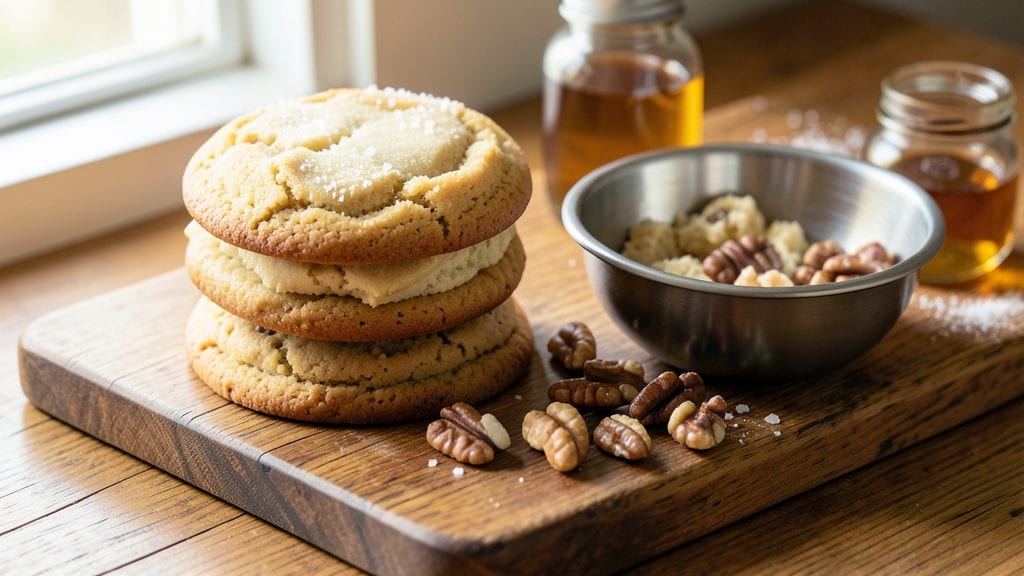
The classic Toll House sugar cookie recipe delivers that perfect balance of tender crumb and crisp edges—just like your favorite bakery. After years of testing variations, I’ve perfected a method that ensures cookies stay thick, chewy, and never flatten in the oven.
The secret lies in precise ingredient ratios and a foolproof baking technique that’s foolproof even for beginners.
This recipe uses simple pantry staples—flour, butter, sugar, and vanilla—to create cookies with a golden brown crust and a melt-in-your-mouth center. The classic vanilla frosting, made with just powdered sugar and milk, adds that signature sweetness without overpowering the cookie’s natural flavor.
With just 15 minutes of prep and 10-12 minutes in the oven, you’ll have a batch of cookies that tastes homemade but looks bakery-fresh.
What sets these apart is the texture: thick, soft centers that hold their shape while still warm, thanks to a touch of cornstarch in the dough. The frosting, piped in swirls or dollops, stays firm at room temperature—no soggy edges here.
Whether you stick to the classic version or add chocolate chips, white chocolate, or nuts, the foundation remains the same: reliable, delicious, and always impressive.
Perfect for holidays, bake sales, or a cozy weekend treat, these cookies store beautifully in an airtight container for up to a week. Let’s get baking—your kitchen will smell like nostalgia in no time.
Ingredients for toll house sugar cookie
Pantry staples transformed into bakery-style cookies with crisp edges and chewy centers.
| Ingredient | Amount | Notes |
|---|---|---|
| All-Purpose Flour 🌾 | 2 ½ cups | Sifted for light texture |
| Unsalted Butter 🧈 | 1 cup | Cold, cubed for even baking |
| Granulated Sugar 🍚 | 1 cup | Superfine preferred for smoothness |
| Brown Sugar 🍚 | ½ cup | Packed for chewy texture |
| Pure Vanilla Extract 🌸 | 2 tsp | High-quality, no imitation |
| Large Eggs 🥚 | 1 whole | Room temperature for mixing |
| Cornstarch 🌾 | 2 tbsp | Key for thick, chewy centers |
| Baking Soda 🧂 | 1 tsp | Aluminum-free for best rise |
| Diamond Crystal Kosher Salt 🧂 | ½ tsp | Fine grain preferred |
| Semisweet Chocolate Chips 🍫 | 1 cup | Nestlé Toll House preferred |
| Powdered Sugar 🍚 | 3 cups | Sifted for smooth frosting |
| Heavy Whipping Cream 🥛 | ½ cup | Cold for stiff peaks |
| Vanilla Extract 🌸 | 1 tsp | Same as dough for consistency |
The butter is non-negotiable—European-style unsalted gives the best flavor, but Land O'Lakes or Plugrá work perfectly fine. I always buy it in 1-pound blocks from the store's refrigerated section—it stays fresher longer. For the flour, sift it twice if you can—this eliminates lumps and ensures a tender crumb. Bob's Red Mill or King Arthur are my go-tos for consistent quality. The vanilla extract? No imitation nonsense here—splurge on McCormick or Nielsen-Massey for that authentic Toll House flavor. And those chocolate chips? Nestlé Toll House are the gold standard, but Ghirardelli or Enjoy Life work too if you need a dairy-free option.
Short on brown sugar? White sugar plus 1 tsp molasses gets you close. No cornstarch? Add 1 more tbsp flour, but your cookies might spread slightly more. The frosting can be made with powdered milk instead of cream if you're watching fat, though it won't be quite as rich. For the chocolate chips, white chocolate or butterscotch chips make fun variations—just swap at a 1:1 ratio. And if you're baking in a humid kitchen, add 1 extra tbsp flour to the dough to prevent sticking. The vanilla extract in the frosting? Use the same brand as in the dough—consistency matters here.
Dough keeps for 3 days in the fridge, wrapped tightly in plastic. For longer storage, freeze dough balls on a tray first, then transfer to a bag. The frosting? Store in an airtight container for up to 5 days—it thickens slightly but comes back with a splash of milk. Baked cookies stay fresh for 1 week in a sealed container, but honestly? They disappear faster than that. I always bake half the batch first—warm cookies are the best cookies.
Why You'll Love This Recipe
- I’ll be real: this recipe uses stuff you already have. Flour, butter, sugar—no weird ingredients or last-minute grocery runs. And because they keep for days (or weeks in the freezer), I’m never stuck scrambling for dessert. Win-win.
- No Mixer Needed: I swear by this recipe when I’m in a rush—just cream the butter and sugars by hand (or use a fork if you’re really lazy), then fold in the dry stuff. The dough comes together faster than you can say "holiday party," and honestly? It’s foolproof.
- Butter-Sugar Magic: That perfect balance of crispy edges and soft centers? All thanks to the brown sugar caramelizing just right while the butter keeps things tender. Add a splash of vanilla, and suddenly you’ve got cookies that taste like nostalgia in every bite.
- Holiday or Snack Attack: Between us, these are my go-to for cookie exchanges and midnight cravings. Shape them into classic rounds, press them into holiday shapes, or just roll them into balls—no judgment here. They freeze like champs too, so I always bake a double batch.
Step-by-step instructions for Toll House sugar cookies
Here's the method that delivers perfectly chewy centers, crisp edges, and frosting that stays put—just like the original Toll House recipe.
Cream Butter and Sugars to Lighten the Dough
In a stand mixer fitted with the paddle attachment, combine the 1 cup unsalted butter (cold and cubed) with the 1 cup granulated sugar and 0.5 cup packed brown sugar. Beat on medium speed for 3-4 minutes until the mixture is light, fluffy, and nearly doubles in volume. You'll notice the color lighten from pale yellow to a buttery white—this incorporates air that creates those signature crackly tops.
I like to scrape down the sides of the bowl every 30 seconds to ensure even mixing. The butter should be fully creamed but still cool to the touch—if it feels warm, chill the bowl in the refrigerator for 5 minutes before proceeding. This prevents overdevelopment of gluten later in the recipe.
Mix in Wet Ingredients and Fold in Dry Components
Add the 1 whole large egg and 2 teaspoons pure vanilla extract, mixing on low speed for 30 seconds until fully combined. The mixture might look slightly curdled, but that's normal—it will come together once the dry ingredients are added. In a separate bowl, whisk together the 2.5 cups all-purpose flour, 2 tablespoons cornstarch, 1 teaspoon baking soda, and 0.5 teaspoon diamond crystal kosher salt. Sift the dry ingredients directly into the wet mixture.
Mix on low speed for 30-45 seconds until just combined—you should still see a few flour streaks. Overmixing develops gluten, which can make the cookies tough. Remove the bowl from the mixer and gently fold in the 1 cup semisweet chocolate chips using a silicone spatula until evenly distributed. The dough will be thick and slightly sticky, which is perfect for rolling.
Chill the Dough for Perfect Shape and Texture
Divide the dough into two equal portions and flatten each into a 1-inch-thick disk. Wrap tightly in plastic wrap and refrigerate for at least 1 hour (or up to 24 hours). Chilling is non-negotiable—it firms up the butter, preventing excessive spreading in the oven. When you're ready to bake, roll one disk between two sheets of parchment paper to ¼-inch thickness, using a rolling pin to keep even pressure.
Cut out 2.5-inch rounds using a cookie cutter, then transfer them to a parchment-lined baking sheet, spacing them 2 inches apart. Return the dough scraps to the refrigerator while you bake the first batch. This step ensures your cookies hold their shape and develop that classic chewy center with crisp edges.
Bake Until Golden and Set
Preheat your oven to 350°F and bake the cookies for 10-12 minutes, rotating the sheet halfway through, until the edges are golden brown and the centers look slightly underdone. They'll continue cooking on the hot pan after removal. Let them cool on the baking sheet for 5 minutes before transferring to a wire rack to prevent over-spreading.
While the cookies cool, prepare the frosting by whipping the 3 cups powdered sugar, 0.5 cup cold heavy whipping cream, and 1 teaspoon vanilla extract together until stiff peaks form. The frosting should hold its shape when the spatula is lifted—this ensures it won't flatten when spread. Once the cookies are completely cool, pipe or spread the frosting between two cookies to create sandwiches.
Assemble and Enjoy Classic Toll House Cookies
Place the frosting between two cookies, pressing gently to create a clean edge. For a professional finish, I like to dip the edges of the frosting in powdered sugar to create a decorative border. Serve immediately or store in an airtight container for up to 5 days—though they rarely last that long. The combination of chewy centers, crisp edges, and rich chocolate chips makes these the ultimate classic Toll House cookies.
Pro Tips For Making Toll House Sugar Cookie
- CREAM THE BUTTER WELL: Toll House cookies rely on that signature chewy texture, and it starts with butter that’s actually creamed—not just dolloped in. Use a stand mixer and beat the butter and sugars (both granulated and brown) on medium-high for 3-5 minutes until it’s pale, fluffy, and leaves a ribbon when you lift the beaters. I learned this the hard way—under-creaming leads to dense cookies that taste more like cake than the buttery, melt-in-your-mouth version you crave.
- CHILL THE DOUGH LONGER: Skip the 30-minute rest if you’re impatient, but don’t skip it entirely. Wrap the dough in plastic and refrigerate for at least 2 hours (overnight is ideal). This isn’t just about easier rolling—it’s about moisture control. Chilled dough spreads less, holds its shape, and develops deeper flavor. My grandmother swore by this, and she was right: the difference between a cookie that looks like a sad pancake and one with crisp edges and a soft center comes down to this step.
- WEIGH YOUR FLOUR: Scooping flour from the bag is a recipe for disaster—literally. Sugar cookies are finicky about texture, and packing or aerating the flour changes the ratio. Use a kitchen scale for precision: 1 cup of all-purpose flour weighs about 125 grams, but scooping can add 10-15 grams of extra air. Less flour = chewier cookies; more = dry, crumbly ones. Yes, it’s an extra step, but your future self will thank you when the cookies turn out consistently.
- BAKE ONE SHEET AT A TIME: Toll House cookies need space to spread and crisp properly, and cramming the pan changes everything. Bake one sheet at a time on the middle rack, even if it means a second batch. Overcrowding steams the dough, leading to flat, gummy cookies. If you’re short on time, use a half-sheet pan—it gives the same surface area with less volume. Sounds weird, but it works: your cookies will have those perfect crackly edges and a tender center every time.
Pro cooking tips for great toll house sugar cookie
Butter Temperature Matters
Cold butter is your secret weapon for achieving that signature crackly top and thick center. I always use cold, cubed butter straight from the fridge, never softened at room temperature.
When creaming, the butter should be cool to the touch—if it feels warm, pop the bowl in the fridge for 5 minutes to reset. This prevents excessive spreading and ensures the cookies hold their shape. 🧈
Chill the Dough
Skipping the chill step is the #1 mistake I see beginners make. After mixing, divide the dough into disks and refrigerate for at least 1 hour (up to 24 hours). This firms up the butter, preventing cookies from spreading too much.
I like to roll the dough between two sheets of parchment paper for easy handling and even thickness. Pro tip: Use a ¼-inch thick guide to keep consistency. ❄️
Even Rolling Technique
Use a rolling pin with even pressure to maintain ¼-inch thickness throughout. I find that rolling between two sheets of parchment paper prevents sticking and makes cleanup easier. For perfectly round cookies, use a 2.5-inch cutter and press firmly but don't twist—this can cause uneven edges.
Space cookies 2 inches apart on the baking sheet for proper airflow. 💪
Baking Time Precision
Bake at 350°F for 10-12 minutes until edges are golden brown but centers still look slightly underdone. Overbaking is the enemy of chewy centers—pull them when they're just set.
Let them cool on the baking sheet for 5 minutes before transferring to a rack. This prevents over-spreading while maintaining texture. 🌡️
Frosting Consistency
For frosting that stays put, whip the powdered sugar, cold heavy cream, and vanilla until stiff peaks form. The frosting should hold its shape when the spatula is lifted.
If it's too soft, chill for 10 minutes before piping. For a professional touch, dip the edges in powdered sugar after assembling. 🎂
Dough Storage Hack
Store dough in the fridge for up to 3 days or freeze dough balls for 3 months. To freeze, place balls on a tray first, then transfer to a bag. Thaw in the fridge overnight.
The frosting keeps for 5 days in an airtight container—just add a splash of milk if it thickens. Baked cookies stay fresh for 1 week in a sealed container. 📅
Nutrition facts
Frequently asked questions
Why do your Toll House cookies stay thick instead of flat?
The secret is in the cornstarch and proper dough chilling. The 2 tbsp cornstarch creates a tender crumb while the 1-hour chill firms up the butter, preventing excessive spreading. Rolling to ¼-inch thickness and baking at 350°F for exactly 10-12 minutes ensures they hold their shape with crisp edges and chewy centers.
Can I make these cookies without chocolate chips?
Swap the 1 cup chocolate chips for white chocolate chips, butterscotch chips, or even candied pecans for a different flavor. For a classic version, simply omit them—the dough's vanilla flavor still shines through beautifully. The texture remains the same, just with a different taste twist.
How do I fix cookies that spread too much?
If your cookies spread excessively, it's likely from warm butter or overmixing. Next time, use cold butter and chill the dough for at least 1 hour. Also, avoid overmixing after adding flour—just combine until no dry spots remain. For already baked cookies, they'll still taste great, just with a thinner profile.
Can I use this frosting on other cookies?
Yes! This simple powdered sugar and cream frosting works perfectly on gingerbread, snickerdoodles, or even shortbread. The key is using cold heavy cream and whipping to stiff peaks. For a stronger vanilla flavor, add ½ tsp vanilla bean paste to the frosting. It's incredibly versatile but always pairs beautifully with these classic cookies.
How do I store these cookies for maximum freshness?
Keep baked cookies in an airtight container at room temperature for up to 1 week. For longer storage, freeze the unfrosted cookies for 3 months—thaw at room temperature before adding frosting. The frosting itself stays fresh for 5 days in the fridge, though it may thicken slightly (just add a splash of milk to loosen).