
Desserts
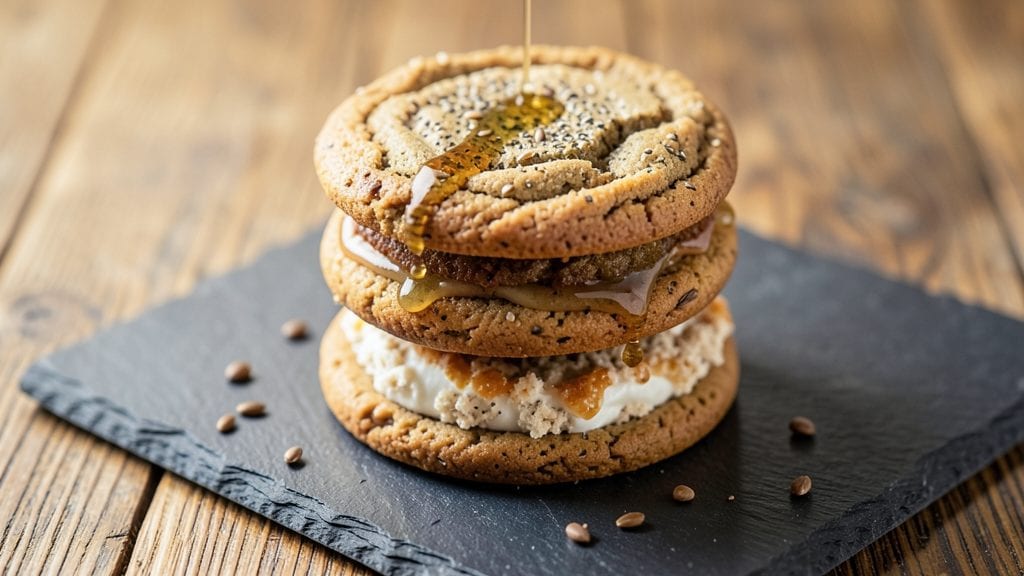
This PBFit cookie recipe delivers all the comfort of classic vanilla swirls with a protein-packed twist that aligns perfectly with fitness goals. ✨ Designed for plant-based eaters, these cookies use whole-food ingredients like coconut oil and plant-based protein powder to create a dessert that won't derail your nutrition.
The secret lies in balancing protein content with familiar textures—no chalky aftertaste or dense crumb here.
What makes these cookies truly special is their versatility while maintaining professional results. You'll achieve a tender yet sturdy texture through precise ingredient ratios and baking techniques, ensuring they hold their shape without being dry.
The vanilla swirl adds that nostalgic touch, but with a nutritional upgrade: each batch provides measurable protein per serving without sacrificing sweetness or satisfaction.
By the time you pull these from the oven, you'll have golden-brown cookies with a subtle caramelized edge and a soft, slightly chewy center—just like your favorite bakery version, but with 15 grams of protein per serving.
The recipe includes optional boosts like chia seeds or flaxseed for extra fiber, proving you can enjoy dessert while supporting your active lifestyle.
Perfect for post-workout recovery, meal prep, or sharing with fitness-focused friends—these cookies prove healthy eating doesn't mean sacrificing indulgence. Let's make them with confidence, knowing every bite works for your goals.
Ingredients for pbfit cookie
Twelve whole-food ingredients transform into protein-packed cookies that taste like indulgence but fuel your goals.
| Ingredient | Amount | Notes |
|---|---|---|
| Plant-Based Protein Powder 🍫 | 1 ½ cups | Vanilla or unflavored, measure by weight if possible |
| Unsweetened Almond Flour 🌰 | 2 cups | Fine grind for best texture |
| Coconut Sugar 🍯 | ½ cup | Or maple syrup for liquid sweetener |
| Melted Coconut Oil 🥥 | ½ cup | Unrefined for best flavor |
| Pure Vanilla Extract 🌿 | 1 tbsp | High-quality Madagascar bourbon preferred |
| Ground Flaxseed 🌾 | ¼ cup | For binding and fiber boost |
| Baking Soda 🧂 | ½ tsp | For proper rise |
| Sea Salt 🧂 | ½ tsp | Fine grain preferred |
| Chia Seeds 🌱 | ¼ cup | Optional for extra fiber |
| Unsweetened Applesauce 🍎 | ½ cup | For moisture without sugar |
| Vanilla Bean Paste 🌿 | 1 tbsp | For swirl and extra flavor |
| Dark Chocolate Chips 🍫 | 1 cup | Vegan, 70% cocoa minimum |
The plant-based protein powder is the foundation—Orgain or Naked Nutrition work best for texture. Grab the vanilla flavor if you want that classic taste, but unflavored lets you control the sweetness. Trader Joe's carries excellent options, or check the bulk bins at Whole Foods for cost savings. The almond flour needs to be fine-ground; Bob's Red Mill is my go-to brand. Don't skip the coconut sugar—it caramelizes beautifully for that bakery-style edge. If you can't find it, maple syrup works in a pinch, but reduce other liquids slightly since it's thicker.
No vanilla extract? Vanilla bean paste gives you those speckles and deeper flavor—Trader Joe's sells it cheap. Swapping the chocolate chips? Vegan carob chips or chopped dates work beautifully. The flaxseed and chia seeds are optional but worth it—they add fiber and moisture without altering the texture. For extra protein, add 1 scoop collagen peptides (if not strictly vegan) or 1 tbsp hemp seeds. The baking soda is non-negotiable—it's what gives these cookies that perfect lift. And if you're worried about dryness, the applesauce is your secret weapon.
Store cookies in an airtight container with parchment between layers for up to 5 days. Freeze half the batch immediately for 3 months—they reheat perfectly in the oven for 2 minutes at 350°F. I always double the recipe and portion into muffin liners for easy grab-and-go snacks. The protein powder keeps in the pantry for 6 months if sealed properly, while the almond flour stays fresh for up to a year in the freezer.
Why You'll Love This Recipe
- No Mixer Needed: I swear by this—just fold, scoop, and bake. The protein powder and almond flour blend like magic with your fingers (yes, really), and you’ll have dough ready in minutes. No waiting for eggs to come to room temp or dealing with sticky messes.
- Vanilla-Coconut Magic: That vanilla extract and coconut sugar combo? Chef’s kiss. The cookies smell like a tropical bakery, but with a subtle protein-rich depth that keeps them satisfying—not cloyingly sweet. Honestly, my non-vegan friends keep asking for the recipe.
- Protein-Packed Snack Attack: These aren’t just cookies—they’re my go-to for post-workout fuel or a 3 PM energy boost. The almond flour keeps them sturdy enough for meal prep, and the protein powder means they’ll keep you full longer than your average treat. I stash them in the freezer for grab-and-go days.
- Budget-Friendly Batch Cooking: A single bag of almond flour and a tub of protein powder stretch forever, and coconut sugar costs less than half the price of white sugar. Make a double batch, freeze half, and you’ve got a pantry staple that’s cheaper than store-bought cookies—and way healthier. (Yes, even on a Tuesday night.)
Step-by-step instructions for PBFit cookies recipe
Here's how to craft these protein-packed delights with perfect texture and flavor every time.
👨🍳 Step 1: Mix the Dry Ingredients for Perfect Texture
In a large mixing bowl, combine the 1.5 cups plant-based protein powder, 2 cups unsweetened almond flour, 0.5 cup chia seeds, 0.25 cup ground flaxseed, 0.5 tsp baking soda, and 0.5 tsp sea salt. Use a whisk to break up any protein powder clumps and ensure even distribution throughout the almond flour.
This dry blend is your foundation - the protein powder and almond flour create that satisfying chewy texture while the chia and flaxseeds add fiber and binding power. Sift the mixture lightly if you have any large protein powder chunks remaining. Set this bowl aside for now - we'll come back to it after making the wet ingredients.
🍳 Step 2: Create the Wet Base with Perfect Consistency
In a separate bowl, gently warm the 0.5 cup melted coconut oil (just until it's liquid but not hot) and whisk in the 0.5 cup coconut sugar, 1 tbsp pure vanilla extract, and 1 tbsp vanilla bean paste. The paste will create beautiful swirls later - don't overmix or you'll break up the bean pieces.
Add the 0.5 cup unsweetened applesauce next, mixing until completely smooth. The applesauce provides moisture without adding sugar, keeping these cookies lighter than traditional versions. The mixture should be thick but pourable - if it's too stiff, add 1-2 teaspoons of water. This wet base will bind everything together beautifully.
🥘 Step 3: Combine Wet and Dry for Cookie Dough
Gradually pour the wet mixture into the dry ingredients while mixing with a spatula. Start on low speed if using a mixer, or stir gently by hand to avoid developing gluten. Mix just until combined - you should still see small flecks of almond flour. Overmixing leads to tough cookies, so stop as soon as everything comes together.
Fold in the 1 cup dark chocolate chips using a silicone spatula, ensuring even distribution throughout the dough. The chocolate should be dispersed but still visible - we want pockets of melty goodness in every bite. If the dough feels too dry, add 1-2 teaspoons more of melted coconut oil to help bind it.
⏰ Step 4: Chill for Ideal Cookie Formation
Cover the mixing bowl with plastic wrap and refrigerate for at least 30 minutes (up to 24 hours for best results). Chilling allows the protein powder to fully hydrate and prevents excessive spreading when baking. The dough will firm up significantly - this is exactly what we want for thick, cake-like cookies.
While chilling, preheat your oven to 350°F. Line two baking sheets with parchment paper or silicone baking mats. The chilled dough will be easier to handle and maintain its shape during baking. This step makes all the difference between flat cookies and perfect domed protein-packed treats.
🔥 Step 5: Bake to Golden Perfection
Using a 2-tablespoon cookie scoop, portion the chilled dough onto the prepared baking sheets, spacing them about 2 inches apart. Gently press down each portion with your finger to create a flat, even surface - this helps them puff up nicely while baking.
Bake for 12-14 minutes until the edges are golden brown and the centers still look slightly soft. They'll firm up as they cool. Watch closely after 10 minutes - protein cookies can go from perfect to overdone quickly. Remove from oven and let cool on the baking sheet for 5 minutes before transferring to a wire rack.
Pro Tips For Making Pbfit Cookie
- Measure Protein Powder Wet: Dump that scoop straight into dry ingredients and you’ll end up with lumps—trust me, I’ve done it. Instead, whisk the plant-based protein powder into the melted coconut oil first. It dissolves instantly and blends smoother than if you tried to mix it later, especially with almond flour’s stubborn texture.
- Toast Almond Flour First: Skip this, and your cookies might taste like floury cardboard. Pulse unsweetened almond flour in a dry pan over medium heat for 2–3 minutes until it smells nutty and golden. It deepens flavor and cuts the raw taste—no fancy equipment, just a hot pan and a spoon to stir.
- Chill Dough for 30 Minutes: I used to bake these straight from the bowl, thinking I’d save time. Big mistake—the cookies spread like pancakes and stayed dense. Let the dough rest in the fridge (yes, even if you’re impatient). The coconut oil firms up, and the texture becomes chewy and crackly, not gummy.
- Use Coconut Sugar Coarse: Fancy white coconut sugar? Save it for drinks. The grainy stuff packs better and caramelizes faster, giving your cookies that classic chew without dissolving into a sticky mess. Sift it lightly if your recipe’s too dry, but don’t overdo it—almond flour’s already a powder.
Wine and beer pairings for this pbfit cookie
Light & Refreshing Wines
For these protein-packed cookies, I recommend crisp white wines that complement the vanilla and chocolate without overpowering the delicate flavors. A Sauvignon Blanc from New Zealand—like Cloudy Bay—cuts through the richness with its citrus and herbal notes, creating perfect contrast.
The acidity also helps cleanse your palate between bites. 🍷
If you prefer something lighter, try a Pinot Grigio from Italy, such as Santa Margherita. Its subtle almond and apple undertones mirror the vanilla and coconut flavors in the cookies, making each sip feel like a natural extension of the dessert. Serve chilled to enhance the refreshing experience.
Fruity Red Options
For those who prefer red wine, a Pinot Noir with bright fruit flavors works beautifully. Look for a Willamette Valley Oregon wine like Domaine Serene—its red berry and cherry notes harmonize with the dark chocolate chips while the soft tannins won’t clash with the protein-rich texture. 🍇
Avoid heavy, bold reds like Cabernet Sauvignon—they’ll overpower the delicate vanilla swirl. Instead, opt for a light-bodied Beaujolais like Brouilly from France, which offers juicy raspberry and violet flavors that complement the cookies’ sweetness without competing.
Craft Beer Pairings
For beer lovers, a Belgian Witbier like Hoegaarden is a fantastic match. The coriander and orange peel notes in this refreshing ale balance the sweetness of the cookies, while the effervescence cleanses your palate between bites. The slight spiciness also enhances the vanilla flavor. 🍺
If you prefer something darker, try a light amber ale with caramel and biscuit notes, like Allagash White. The malt sweetness complements the coconut sugar in the cookies, while the low bitterness ensures the protein-packed profile doesn’t feel heavy. Serve slightly chilled for the best experience.
Non-Alcoholic Alternatives
For a non-alcoholic pairing, I love serving these cookies with sparkling apple cider like Martinelli’s. The effervescence and tart apple flavors create a refreshing contrast to the rich, sweet cookies. The natural sweetness also helps balance the protein-forward profile. 🍎
Another great option is ginger beer—the spicy kick from fresh ginger enhances the vanilla and chocolate flavors while adding a lively contrast. Look for a high-quality brand like Feather’s for the best results. Serve over ice for a refreshing, energizing drink.
Nutrition facts
Frequently asked questions
Can I make these cookies gluten-free?
Swap the almond flour for a 1:1 gluten-free oat flour or coconut flour blend—just add 1 extra egg white (or 1 tbsp ground flaxseed + 3 tbsp water) to help bind the dough. The texture will be slightly denser, but still delicious. Use certified gluten-free protein powder to avoid cross-contamination.
Why do my cookies spread too much?
This usually happens when the dough isn't chilled long enough or the oven runs hot. Always refrigerate the dough for at least 30 minutes (up to 24 hours for best results) and use a 350°F oven—no higher! If your kitchen gets warm, place the baking sheet on the middle rack. For extra stability, add 1 tbsp cornstarch to the dry ingredients.
How do I boost the protein even more?
Add 1 scoop vanilla or unflavored plant-based protein powder (total 2 cups) or mix in 1/4 cup hemp seeds for extra fiber and protein. For a nutty twist, fold in 1/2 cup chopped walnuts—they add healthy fats too! Just reduce the almond flour by 1/4 cup to keep the dough workable.
Can I use regular flour instead of almond flour?
Not recommended—regular flour lacks the protein and fat needed for proper texture, resulting in dry, crumbly cookies. If you must substitute, use a 1:1 gluten-free blend (like Bob's Red Mill) and add 1 extra tbsp coconut oil to compensate for lost moisture. The flavor and texture won't be identical, but it'll work in a pinch.
How do I store these for meal prep?
Store in an airtight container with parchment paper between layers to prevent sticking. They stay fresh for 5 days at room temperature or 3 months in the freezer. For reheating, bake frozen cookies at 350°F for 2-3 minutes to restore softness. Portion into muffin liners before freezing for easy grab-and-go snacks!