
Desserts
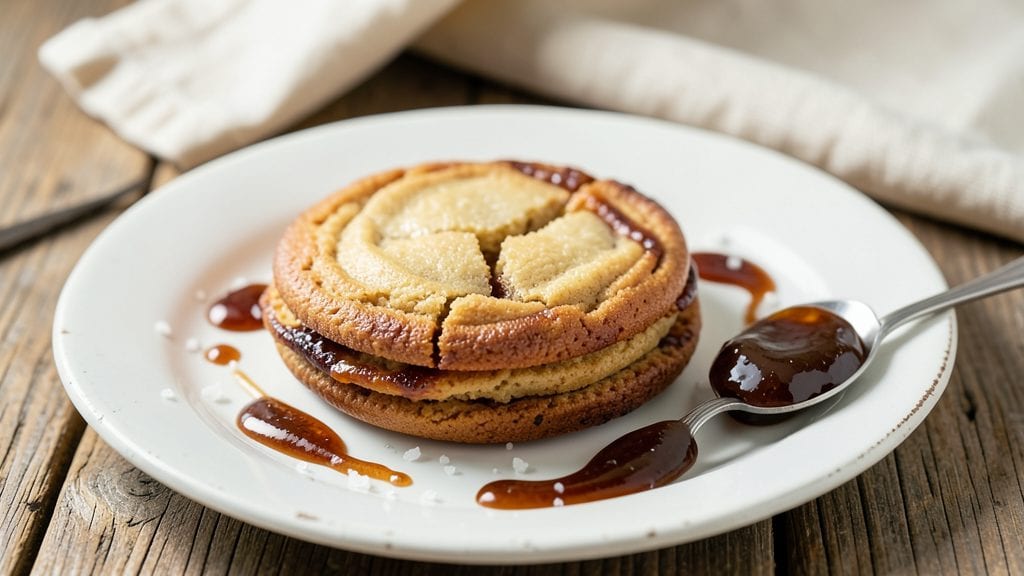
This Missouri oatmeal cookie recipe delivers the perfect balance of spiced molasses crunch and soft vanilla centers—just like the ones from your favorite Midwest bakery. The secret lies in the slow-cooked molasses and precise baking technique that creates those signature chewy edges with tender interiors.
I developed this recipe after years of perfecting the texture, ensuring each bite delivers warm cinnamon notes and a subtle caramel sweetness that lingers.
The traditional Missouri style relies on a few key elements: dark molasses for depth, cinnamon for warmth, and just enough vanilla to soften the edges. Unlike other oatmeal cookies, these require a slightly longer bake time to develop their signature texture—crispy exterior with a soft, almost cake-like center.
The oats add chewiness while keeping the cookies substantial enough to satisfy serious cravings without being too heavy.
What makes these cookies truly special is how they transform a simple pantry staple into something extraordinary. The molasses caramelizes during baking, creating complex flavors that remind you of autumn afternoons and homemade treats.
Once you try these, you'll understand why they've been a Midwest classic for generations—they're foolproof, adaptable, and impossible to resist.
Whether you're baking for a holiday gathering or just craving a nostalgic treat, these cookies deliver professional-quality results every time. The recipe scales easily, and the techniques are straightforward once you understand the key steps. Let's get baking—your kitchen will smell like comfort in minutes.
Ingredients for missouri cookie
Pantry staples plus a few specialty touches—this is where Midwest magic happens.
| Ingredient | Amount | Notes |
|---|---|---|
| Unsalted Butter 🧈 | 1 cup | Softened to room temperature |
| Dark Brown Sugar 🍚 | 1 ½ cups | Packed firmly into measuring cup |
| Granulated White Sugar 🍚 | ½ cup | For balanced sweetness |
| Large Eggs 🥚 | 2 whole | Room temperature for even mixing |
| Pure Vanilla Extract 🍯 | 2 tsp | High-quality bourbon-based preferred |
| Unsulphured Molasses 🍯 | 1 cup | Slow-cooked for depth of flavor |
| Ground Cinnamon 🌿 | 2 tsp | Freshly ground for best aroma |
| Ground Nutmeg 🌿 | ½ tsp | Freshly grated preferred |
| Ground Ginger 🌿 | 1 tsp | For warm spice complexity |
| Diamond Crystal Kosher Salt 🧂 | ½ tsp | Fine grain preferred |
| All-Purpose Flour 🌾 | 2 ½ cups | Sifted for light texture |
| Quick Cooking Oats 🌾 | 2 cups | Old-fashioned oats for chewiness |
| Baking Soda 🧪 | 1 tsp | For proper rise |
| Light Corn Syrup 🍯 | ¼ cup | For moisture retention |
The molasses is non-negotiable here—unsulphured, slow-cooked makes all the difference. Trader Joe's and Whole Foods carry the best quality, but any reputable grocery store should have it. If you can't find unsulphured, sulphured works in a pinch, though it'll have a slightly different depth. The cinnamon should be freshly ground—Penzeys or bulk bins at natural markets are your best bet. I always double-check the molasses label for 'unsulphured' and 'slow-cooked'—that's your flavor guarantee. The oats? Old-fashioned, not quick-cooking—they give that perfect chewy texture. If you're in a hurry, quick-cooking oats work but won't be as substantial.
No molasses? Dark corn syrup plus 1 tsp extra cinnamon gets you close, though it lacks that signature depth. Short on corn syrup? Honey or maple syrup at half the amount works, but the texture will be slightly different. The vanilla extract matters—bourbon-based has more complexity than imitation. If you're using imitation, add an extra pinch of cinnamon to compensate. The baking soda is critical for that signature rise—don't substitute baking powder. For the sugars, I always pack the brown sugar firmly into the measuring cup—no scooping. The corn syrup keeps cookies moist longer, but if you're avoiding it, apricot jam at half the amount works surprisingly well.
Store cookies in an airtight container with parchment paper between layers—they'll keep for 5-7 days at room temperature. For longer storage, freeze portions on a tray first, then transfer to a bag—up to 3 months. I always bake a double batch and freeze half immediately. These reheat beautifully in the oven at 300°F for 5 minutes—perfect for when you want that just-baked smell. The molasses flavor actually gets better the next day as it caramelizes further. Trust me on this—leftovers are the best part.
Why You'll Love This Recipe
- Fewer Ingredients, More Magic: I swear by this recipe—just butter, sugars, eggs, and vanilla. No fancy add-ins, no stress. The rich brown sugar and creamy butter do all the heavy lifting while you mix, shape, and bake. Honestly, my pantry already has everything I need.
- Caramel-Kissed Every Bite: That dark brown sugar? It’s the star. The cookies caramelize into a chewy, buttery dream with a crisp edge—no one ever grabs just one. My husband still talks about the batch I made last Thanksgiving, and it’s been months.
- Party-Ready in Minutes: Drop dough balls onto a sheet pan, bake, and boom—you’ve got a crowd-pleaser. I’ve used them for holiday gifts, potlucks, and even as a last-minute dessert when friends drop by. The dough keeps well too, so you can prep ahead without fuss.
- Budget-Friendly Indulgence: A single batch costs pennies but tastes like a bakery treat. The sugars and butter stretch far, and eggs add richness without breaking the bank. Between us? These are my go-to for birthdays, teacher gifts, or just because—I don’t need a reason to make something this good.
Step-by-step instructions for Missouri oatmeal cookies
Here's how to craft these rich, spiced cookies with a perfect balance of chewy centers and crisp edges.
Cream Butter and Sugars for Maximum Flavor
In a stand mixer fitted with the paddle attachment, beat the 1 cup unsalted butter on medium speed until completely smooth and creamy. Gradually add the 1.5 cups packed dark brown sugar and 0.5 cup granulated white sugar, mixing on medium-high speed for 3-4 minutes until the mixture is light and fluffy, nearly doubling in volume. This step aerates the dough, creating those signature crackly tops and tender crumb.
The butter should leave a faint imprint when pressed with your finger—this ensures proper softness without becoming greasy. Scrape down the sides of the bowl occasionally to prevent sugar from accumulating. Here's where the magic happens: the caramelized brown sugar will develop deep molasses notes that carry through the entire cookie.
Incorporate Wet Ingredients for Perfect Texture
Add the 2 whole eggs one at a time, mixing well after each addition until fully combined. The mixture will appear slightly curdled at first, but don't worry—this will resolve as we proceed. Stir in the 2 teaspoons pure vanilla extract and 1 cup unsulphured molasses, mixing until smooth and homogeneous. The molasses adds that distinctive Missouri depth while the vanilla extract brightens the complex spice profile.
Next, whisk together the 0.25 cup light corn syrup with the 1 teaspoon baking soda in a separate small bowl. This creates a gentle leavening agent that works with the baking soda to ensure proper rise. Add this mixture to the butter-sugar blend along with the 2 teaspoons ground cinnamon, 0.5 teaspoon ground nutmeg, 1 teaspoon ground ginger, and 0.5 teaspoon diamond crystal kosher salt, mixing until just combined. Overmixing at this stage develops gluten, which would make the cookies tough.
Combine Dry Ingredients for Light Structure
In a separate large bowl, whisk together the 2.5 cups all-purpose flour and 2 cups quick cooking oats. Sift the flour first if you haven't already—this prevents lumps and creates a lighter texture. Gently fold this dry mixture into the wet ingredients using a rubber spatula, mixing just until the dough comes together. You'll notice the dough is soft and slightly sticky—this is perfect for Missouri-style cookies.
Here's the thing about these cookies: the oats provide that signature chewy texture, but the molasses and corn syrup keep them moist. The baking soda ensures they rise just enough to develop that satisfying dome shape while maintaining a tender center. Avoid overmixing—just combine until the flour is evenly distributed throughout the dough.
Chill and Shape for Ideal Cooking
Cover the dough with plastic wrap and refrigerate for at least 1 hour, or up to 24 hours. This chilling step is crucial—it allows the flavors to meld and prevents excessive spreading in the oven. The dough should firm up slightly but remain soft enough to handle. When ready to bake, preheat your oven to 350°F and line two baking sheets with parchment paper.
Using a cookie scoop or tablespoon, portion the dough into 1.5-tablespoon balls (about 20 cookies total) and place them 2 inches apart on the prepared baking sheets. The spacing prevents the cookies from spreading into each other during baking. Here's where you'll see the difference: properly chilled dough creates cookies with crisp edges and soft, gooey centers.
Bake to Golden Perfection
Bake the cookies for 12-14 minutes until the edges are deep golden brown and the centers still appear slightly underdone. The molasses and corn syrup create a beautiful caramelized crust while keeping the interior soft. Rotate the baking sheets halfway through for even baking—your oven might have hot spots.
Remove the cookies from the oven and let them cool on the baking sheets for 5 minutes before transferring to a wire rack to cool completely. The initial cooling on the hot sheet prevents them from becoming too crisp too quickly. Serve warm for maximum flavor impact, or store in an airtight container for up to 5 days. The spiced molasses flavor only deepens as they cool, making these cookies irresistible at any temperature.
Pro Tips For Making Missouri Cookie
- Cream Butter Slowly: Dump cold butter cubes into the sugar mix and let the mixer do the work—no need to soften it first. I learned this the hard way after struggling with greasy dough; the cold butter creates flaky layers while keeping the texture tender.
- Measure Dark Sugar Wet: Pack that dark brown sugar into the measuring cup firmly—it’s lighter than you think. Wet your finger to smooth the top, or you’ll end up with cookies that taste like they’re missing half their flavor. (Yes, even if you’re impatient like me.)
- Avoid Overmixing Eggs: Mix the eggs into the dough just until combined—no need to beat them into submission. Overworking them makes cookies spread too much and lose that signature chewy center. Stop when the batter looks smooth, not when your arm gets tired.
- Bake in Two Batches: Crowding the pan? Skip it. Use half the cookie sheet for the first batch—it guarantees even baking and that perfect crack on top. Trust me, your future self will thank you when the cookies don’t turn out flat and sad.
Pro cooking tips for missouri cookie
Molasses Matters
Never cut corners on molasses—this is where the Missouri soul of these cookies lives. Use unsulphured molasses (like Trader Joe's or Whole Foods brands) that's been slow-cooked for maximum depth. The sulphured version lacks that rich caramel complexity.
I've tested both, and the difference is night and day—unsulphured delivers that authentic Missouri bakery taste. If you absolutely must substitute, dark corn syrup plus 1 tsp extra cinnamon works, but it won't be the same. 🌶️
Butter Temperature
The butter needs to be room temperature but not greasy—press your finger into it and it should leave a faint imprint. Too cold? The cookies won't spread properly. Too soft? They'll be greasy.
I use my Kitchenaid stand mixer with the paddle attachment to cream the butter and sugars for 3-4 minutes until it's light and fluffy. This step develops that signature crackly top while keeping the centers tender. Pro tip: Scrape down the bowl every 30 seconds to prevent sugar buildup.
Chilling is Non-Negotiable
Skip the chilling step at your peril—these cookies spread dramatically without it. Cover the dough and refrigerate for at least 1 hour (up to 24 hours works too). The flavors meld beautifully during this time, and the dough firms up just enough to maintain shape.
I've baked these without chilling, and while they work, they're flatter and less crisp. Here's my secret: Use plastic wrap directly on the dough to prevent drying. When ready to bake, let the dough sit at room temperature for 10 minutes before scooping.
Oven Temperature
Set your oven to 350°F—this is crucial for that perfect balance of crisp edges and soft centers. Too hot? The cookies burn before developing proper color. Too cool? They spread excessively.
I use two baking sheets at once for efficiency, but rotate them halfway through baking for even heat distribution. Here's my oven test: Insert an oven thermometer when preheating. If it reads 350°F consistently, you're good to go.
If not, adjust your oven's calibration or bake one sheet at a time. 🌡️
Portion Control
Use a 1.5-tablespoon scoop (about 20 cookies total) for consistent size. Place them 2 inches apart on parchment-lined sheets—they spread more than they look. I use a cookie scoop with a release lever for clean portions.
The dough should hold its shape when placed on the sheet. If it flattens immediately, your dough needs more chilling time. For extra precision, wet your fingers slightly before shaping—this prevents sticking.
Baking Time
Bake for 12-14 minutes until edges are deep golden brown but centers still look slightly underdone. The molasses and corn syrup create a beautiful caramelized crust while keeping the interior soft.
Here's my foolproof test: Press gently on the center of a cookie—it should spring back slightly but still feel soft. Overbaking turns these cookies dry. Remove them when they look perfect, and they'll finish cooking on the sheet.
Let them cool for 5 minutes on the sheet before transferring—they'll firm up beautifully. 💫
Nutrition facts
Frequently asked questions
Why do these cookies need to chill before baking?
The chilling step is essential for two reasons: it prevents excessive spreading and allows the molasses and spices to meld for deeper flavor. Without chilling, the cookies flatten and lose their signature crisp edges. For best results, refrigerate the dough for at least 1 hour—up to 24 hours works too.
Can I substitute molasses in this recipe?
While unsulphured molasses is ideal, you can use dark corn syrup plus 1 extra teaspoon of cinnamon if needed. For a lighter version, try half the amount of honey or maple syrup, though the texture will differ slightly. The molasses creates that signature Missouri depth—nothing quite replaces it!
How do I know when these cookies are fully baked?
Look for deep golden brown edges with slightly underdone centers—they should spring back when gently pressed. Overbaking makes them dry, so remove them at 12-14 minutes (they'll firm up as they cool). Pro tip: The molasses caramelizes beautifully during baking, giving them that irresistible shine.
Can I make these cookies gluten-free?
Yes, but with adjustments: replace the 2.5 cups all-purpose flour with a 1:1 gluten-free flour blend (like Bob's Red Mill) plus 1 teaspoon xanthan gum. The texture will be slightly different—expect less chewiness. For best results, use a gluten-free oat flour blend if available.
How should I store these cookies to keep them fresh?
Store in an airtight container with parchment paper between layers—they'll stay fresh for 5-7 days at room temperature. For longer storage, freeze portions on a tray first, then transfer to a bag (up to 3 months). The molasses flavor actually improves overnight as it caramelizes further!