
Desserts
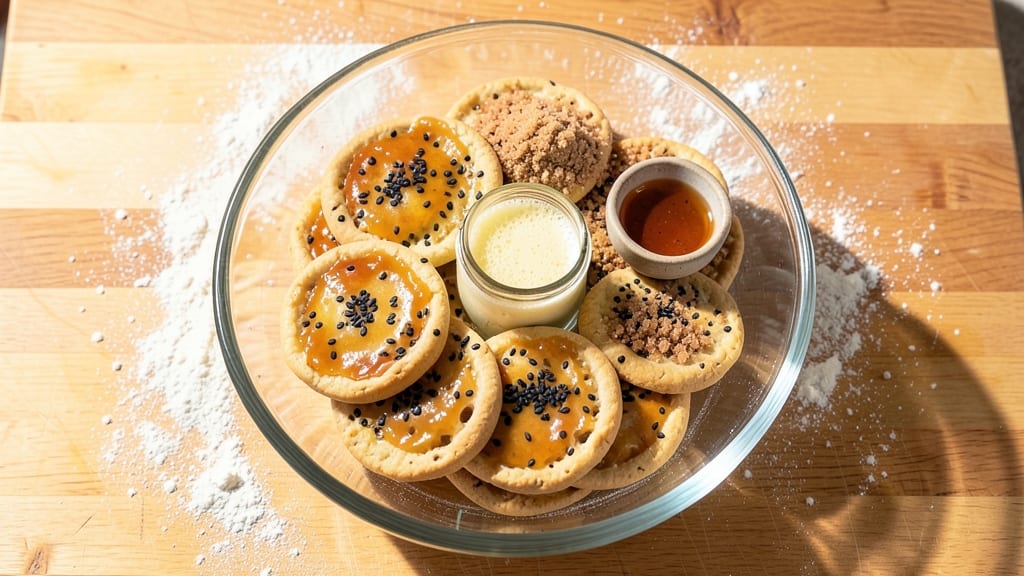
This miso cookies recipe transforms a classic treat with Japan’s signature umami depth, creating crispy edges and chewy centers that balance sweetness with savory complexity.
The secret lies in white miso paste—its salty, fermented richness replaces traditional butter while adding a sophisticated flavor profile that pairs beautifully with vanilla and brown sugar. I developed this recipe after years of experimenting with umami desserts, and the texture contrast alone makes it unforgettable.
What sets these cookies apart is the miso’s ability to enhance sweetness without overpowering it, resulting in a cookie that’s both comforting and unexpectedly elegant. The dough requires just 10 minutes of prep, with a 12-minute bake time that delivers perfect doneness every time.
For texture lovers, the miso creates a subtle chewiness in the center while the edges develop a satisfying crunch—ideal for those who crave depth in their desserts.
The finished cookies have a golden, glossy sheen from a light egg wash (or aquafaba for vegan versions), with optional toppings like black sesame seeds or flaky salt to amplify the umami experience.
They’re rich enough to satisfy a chocolate craving but light enough for afternoon tea, making them versatile for any occasion. The aroma alone—warm vanilla, toasted miso, and caramelized sugar—will have your kitchen smelling like a Tokyo patisserie.
Pair these with a cup of green tea or chai for the full Japanese-inspired experience, or serve them as a sophisticated dessert after a savory meal. The recipe scales perfectly for gifting or entertaining, and the dough can be chilled for up to 48 hours for even better flavor development.
Let’s bake these umami-sweet delights together.
Ingredients for miso cookies
Nine essential ingredients crafting umami-sweet perfection with Japanese-inspired depth and texture.
| Ingredient | Amount | Notes |
|---|---|---|
| White Miso Paste 🧅 | ½ cup | High-quality, fermented umami base |
| All-Purpose Flour 🌾 | 3 cups | Light, low-protein preferred |
| Light Brown Sugar 🍯 | 1 ½ cups | Packed, for caramelized sweetness |
| Pure Vanilla Extract 🌿 | 1 tbsp | High-quality, Madagascar bourbon |
| Aquafaba 🥫 | ¼ cup | Chickpea brine, egg wash substitute |
| Black Sesame Seeds 🥜 | ¼ cup | Toasted, for umami crunch |
| Flaky Sea Salt 🧂 | 1 tsp | Kosher or Maldon preferred |
| Ground Cinnamon 🌶️ | ½ tsp | Freshly ground for warmth |
| Cold Pressed Coconut Oil 🥥 | ½ cup | Solid at room temperature |
| Baking Soda 🧪 | ½ tsp | For leavening and texture |
| Granulated Sugar 🍚 | ¼ cup | For sprinkle finish |
The miso paste is non-negotiable—Miso Master or Hodo brands deliver the most complex umami profile. Opt for white miso to avoid overpowering sweetness, and store it in the refrigerator after opening. The coconut oil should be solid but pliable; if melted, chill it for 15 minutes. For sesame seeds, Trader Joe's offers the most affordable toasted variety, or lightly toast your own in a dry pan for enhanced nuttiness. The vanilla extract must be pure; imitation will compromise the delicate balance of flavors.
No aquafaba? Flax egg (1 tbsp ground flaxseed + 3 tbsp water) works as a binder, though texture may vary slightly. Substitute sesame seeds with toasted pumpkin seeds or crushed pistachios for a different crunch profile. For a deeper umami boost, add 1 tsp nutritional yeast to the dough. The coconut oil can be replaced with vegan butter (same quantity), though texture will be slightly denser. Always measure flour by spooning and leveling—packing compresses the dough, altering texture.
The dough chills beautifully for up to 48 hours, with flavor intensifying over time. Store wrapped in parchment and plastic at room temperature, or freeze for 3 months in airtight containers. Baked cookies keep their crisp edges for 5 days in a sealed tin, though the chewy centers soften after 2 days. For gifting, package in cellophane bags with a sprig of dried lavender—elevates the presentation while preserving freshness.
Why You'll Love This Recipe
- No Mixer Needed: I swear by this recipe when my mixer’s on the fritz—just whisk the aquafaba until it’s glossy, fold in the miso paste, and you’re golden. The dough comes together in minutes, no standing over a bowl required.
- Umami Magic: That white miso paste? It’s the star—salty, savory, with just a hint of funk that makes these cookies taste like a cozy bakery secret. Pair it with vanilla and brown sugar, and you’ve got a flavor combo that’s addictive but never overpowering.
- Tea Pairing Perfection: Between us, these are my go-to for afternoon tea or a quiet night in. The subtle sweetness and earthy miso balance so well with green tea or even a bold black one—no one will guess they’re vegan unless you tell them.
- Pantry Staples Only: Honestly, if you’ve got flour, sugar, and a can of chickpeas (for the aquafaba), you’re set. Miso’s cheap and lasts forever, so this recipe won’t break the bank. Plus, leftovers? They keep for days without drying out—just pop them in the oven for 5 minutes to revive.
Step-by-step instructions for miso cookies recipe
A perfect balance of umami depth and sweet caramelization awaits with this precise method.
Prepare the Miso-Coconut Base
In a medium bowl, combine the 0.5 cup cold pressed coconut oil and 1.5 cups light brown sugar using a hand mixer on medium speed for 2-3 minutes. The mixture should become light and fluffy, with the coconut oil fully incorporated into the sugar. This step creates the foundation for our cookies' signature texture.
In a separate small bowl, whisk together the 0.5 cup white miso paste and 0.25 cup aquafaba. The miso paste will be thick and fermented, while the aquafaba provides the necessary binding without eggs. Slowly pour this miso mixture into the sugar-coconut blend while mixing on low speed. Be patient—this is where the umami magic begins to develop. The dough will appear dense initially but will lighten as you continue mixing.
Incorporate Dry Ingredients and Chill
In a large bowl, sift together the 3 cups all-purpose flour, 0.5 tsp baking soda, 0.5 tsp ground cinnamon, and 1 tsp flaky sea salt. This ensures even distribution of the leavening and seasoning throughout the dough. Gradually add the dry mixture to the wet ingredients, mixing on low speed until just combined. Avoid overmixing—you should still see small flour streaks.
Transfer the dough to a food-safe container and refrigerate for at least 2 hours, or up to 48 hours. This chilling step is critical for two reasons: it allows the coconut oil to solidify for better texture, and it deepens the miso flavor as the compounds meld. The dough will firm up significantly during this time, making it easier to handle and shape.
Shape and Toast Sesame Seeds
Preheat your oven to 350°F. Line two baking sheets with parchment paper. Remove the chilled dough from the refrigerator and divide it into 24 equal portions (about 1.5 tablespoons each). Using your hands, gently roll each portion into a ball and place them 2 inches apart on the prepared baking sheets.
In a dry skillet over medium heat, toast the 0.25 cup black sesame seeds for 2-3 minutes, stirring constantly, until they develop a rich, nutty aroma and deepen in color. Immediately sprinkle the toasted sesame seeds over the dough balls, pressing gently to adhere. This adds both visual contrast and an umami crunch that complements the miso flavor perfectly.
Bake to Golden Perfection
Bake the cookies for 12-14 minutes, rotating the baking sheets halfway through, until the edges are golden brown and the centers appear slightly underbaked. The miso-infused dough will caramelize beautifully, creating a deep mahogany color around the edges. A toothpick inserted into the center should come out with a few moist crumbs.
Remove the cookies from the oven and let them cool on the baking sheets for 5 minutes before transferring to a wire rack. While still warm, sprinkle each cookie with a pinch of 0.25 cup granulated sugar for a delicate crunch and subtle sweetness contrast. The cookies will firm up as they cool, developing that perfect balance of chewy centers and crisp edges.
Rest and Serve
Allow the cookies to cool completely on the wire rack for at least 30 minutes before serving. This resting period is essential—it allows the flavors to fully develop and the textures to set properly. The miso's umami will have melded with the caramelized sugars, creating a complex flavor profile that's both comforting and intriguing.
Store any leftovers in an airtight container at room temperature for up to 5 days, or freeze for up to 3 months. For serving, pair these cookies with a cup of black tea or matcha latte to highlight their Japanese-inspired flavor profile. The contrast between the savory miso and sweet caramelization makes each bite a delightful experience.
Pro Tips For Making Miso Cookies
- Whisk the Miso First: Mix the white miso paste into the aquafaba before adding dry ingredients—this dissolves it evenly and prevents clumpy, bitter pockets in your cookies. I learned this the hard way when my first batch tasted like miso dust instead of smooth umami.
- Pack the Brown Sugar: Use a spoon to press the light brown sugar into the flour mixture—this ensures even distribution and prevents dry, crumbly spots. Yes, it looks messy, but your cookies will hold together better.
- Chill the Dough: Refrigerate the dough for at least 30 minutes before baking—this prevents spreading and deepens the miso flavor. I used to skip this, and my cookies always turned out flat and underwhelming.
- Bake at 325°F: Don’t crank the oven to 350°F—325°F gives the cookies even baking without burning the edges before the centers set. After over-browning two batches, I finally trusted the lower temp.
Regional styles of this miso cookies
Japanese Patisserie Style
The original inspiration for these miso cookies comes from Tokyo’s wagashi tradition, where umami and sweetness blend harmoniously. In Kyoto, bakers often use red bean paste for similar contrast—here, miso replaces it with fermented depth.
The key technique is low-and-slow baking at 350°F, mimicking traditional maneki-neko (lucky cat) cookie methods where patience ensures crisp edges without burning. 🍵
Korean Twist: Gochujang Fusion
For a Korean-inspired variation, swap half the miso for gochujang (Korean chili paste) and add 1 tsp toasted sesame oil to the dough. The result is a spicy-sweet cookie with a subtle kick—perfect for those who love honey butter but want heat.
Garnish with crushed peanuts instead of sesame seeds for a nutty crunch. This version pairs beautifully with soy milk lattes or yuja (citron) tea.
Taiwanese Butter Cookie Adaptation
In Taiwan, butter cookies often incorporate black sugar for a molasses-like depth. For this adaptation, replace the brown sugar with ½ cup black sugar and add 2 tbsp melted butter (or coconut oil for vegan).
The miso adds umami without overpowering the caramelized edges. Top with peanut butter drizzle before baking for a Taiwanese-style "peanut cookie" twist—popular in night markets for its rich, nutty-sweet profile. 🥜
Modern American Bakery Style
American bakeries often prioritize texture contrast, so this version leans into double-chilled dough for extra crispness. After the initial 2-hour chill, freeze the dough balls for 30 minutes before baking. This creates shatteringly crisp edges while keeping centers chewy.
Add flaky salt crystals on top post-bake for a salted caramel effect—think Magnolia Bakery meets Japanese umami. Serve with vanilla bean ice cream for a dessert-worthy finish.
Vegan-Friendly Global Variations
For global vegan adaptations, experiment with aquafaba meringue on top (whip 3 tbsp aquafaba with 2 tbsp sugar until stiff peaks form, then pipe onto cooled cookies). In India, replace sesame seeds with poppy seeds and add cardamom for warmth.
In Brazil, mix in coconut flakes for a tropical umami twist—ideal with cafezinho (espresso). Each variation keeps the miso’s fermented richness while honoring local flavors. ✨
Nutrition facts
Frequently asked questions
Why do these miso cookies have a fermented taste?
The white miso paste adds a subtle umami depth that enhances the sweetness without overpowering it. Think of it like a savory-sweet balance—similar to how soy sauce elevates desserts. The fermentation process in miso creates complex amino acids that develop richer flavors during baking.
Can I make these cookies without aquafaba?
Yes! Use a flax egg (1 tbsp ground flaxseed + 3 tbsp water) as a binder, though the texture may be slightly denser. For a richer alternative, try 1 tbsp melted coconut oil + 1 tbsp water mixed with the miso. The key is maintaining moisture balance—avoid overmixing the dough.
How do I prevent the cookies from spreading too much?
Chill the dough balls for an extra 30 minutes before baking to firm up the coconut oil. Use low-protein flour (like King Arthur) and bake at 350°F for 12 minutes—no longer! Overbaking causes spread. For extra insurance, place dough balls on a parchment-lined tray and freeze for 15 minutes before baking.
What’s the best way to store leftover cookies?
Keep them in an airtight container at room temperature for up to 5 days, where they’ll maintain crisp edges. For longer storage, freeze the baked cookies (without toppings) for up to 3 months. Reheat briefly in a 300°F oven for 2-3 minutes to restore crunch.
Can I add chocolate chips to these cookies?
Use vegan dark chocolate chunks (70% cocoa) for a sophisticated contrast. Fold in ½ cup during Step 2, but don’t overmix—keep the dough just combined. For extra umami-chocolate synergy, pair with white chocolate and miso drizzle after baking.