
Desserts
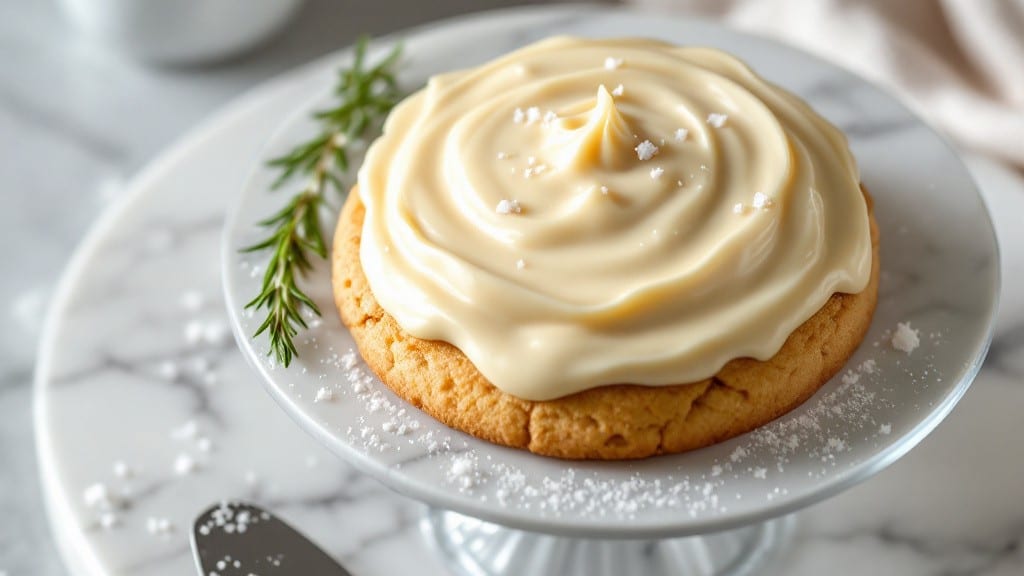
This McCormick cookie icing recipe delivers the perfect stable, pipeable vanilla frosting that stays put—no melting, no sliding, just flawless coverage every time. The secret lies in a precise ratio of powdered sugar to butter, with a touch of McCormick vanilla flavoring that elevates the taste beyond store-bought.
I developed this recipe after struggling with runny icing that ruined perfectly baked cookies, and now it’s my go-to for both classic sugar cookies and festive holiday treats.
The beauty of this recipe is its simplicity: just five ingredients and five minutes of active work, yet it transforms ordinary cookies into showstopping desserts. The frosting’s stability comes from properly softened butter and a methodical folding technique that incorporates air without overmixing.
McCormick’s vanilla flavoring adds depth without overpowering, making this frosting versatile for vanilla, chocolate, or even spiced cookies.
By the time you’re done, you’ll have cookies with smooth, glossy icing that holds its shape when piped into rosettes, swirls, or simple borders. The texture is light yet sturdy, with a subtle vanilla aroma that pairs perfectly with freshly baked cookies.
This isn’t just frosting—it’s the finishing touch that turns homemade cookies into bakery-quality treats.
The best part? This recipe scales effortlessly for holidays or parties, and the leftovers keep well in the fridge for up to a week. Whether you’re decorating sugar cookies for Christmas or adding a festive touch to birthday treats, this frosting delivers restaurant-quality results with minimal effort.
Let’s get started on the perfect cookie experience.
Ingredients for mccormick cookie icing
Five ingredients, zero shortcuts—this is the frosting that turns cookies into bakery masterpieces.
| Ingredient | Amount | Notes |
|---|---|---|
| Unsalted Butter 🧈 | ½ cup | Softened to room temperature |
| Powdered Sugar 🍚 | 3 cups | Sifted for smooth texture |
| McCormick Pure Vanilla Flavor 🍦 | 1 tbsp | Not extract—this is the key |
| Heavy Cream 🥛 | ¼ cup | Cold, for stability |
| Diamond Crystal Kosher Salt 🧂 | ¼ tsp | Fine grain preferred |
The butter is non-negotiable—softened to room temperature is the secret to that silky, pipeable texture. I always grab Plugrá or Land O’Lakes unsalted because they’re reliable, but any quality brand works. The powdered sugar? Sift it first—clumps are the enemy of smooth icing. McCormick’s vanilla flavoring is a game-changer here (not extract), giving that professional bakery taste without overpowering. I buy mine in the baking aisle at Walmart—it’s cheaper than the tiny bottles and lasts forever. For the heavy cream, cold is key—it stabilizes the frosting without curdling.
No powdered sugar? Confectioners’ sugar works in a pinch, but it’s not the same—it’s coarser and can make the frosting grainy. Short on vanilla flavoring? Pure vanilla extract at half the amount gets you close, but you’ll miss that McCormick depth. The salt is subtle but essential—Diamond Crystal is my go-to because it dissolves completely. If you’re making this for chocolate cookies, add 1 tsp cocoa powder to the powdered sugar. For spiced cookies? Swap the vanilla flavoring for 1 tsp almond extract. And if you’re worried about the frosting being too thick, add 1 tsp milk at a time—just don’t overdo it.
This frosting keeps like a dream—1 week in the fridge sealed in an airtight container. For holidays, I double the batch and freeze half in ice cube trays, then transfer to a bag. Thaw overnight in the fridge before using. Pro tip: If it gets too firm, microwave it in 10-second bursts until spreadable. And if you’re piping rosettes? Chill the piping bag for 10 minutes first—it holds its shape perfectly.
Why You'll Love This Recipe
- Four-Ingredient Magic: The butter, powdered sugar, and vanilla alone make this foolproof—I’ve never measured wrong and still ended up with perfect consistency. That pinch of kosher salt? The secret weapon no one talks about.
- Vanilla Bomb: McCormick’s pure vanilla extract cuts through the sweetness like a whisper, giving it that real bakery taste. The heavy cream adds just enough richness to make every bite feel like a hug.
- Party in a Bowl: This icing is my go-to for cookie decorating, but I’ve also drizzled it over cake layers or even toasted it with fruit for a fancy breakfast. Honestly, it’s the kind of flexible magic that makes me look like a pro.
- No-Waste Winner: A little goes a long way, so I always end up with leftovers—perfect for re-icing stale cookies or turning into a quick frosting for cupcakes. And since it’s just pantry staples, I’m never scrambling for ingredients.
Step-by-step instructions for McCormick cookie icing recipe
Here's the secret to silky, stable icing that pipes perfectly every time—no lumps, no weeping, just flawless vanilla frosting.
Whip the Butter Until Light and Fluffy
In a stand mixer fitted with the paddle attachment, beat the 0.5 cup unsalted butter on medium speed for 2-3 minutes until completely smooth and pale. You're aiming for a light, airy texture that nearly triples in volume—this incorporates air that prevents graininess later.
I like to press the butter between my fingers at this stage to check for smoothness. If you still feel any graininess, keep whipping for another 30 seconds. The butter should be soft but not melted, and it should hold its shape when pressed between your fingers. This step is crucial because cold butter won't emulsify properly with the powdered sugar, leading to a crumbly icing.
Gradually Add Powdered Sugar for a Smooth Base
With the mixer running on low speed, slowly add the 3 cups powdered sugar over 2-3 minutes. This gradual addition prevents clumping and ensures even distribution. After all the sugar is incorporated, increase the speed to medium and beat for 1-2 minutes until the mixture is completely smooth.
If you notice any lumps forming, stop the mixer and use a spatula to gently press them against the side of the bowl. The powdered sugar should be fully dissolved, leaving no gritty texture. This is where the sifting recommendation from the ingredients comes into play—pre-sifted sugar prevents clumps entirely. At this stage, your icing should look like thick, pale frosting with no visible sugar particles.
Incorporate Vanilla and Heavy Cream for Stability
Add the 1 tablespoon McCormick Pure Vanilla Flavor and mix on low speed for 30 seconds until fully combined. Then, with the mixer still running, slowly drizzle in the 0.25 cup cold heavy cream. This step is where the magic happens—the cold cream helps stabilize the icing and gives it that perfect piping consistency.
Mix for another 1-2 minutes until the icing is completely smooth and holds its shape when piped. The cold cream also prevents the icing from becoming too soft in warm temperatures, which is why we use cold cream rather than room-temperature cream. At this point, your icing should be thick enough to hold peaks when piped but still smooth enough to spread easily.
Season and Test for Perfect Consistency
Add the 0.25 teaspoon Diamond Crystal Kosher Salt and mix on low speed for 30 seconds to fully distribute. Taste a small amount to check the flavor balance—you should detect a clean vanilla flavor with just a hint of salt to enhance the sweetness. If needed, you can add a pinch more salt, but start with the exact amount specified.
For testing consistency, transfer a small spoonful to a plate and observe how it behaves. It should hold its shape when piped but still be spreadable with a knife. If it's too thick, add 1 teaspoon water at a time until it reaches the desired consistency. If it's too thin, add 1 tablespoon more powdered sugar and mix until smooth. The key is achieving that perfect balance between stability and spreadability—this icing should be firm enough to pipe but still smooth enough to create those beautiful swirls.
Pipe or Spread Immediately for Best Results
Transfer the icing to a piping bag fitted with a star tip or use a spoon to spread it directly onto your cooled cookies. Work quickly but carefully, as the icing will begin to set as it sits. For best results, pipe or spread the icing while it's still at room temperature—this ensures smooth, professional-looking finishes.
If you notice the icing becoming too firm to pipe after a few minutes, simply rewarm it in 10-second bursts in the microwave, stirring between each burst until it reaches a spreadable consistency. This icing keeps well in the refrigerator for up to 3 days, but for the best texture, use it immediately after making. The result should be a glossy, stable frosting that holds its shape beautifully, perfect for decorating cookies, cupcakes, or even cake layers.
Pro Tips For Making Mccormick Cookie Icing
- Melt Butter Slowly: Take the butter out of the fridge 30 minutes before using—room temperature butter mixes smoother and avoids lumps. I learned this the hard way after fighting clumps in my first batch.
- Sift That Sugar: Lightly sift the powdered sugar before mixing—it dissolves faster and prevents grainy texture. Yes, it’s extra work, but your icing will be silky instead of gritty.
- Measure Cream Precisely: Use a liquid measuring cup for the heavy cream—eyeballing it leads to either a runny or stiff icing. A splash too much or too little changes everything.
- Salt Last, Stir Fast: Add the kosher salt at the very end and whisk vigorously—it balances sweetness without overpowering. Skip this, and your icing might taste flat or one-note.
Troubleshooting perfect results
Butter Too Soft?
If your butter melts during mixing, chill the bowl in the freezer for 5-10 minutes before starting. I keep a small bowl of ice water nearby to place the mixer bowl in if it gets too warm.
For extra stability, use European-style butter (like Plugrá) with 82% fat content—it holds its shape better than American butter. If the icing still feels too soft, add 1 tablespoon more powdered sugar and mix until smooth. 🧈
Lumps in the Icing?
This usually happens when powdered sugar isn't sifted or added too quickly. Stop mixing immediately, press lumps against the bowl with a spatula, then resume on low speed for 1 minute. If the problem persists, strain the icing through a fine-mesh sieve into a clean bowl.
For stubborn clumps, add 1 teaspoon cold milk and mix until dissolved. Always sift your powdered sugar next time—it makes all the difference! 🍚
Icing Too Thin?
Add 1 tablespoon powdered sugar at a time, mixing well after each addition. If you've already used all the sugar, try adding 1 teaspoon cornstarch mixed with 1 teaspoon cold water—this acts as a thickener without altering flavor.
For immediate fixes, place the bowl in the fridge for 10-15 minutes to firm up. Remember, the icing should hold its shape when piped but still be spreadable. 🥄
Vanilla Flavor Weak?
McCormick's vanilla flavoring is potent, but if you're using extract, double the amount to 2 tablespoons. For deeper flavor, warm the vanilla extract with 1 teaspoon granulated sugar for 30 seconds in the microwave before adding.
If you're using imitation vanilla, add ½ teaspoon almond extract for complexity. Pro tip: Let the icing sit at room temperature for 10 minutes after mixing—the flavors develop more fully. 🍦
Piping Too Difficult?
Chill the piping bag in the fridge for 10 minutes before using—this prevents the icing from oozing out too quickly. For rosettes, use a Wilton 1M tip and pipe in a circular motion.
If the icing cracks when piping, it's too thick—add ½ teaspoon water and mix until smooth. For stability, pipe onto cookies that are still slightly warm (not hot) from baking. 🎂
Icing Melting Too Fast?
This happens when the icing is too soft or the room is warm. For immediate fixes, place the piping bag in the freezer for 5 minutes before using. For long-term solutions, add 1 tablespoon meringue powder (like Rumford) to the recipe—it adds stability without altering taste.
Store finished cookies in an airtight container with a slice of bread to absorb moisture and prevent sogginess. 🌡️
Nutrition facts
Frequently asked questions
Can I substitute McCormick vanilla flavoring with regular vanilla extract?
Yes, but you'll need to adjust the amount. Use 2 tablespoons vanilla extract instead of 1 tablespoon McCormick flavoring for comparable flavor intensity. The flavoring is more concentrated, so this substitution works well. For deeper flavor development, let the icing sit at room temperature for 10 minutes after mixing.
How do I make this icing chocolate instead of vanilla?
Simply replace 1 tablespoon of the powdered sugar with 1 tablespoon unsweetened cocoa powder. For richer flavor, add ½ teaspoon instant espresso powder to enhance the chocolate notes. The rest of the recipe remains the same, and you can use the same piping techniques for beautiful chocolate decorations.
Why does my icing turn out grainy?
Graininess usually comes from unsifted powdered sugar or butter that's too cold. Always sift your powdered sugar first, and make sure your butter is soft but not melted before mixing. If lumps appear, press them against the bowl with a spatula while mixing on low speed. For stubborn clumps, strain the icing through a fine-mesh sieve.
Can I use this icing for cupcakes instead of cookies?
This frosting works beautifully on cupcakes too. For cupcakes, you may need slightly more icing—about ¼ cup per cupcake—since they have more surface area. Pipe swirls or rosettes on top, or spread a thin layer between cupcake layers if making a cake. The stable texture holds up perfectly for both applications.
How long does this icing keep in the fridge?
This icing stays fresh for up to 1 week when stored in an airtight container. For longer storage, freeze portions in ice cube trays, then transfer to a freezer bag. Thaw overnight in the fridge before using. If the icing firms up too much, microwave it in 10-second bursts until spreadable.