
Desserts
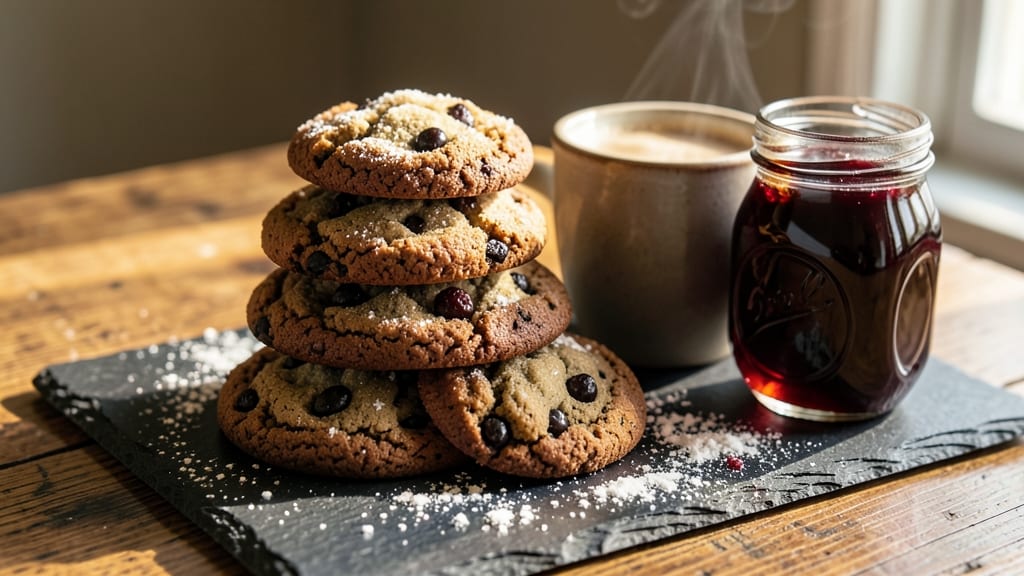
This Guinness cookie recipe delivers the perfect marriage of rich, malty beer flavor and decadent chocolate—with a signature swirl that makes every bite unforgettable. The deep, caramel notes of Guinness balance the sweetness of chocolate chips, while a crisp chocolate crown adds a satisfying crunch.
I perfected this recipe after years of experimenting with beer-infused desserts, and it’s now a showstopper at holiday gatherings.
The secret lies in the dough’s texture—soft yet sturdy enough to hold the chocolate swirl without spreading. You’ll mix Guinness into the batter for that signature depth, then fold in melted chocolate for a marbled effect before baking.
The result is a cookie with a tender center, crisp edges, and a chocolate crown that cracks beautifully when you break into it. It’s the kind of dessert that feels indulgent yet balanced, with just the right amount of bitterness to cut through the sweetness.
What makes these cookies truly special is how versatile they are. Serve them warm with a scoop of vanilla ice cream, or let them cool for a firmer chocolate crown that snaps satisfyingly.
The Guinness flavor shines brightest when paired with coffee or a glass of stout, making them an ideal after-dinner treat. Once you try these, you’ll never go back to ordinary chocolate chip cookies.
For those who love experimenting, try swapping the chocolate crown for a salted caramel drizzle or adding white chocolate chunks for extra richness. The recipe scales easily, so double the batch for parties—just be prepared to have them disappear faster than you can bake them.
Let’s get started on these bold, beer-infused cookies that taste like a dessert from a pub kitchen.
Ingredients for guinness cookie
Rich beer flavor meets crisp chocolate in these decadent cookies—just 13 ingredients for maximum flavor.
| Ingredient | Amount | Notes |
|---|---|---|
| Unsalted Butter 🧈 | 1 cup | Cold, cubed for dough |
| Guinness Beer 🍺 | ½ cup | Chilled, full-bodied stout |
| Granulated Sugar 🍚 | ¾ cup | Light brown preferred |
| Packed Brown Sugar 🍚 | ½ cup | Rich caramel flavor |
| Large Eggs 🥚 | 2 whole | Room temperature |
| Vanilla Extract 🌿 | 1 tsp | Pure, high-quality |
| All-Purpose Flour 🌾 | 2 ¼ cups | Sifted, light flour |
| Baking Soda 🧂 | ½ tsp | Freshly opened |
| Salt 🧂 | ½ tsp | Fine sea salt |
| Semi-Sweet Chocolate Chips 🍫 | 1 ½ cups | Enjoy Life brand |
| Dark Chocolate Bars 🍫 | 6 oz | 70% cocoa, chopped |
| Powdered Sugar 🍚 | ¼ cup | For chocolate crown |
| Vanilla Ice Cream 🍦 | ½ cup | Optional serving suggestion |
The Guinness is the star here, so pick a cold, full-bodied stout—none of that warm, flat stuff. Guinness Draught works best, but any Irish stout in a glass bottle does the trick. Keep it chilled until you're ready to mix it into the dough. For the chocolate crown, 70% dark chocolate gives that perfect balance of bitterness and sweetness—Ghirardelli or Lindt are my go-to brands. The butter should be cold when you cube it—this helps create that signature tender-yet-crisp texture. If you're baking for a crowd, Costco or Sam's Club sell Guinness in larger bottles, saving you a trip back to the store.
No Guinness on hand? Substitute with a mix of stout and coffee—equal parts brewed coffee and dark beer works surprisingly well. Running low on dark chocolate? Semisweet chocolate chips in a pinch, but add an extra 1/4 cup to compensate for the difference in cocoa content. The chocolate crown can also be swapped for a salted caramel drizzle if you're feeling adventurous—just melt 1 cup caramel bits with 1 tbsp butter and drizzle over the tops before baking. For the flour, King Arthur or Gold Medal brands are ideal—they're light and sift beautifully, which prevents dense cookies.
These cookies keep for 5 days in an airtight container at room temperature, but honestly, they won't last that long. The chocolate crown stays crisp for the first 2 days, then softens slightly—so bake a fresh batch if you're saving them for a special occasion. For gifting, wrap individually in parchment-lined cellophane bags and tie with twine. They freeze beautifully too—just portion them out on a tray before freezing to prevent sticking. Once baked, the aroma of the Guinness fills your kitchen, so bake when company's over—it's part of the experience.
Why You'll Love This Recipe
- No-Fuss Mixing: I swear by the 5-minute creaming method—just butter, sugars, and eggs. The Guinness gets folded in last, so no risk of overmixing or tough cookies. Honestly, the dough comes together faster than I can put on a pot of coffee.
- Rich, Roasted Depth: That dark maltiness from the Guinness? It’s like a warm hug in cookie form—caramelized edges with a fudgy center that begs for another bite. (Yes, even on a Tuesday night.) The brown sugar keeps them chewy, while the butter makes them melt just enough.
- Party in a Jar: These freeze like champs, so I batch them for holidays or last-minute gatherings. Toss a handful in a jar for coworkers, and suddenly you’re the office hero. Between us, they’re the only cookie that feels fancy enough for a dinner party but easy enough for a lazy Sunday.
- Pantry Magic: I use whatever butter’s in the fridge, a splash of Guinness from my stash, and sugar from the cabinet—no special shopping needed. The eggs bind it all, and the result? A cookie that costs pennies but tastes like you slaved over it. (Spoiler: I did not.)
Step-by-step instructions for Guinness cookie recipe
Here's how to make these rich, beer-infused cookies with a signature chocolate crown—every bite delivers deep malt flavor and crispy texture.
Create the Guinness Swirl Dough
In a stand mixer fitted with the paddle attachment, beat the 1 cup unsalted butter on medium speed for 2-3 minutes until light and fluffy. Add the 0.75 cup granulated sugar and 0.5 cup packed brown sugar, mixing until fully combined. The butter should become pale and airy—this creates those signature crackly tops.
Add the 2 whole large eggs, one at a time, mixing well after each. Stir in the 1 tsp vanilla extract and 0.5 cup chilled Guinness beer. The beer adds depth but don't worry if it looks curdled—it'll smooth out. In a separate bowl, whisk together the 2.25 cups all-purpose flour, 0.5 tsp baking soda, and 0.5 tsp salt. Gradually add the dry ingredients to the wet, mixing just until combined.
Fold in Chocolate and Chill
Remove the bowl from the mixer and gently fold in the 1.5 cups semi-sweet chocolate chips using a spatula. The dough will be thick and sticky—this is normal. Divide the dough into two equal portions, flatten each into a 6-inch disk, and wrap tightly in plastic wrap. Refrigerate for at least 2 hours (or up to 24 hours). Chilling prevents excessive spreading and enhances the beer flavor.
Here's the thing—don't skip the chilling. Cold dough means thicker cookies with crisp edges and a gooey center. If you're impatient, freeze the dough disks for 30 minutes as a shortcut, but refrigerating gives the best results.
Bake the Cookies
Preheat your oven to 350°F and line two baking sheets with parchment paper. Roll one chilled dough disk into a 10-inch circle on a floured surface, about ¼-inch thick. Transfer to a baking sheet and bake for 12-15 minutes until the edges are golden brown but the center still looks soft. Remove from the oven and let cool for 5 minutes on the baking sheet.
While the first cookie bakes, prepare the second disk the same way. Once both are baked and slightly cooled, use a 2-inch round cutter to cut out circles. Place them back on the baking sheet and bake for an additional 3-5 minutes until the edges are set. You'll end up with two layers of cookies for each serving.
Make the Chocolate Crown
Melt the 6 oz dark chocolate bars in a microwave-safe bowl in 30-second intervals, stirring between each, until smooth. In a separate small bowl, mix the 0.25 cup powdered sugar with 1 tablespoon of the melted chocolate to create a thick glaze. Dip the top of each cookie into the melted chocolate, letting any excess drip off. Immediately press the cookie onto the sugar-chocolate mixture to create a textured crown.
Let the chocolate set for 10 minutes before serving. For an extra indulgent touch, top each cookie with a scoop of 0.5 cup vanilla ice cream. The contrast of warm cookie, cool ice cream, and rich chocolate is pure magic. These cookies keep well in an airtight container for up to 5 days, though they rarely last that long!
Pro Tips For Making Guinness Cookie
- Chill the Dough: These cookies spread like they’ve seen a ghost if you skip this. After mixing, pop the dough in the fridge for at least 30 minutes—up to 24 hours if you’re planning ahead. The cold butter behaves better, and the flavor deepens. (Yes, even if you’re impatient like me.)
- Boil the Beer First: Reduce that Guinness by half before adding it to the dough—simmer it in a saucepan until thick and syrupy. This cuts down on moisture, prevents soggy cookies, and intensifies the malty flavor. (I learned this the hard way after a batch turned out more cake than cookie.)
- Cream Butter and Sugars Low: Beat the butter, brown sugar, and granulated sugar on medium-low until light and fluffy. High speed just melts the butter too fast, and you’ll end up with a greasy mess. Aim for 2-3 minutes—just until the mixture looks like wet sand. (Your mixer will thank you.)
- Use Room-Temp Eggs: Cold eggs make the dough stiff and uneven. Let them sit out for 30 minutes before cracking them in, or even better, warm them slightly in a bowl of hot water for 10 seconds. This ensures smooth incorporation and a consistent texture. (No one wants lumpy Guinness cookies.)
Troubleshooting great guinness cookie
Dough Too Sticky
If your dough feels like glue, you’re not alone—this is normal with Guinness cookies! The beer adds moisture, but cold butter and proper chilling fix it. First, ensure your butter is cold (not softened) when creaming.
If the dough still sticks, sprinkle extra all-purpose flour (about 1-2 tablespoons) while mixing, but don’t overdo it—too much flour makes cookies dry. Chill the dough for the full 2 hours (or overnight) to firm it up.
For a quick fix, freeze the dough disks for 30 minutes before rolling. 🧈
Cookies Spread Too Much
Over-spreading usually means the dough wasn’t chilled enough or the oven was too hot. Always refrigerate dough for at least 2 hours—this prevents excessive spreading. Preheat your oven to exactly 350°F (use an oven thermometer to confirm).
If your cookies still spread, try baking them on the middle rack instead of the top, where heat concentrates. For extra insurance, flatten the dough disks to ¼-inch thickness and use a round cutter to shape them before the final bake. 🔥
Chocolate Crown Won’t Set
A soft chocolate crown happens when the kitchen is too warm or humidity is high. First, ensure your dark chocolate is 70% cocoa—higher cocoa content sets faster. Work in a cool room (ideally below 75°F) and let the melted chocolate cool slightly before dipping.
For extra stability, dust the crown with powdered sugar right after pressing it on. If it still melts, refrigerate the finished cookies for 10 minutes before serving. Pro tip: Use a popsicle stick to hold cookies upright while the crown sets. ❄️
Guinness Flavor Too Strong
If the beer taste overpowers the chocolate, you might have used too much Guinness. The recipe calls for ½ cup, but if you love bold flavors, try ¼ cup next time. Balance it by adding 1 tsp vanilla extract or ½ tsp cinnamon to the dough.
For a smoother flavor, use Guinness Draught (less bitter than some stouts) and let the dough chill overnight—this mellows the beer’s intensity. If the cookies still taste harsh, a pinch of sea salt on top can help. 🍺
Cookies Too Dense
Dense cookies often result from overmixing or not enough leavening. Mix the dough just until combined—overworking it develops gluten, making cookies tough. Double-check your baking soda (it loses potency over time) and ensure your butter is cold.
For extra lift, whisk the flour, baking soda, and salt together thoroughly before adding to the wet ingredients. If the dough seems too thick, add 1 tablespoon of beer to loosen it. 💡
Chocolate Crown Cracks Improperly
Uneven cracks mean the chocolate didn’t set evenly or the cookie wasn’t cool enough. Let the cookies cool on the baking sheet for 5 minutes before adding the crown—this prevents melting.
For a cleaner crack, use a popsicle stick to gently press the chocolate into a star or cross pattern before it sets. If the crown cracks too soon, it might be too thick—mix the powdered sugar into the melted chocolate until it’s thin but coatable. 💫
Nutrition facts
Frequently asked questions
Why does this recipe use Guinness instead of regular beer?
The deep, malty flavor of Guinness gives these cookies a rich, caramel-like depth that regular beer can't match. The stout's roasted notes complement the chocolate perfectly, creating a complex flavor profile. Plus, Guinness's creamy texture makes the dough smoother and more tender than lighter beers.
Can I make these cookies without a stand mixer?
Use a large mixing bowl and a sturdy wooden spoon or rubber spatula. Cream the butter and sugars by hand until light and fluffy (about 5-7 minutes of vigorous mixing). For the dough, fold in ingredients gently to avoid overworking. The chilling step helps compensate for any differences in mixing technique.
How do I store leftover Guinness cookies?
Keep them in an airtight container at room temperature for up to 5 days. The chocolate crown stays crisp for the first 2 days, then softens slightly. For longer storage, freeze baked cookies (before adding the crown) for up to 3 months. Reheat in a 300°F oven for 3-5 minutes to restore crispness.
What's the best way to serve these cookies?
Warm cookies pair beautifully with vanilla ice cream or a glass of stout. For a pub-style presentation, dust with powdered sugar and serve with coffee. The chocolate crown cracks best when cookies are at room temperature, so let them sit for 10 minutes before serving.
Can I substitute other beers in this recipe?
While Guinness is ideal, you can use other stouts or porters. Avoid pale ales or lagers—they lack the maltiness that balances the sweetness. For a lighter option, mix equal parts stout with coffee (1:1 ratio). The beer should be chilled to prevent spreading during baking.