
Desserts
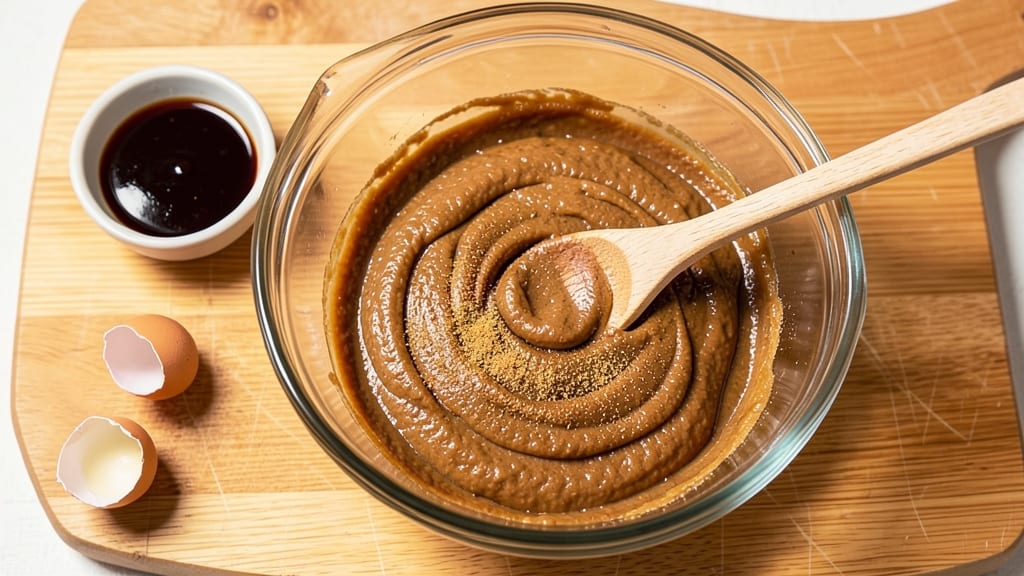
Grandma's molasses gingerbread cookies deliver that perfect balance of chewy crunch and warm spice that makes every bite taste like holiday nostalgia. The secret lies in the molasses—rich, deep, and slightly bitter—paired with freshly grated ginger and cinnamon for that classic grandma-style flavor.
I first learned this recipe from my grandmother, who swore by her foolproof method of creaming butter and brown sugar until light and fluffy, then folding in just enough molasses to keep the cookies tender without being sticky.
What sets these apart from store-bought versions is the slow bake—cooled dough chilled for 24 hours develops deeper flavor and prevents spreading, while baking at 350°F for 10-12 minutes ensures a crispy edge and soft, spiced center.
The gingerbread scent alone will fill your kitchen with warmth, and the texture is what truly makes them special: crispy around the edges but still chewy in the middle, with a subtle crack when you break one open.
These aren’t just cookies; they’re a taste of tradition that’s easy enough for any home baker to recreate.
Once baked, the real magic happens when you dip the warm cookies in melted butter and roll them in a mix of cinnamon and sugar—optional but worth it for that extra crunch.
They stay fresh for days in an airtight container, making them perfect for gifting or stashing in the freezer for last-minute holiday surprises. The molasses gives them a molten caramel note when you bite in, while the ginger and cinnamon linger like a cozy hug.
Whether you’re baking for Christmas morning, a holiday potluck, or just because you crave something nostalgic, these cookies deliver restaurant-quality results with minimal effort. The recipe scales perfectly—double the batch for a crowd, or halve it for a small treat.
Let’s get baking, and bring a little holiday cheer to your kitchen all year round.
Ingredients for grandma's molasses gingerbread cookie
Pantry staples plus a few specialty touches make these cookies taste like holiday magic.
| Ingredient | Amount | Notes |
|---|---|---|
| Unsalted Butter 🧈 | 1 cup | Softened to room temperature |
| Packed Light Brown Sugar 🍯 | 1 ½ cups | Not dark brown sugar |
| Molasses 🍯 | ½ cup | Unsulphured, dark variety |
| Large Eggs 🥚 | 2 whole | Room temperature |
| All-Purpose Flour 🌾 | 3 ½ cups | Spooning, not scooping |
| Ground Cinnamon 🌿 | 2 tsp | Freshly ground preferred |
| Ground Ginger 🌶️ | 1 ½ tsp | Not powdered ginger |
| Ground Cloves 🌿 | ½ tsp | Freshly ground for warmth |
| Salt 🧂 | ½ tsp | Kosher or sea salt |
| Freshly Grated Ginger 🌶️ | ¼ cup | Peeling included |
| Vanilla Extract 🥛 | 1 tsp | Pure vanilla preferred |
| Unsalted Butter 🧈 | ¼ cup | Melted for dipping |
| Granulated Sugar 🍯 | ¼ cup | For cinnamon-sugar mix |
| Ground Cinnamon 🌿 | 1 tbsp | For cinnamon-sugar mix |
The molasses is non-negotiable—unsulphured, dark molasses gives that deep, caramel-like richness. Grocery stores usually carry it, but if you can't find it, Amazon or specialty baking shops are your best bet. Freshly grated ginger (not powdered) makes all the difference—peel and grate it yourself for that bright, zesty kick. For the brown sugar, light brown is key; dark brown makes the cookies too dense. I always grab my spices from Penzeys or the bulk section at Whole Foods—they stay fresher longer.
No unsulphured molasses? Sulphured works in a pinch, but it’ll taste slightly off. Running out of fresh ginger? Powdered ginger at half the amount gets you close, but it lacks that fresh bite. Short on vanilla? Vanilla bean paste or even a scraped vanilla bean pod adds depth. For the cinnamon-sugar mix, Trader Joe's pre-mixed cinnamon sugar is a game-changer—no measuring, just sprinkle. If you’re baking for a crowd, double the batch; the dough keeps well in the fridge for up to 3 days.
The dough needs 24 hours in the fridge—trust me, it’s worth it. Wrap it tightly in plastic wrap or store in an airtight container. Cookies stay fresh for 5 days in a sealed container at room temperature, or 3 months frozen on a tray before bagging. For gifting, bake them ahead, cool completely, then package in cellophane bags tied with ribbon. The scent alone will make them irresistible—holiday magic in every bite.
Why You'll Love This Recipe
- No Mixer Needed: I swear by the creamy butter-and-brown-sugar combo—just cream it with a wooden spoon until it’s light and fluffy. No electric mixer, no stress, just elbow grease that pays off in every bite.
- Molasses Magic: That deep, caramel-like sweetness from the molasses? It’s the star. The cookies stay soft for days, with just enough spice to make them feel like a hug in cookie form.
- Holiday or Snack: These work for Christmas cookie platters, afternoon coffee breaks, or even packed in lunchboxes. Freeze half the batch, and you’ve got a ready-made treat for whenever the craving hits.
- Budget Buster: Five ingredients, one bowl—this recipe stretches further than store-bought and costs next to nothing. Plus, the leftovers? They disappear faster than I can say “second helping.”
Step-by-step instructions for grandma's molasses gingerbread cookies
Here's how to make these legendary cookies with perfectly chewy centers and crisp edges.
Cream the Butter and Brown Sugar
In a large mixing bowl, combine the 1 cup unsalted butter (softened to room temperature) with the 1.5 cups packed light brown sugar. Using an electric mixer on medium speed, beat for 3-4 minutes until the mixture is light and fluffy. You'll notice the color lighten and nearly double in volume as air incorporates.
This creaming process is crucial—it creates the tender texture that makes these cookies so irresistible. If your butter isn't softened enough, the mixture will feel grainy and the cookies will be dense. To check, press your finger into the butter; it should leave a slight indent but hold its shape. If it's too soft, chill the mixture briefly before proceeding.
Mix in Wet Ingredients
Add the 0.5 cup molasses and 2 whole large eggs (room temperature) to the butter-sugar mixture. Beat on medium speed for 2-3 minutes until fully combined and smooth. The molasses will darken the mixture significantly, giving these cookies their signature deep color and rich flavor.
Next, stir in the 1 tsp vanilla extract and 0.25 cup freshly grated ginger. The freshly grated ginger adds a bright, zesty kick that sets these apart from store-bought versions. I like to press the ginger through a fine-mesh sieve to remove any fibrous bits. Mix until everything is evenly incorporated—you should see no streaks of molasses or ginger remaining.
Combine Dry Ingredients
In a separate bowl, whisk together the 3.5 cups all-purpose flour, 2 tsp ground cinnamon, 1.5 tsp ground ginger, 0.5 tsp ground cloves, 0.5 tsp salt, and the remaining 2 tsp ground cinnamon (totaling 4 tsp ground cinnamon for the full spice blend). The cloves might seem like too much, but trust me—they add a warm, aromatic depth that complements the molasses perfectly.
Gradually add the dry ingredients to the wet mixture, mixing on low speed just until combined. Stop mixing as soon as the flour disappears—overmixing develops gluten and makes the cookies tough. You'll know it's perfect when the dough comes together just enough to hold its shape when pressed, but still looks slightly crumbly.
Chill and Prepare for Baking
Divide the dough in half and flatten each portion into a 1-inch thick disk. Wrap tightly in plastic wrap and refrigerate for at least 2 hours or up to 48 hours. This chilling step is essential—it allows the flour to fully hydrate and the flavors to meld, resulting in cookies with perfect texture and depth of flavor.
While the dough chills, prepare your baking sheets by lining them with parchment paper. In a small bowl, mix together the 0.25 cup granulated sugar and 1 tbsp ground cinnamon for the classic cinnamon-sugar coating. Also, melt the 0.25 cup unsalted butter in a small saucepan over low heat—this will be used for dipping after baking.
Bake to Golden Perfection
Preheat your oven to 350°F. Using a 2-tablespoon cookie scoop, portion the chilled dough onto the prepared baking sheets, spacing them 2 inches apart—they'll spread about an inch during baking. Bake for 10-12 minutes until the edges are golden brown but the centers still look slightly soft.
Immediately after removing from the oven, dip the bottom of each cookie into the melted butter, then roll in the cinnamon-sugar mixture. Let them cool on the baking sheet for 5 minutes before transferring to a wire rack. The butter dip adds richness while the cinnamon-sugar gives that classic crunchy contrast. Store in an airtight container for up to 5 days, though they rarely last that long!
Pro Tips For Making Grandma'S Molasses Gingerbread Cookie
- Chill the Dough First: I learned this the hard way—rolling out warm molasses gingerbread dough makes it sticky and unruly. Press the dough into a disk, wrap it tightly in plastic, and refrigerate for at least 2 hours (overnight is better). Cold dough holds its shape, spreads less, and gives you cleaner cookies with those crisp edges everyone loves.
- Use Molasses Straight from the Bottle: That "cooked" or "aged" molasses label isn’t a suggestion—it’s non-negotiable for real gingerbread flavor. The thicker, darker stuff (like Grandma’s brand) has deeper caramel notes and less bitterness. Measure it right from the bottle—no thinning needed. If your recipe calls for "molasses" and you grab the lighter kind, your cookies will taste like they’re missing something.
- Don’t Overmix the Batter: This isn’t pie dough—you’re not trying to develop gluten. Once the wet ingredients (butter, sugar, molasses, eggs) are fully combined, fold in the dry ingredients just until barely mixed. Overmixing makes tough, dense cookies. Use a spatula to gently cut through the flour; a few lumps are fine. Your cookies will stay soft and chewy, not like hockey pucks.
- Bake in Two Rounds: Your oven’s hot spots are real, and molasses cookies spread unevenly. Divide the dough into two batches—bake the first half on the middle rack, then swap the tray to the upper rack halfway through (around 8 minutes in). This guarantees even browning without overcooking the edges. Trust me, your first batch won’t be perfect, but the second will look like a pro made them.
Regional styles of grandma's molasses gingerbread cookie
New England Tradition
In New England, these cookies take center stage during Thanksgiving and Christmas. The recipe often includes an extra 1 tsp of nutmeg for warmth, and some families even add chopped crystallized ginger for texture.
I remember my grandmother in Maine always baking them with molasses from a local farm—the local variety had a deeper, almost caramelized flavor that made them unforgettable. The cookies are traditionally served with a cup of strong black coffee or spiced cider. 🍂
Southern Molasses Style
Southern bakers take molasses gingerbread cookies to another level by adding peanut butter to the dough—about ½ cup creamy peanut butter mixed into the wet ingredients. This creates a rich, nutty contrast that pairs perfectly with the molasses.
In Georgia and Alabama, it’s common to see these cookies decorated with peanut butter drizzle after baking, creating a marbled effect. The Southern version also often includes a pinch of cayenne pepper for subtle heat. 🔥
Midwest Spiced Twist
The Midwest puts its own stamp on these cookies by incorporating chopped candied cherries into the dough—about ½ cup—for bursts of sweet-tart flavor.
Some families in Wisconsin and Michigan also add a splash of bourbon (about 1 tbsp) to the wet ingredients, giving the cookies a warm, caramelized depth. The dough is often rolled in toasted pecans after baking for added crunch, making them a showstopper at holiday gatherings. 🌰
Pacific Northwest Adaptation
Out West, bakers often swap molasses for a mix of molasses and maple syrup (half and half) to reflect local flavors. The recipe might also include chopped dried apples or cranberries for a tart contrast.
In Oregon and Washington, it’s common to see these cookies topped with a cream cheese glaze after baking, adding a tangy brightness that balances the molasses. The Pacific Northwest version also tends to be slightly larger—about 3 tablespoons of dough per cookie—for a heartier bite. 🍁
German-Inspired Variations
German-American bakers often incorporate dark rye flour (about ½ cup) into the dough for a deeper, nuttier flavor. The recipe might also include chopped almonds or walnuts for texture, and the cookies are sometimes baked into a thicker, almost cake-like bar before being cut into squares.
In Pennsylvania Dutch country, these cookies are often served with a side of apfelwein (apple cider) to complement the spiced flavors. 🍎
Modern Shortcut Versions
For busy bakers, some regions have developed shortcut versions using pre-made gingerbread spice blends and even store-bought molasses cookies dough. In California, you’ll find versions where the dough is rolled out, cut into shapes with cookie cutters, and baked for a more decorative look.
Others use a food processor to mix the dough quickly, then chill it overnight. These versions still deliver that classic flavor but with less hands-on time. ⏰
Nutrition facts
Frequently asked questions
Why does the dough need to chill for 24 hours?
Chilling the dough for 24 hours develops deeper flavor and prevents spreading during baking. The flour fully hydrates, creating a more tender cookie with a perfect chewy center. Plus, the spices meld together for that authentic grandma-style taste.
Can I substitute unsulphured molasses with sulphured?
Yes, but expect a slightly different flavor. Sulphured molasses has a sharper, more acidic taste that can overpower the gingerbread profile. For best results, use unsulphured molasses, which has a richer, caramel-like sweetness. If you must substitute, reduce the amount by 1 tablespoon to balance the intensity.
What's the secret to getting the perfect chewy texture?
The chewy texture comes from creaming the butter and brown sugar until light and fluffy, then baking at 350°F for just 10-12 minutes. The edges should be golden while the center stays soft. For extra chewiness, slightly underbake them by 30 seconds—they'll firm up as they cool.
Can I make these cookies without an electric mixer?
Use a sturdy wooden spoon or your hands to cream the butter and brown sugar until light and fluffy. Press the mixture against the bowl with the spoon to incorporate air. For the dough, mix everything by hand until just combined—overmixing develops gluten, making cookies tough. A little elbow grease goes a long way!
How do I store these cookies to keep them fresh?
Store in an airtight container at room temperature for up to 5 days. For longer storage, freeze baked cookies on a tray before transferring to a bag—this prevents sticking. They’ll stay fresh for 3 months frozen. Reheat in a 300°F oven for 5 minutes to restore that fresh-baked warmth.