Side Dishes
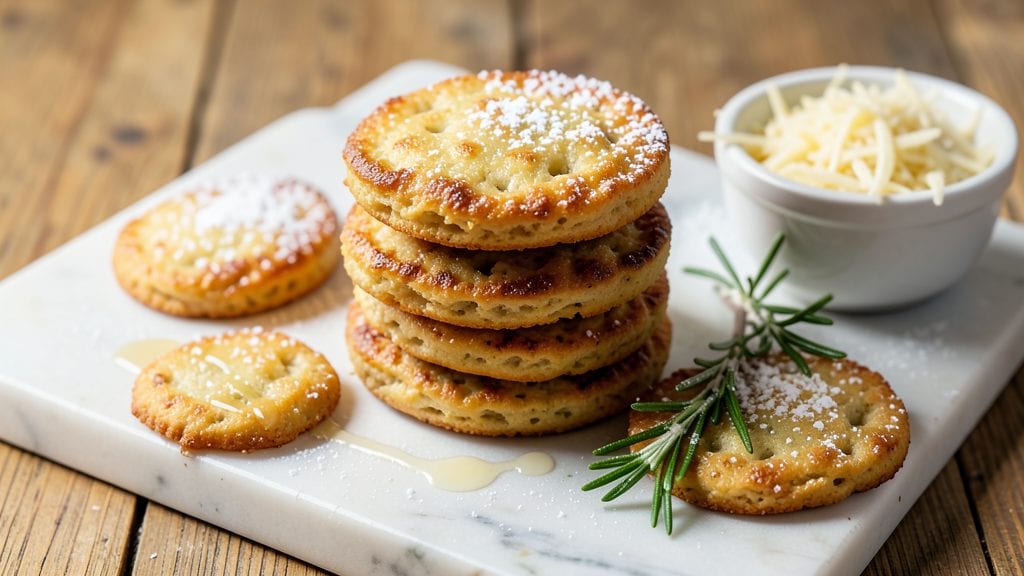
This German potato cookies recipe delivers the perfect balance of buttery crunch and tender texture that makes them irresistible during holiday gatherings.
The secret lies in using grated potatoes mixed with flour and sugar, creating a delicate yet sturdy cookie base that bakes up crisp around the edges while staying soft inside.
I first tried these after discovering how traditional German bakeries achieve that signature texture—it’s all about precise ingredient ratios and gentle handling.
The process is surprisingly straightforward, requiring just a handful of simple ingredients that come together in under 30 minutes. You’ll need grated potatoes (don’t skip the squeezing step!), all-purpose flour, butter, sugar, and a pinch of salt—no fancy substitutions needed.
The dough is rolled thin and cut into classic shapes, then baked until golden brown for that perfect contrast of crunch and chew.
What sets these apart is their ability to stay fresh for days while maintaining that buttery crunch, making them ideal for festive tables or holiday gifts. The aroma of vanilla and butter fills the kitchen as they bake, creating an atmosphere that instantly feels warm and inviting.
Each bite delivers that satisfying texture contrast—crispy edges giving way to tender centers—paired with just enough sweetness to satisfy.
These cookies pair beautifully with hot tea, coffee, or even as a dessert alongside other holiday treats. Whether you’re recreating a family tradition or introducing German flavors to your kitchen, this recipe delivers results that taste like they came straight from a German bakery. Let’s get baking!
Ingredients for german potato cookies
Just nine ingredients for cookies that taste like German bakery magic.
| Ingredient | Amount | Notes |
|---|---|---|
| Russet Potatoes 🥔 | 2 lbs | Grated, liquid squeezed out |
| All-Purpose Flour 🌾 | 3 cups | Sifted for light texture |
| Unsalted Butter 🧈 | 1 cup | Cold, cubed for dough |
| Granulated Sugar 🍚 | 1 cup | Superfine preferred |
| Vanilla Extract 🌸 | 1 tbsp | Pure, not imitation |
| Salt 🧂 | ½ tsp | Fine sea salt |
| Ground Cinnamon 🌿 | 1 tsp | Freshly ground preferred |
| Baking Powder 🍞 | ½ tsp | Aluminum-free |
| Heavy Cream 🥛 | ¼ cup | Cold for crisp edges |
| Powdered Sugar 🍚 | ½ cup | For rolling after baking |
The potatoes make or break this. Russets are the gold standard—they grate smooth and squeeze out enough liquid to keep the dough workable. Whole Foods or Trader Joe's usually carry the perfect ones, but any russet will do. Grate them fresh (no pre-shredded bags) and squeeze out every drop of moisture with a clean kitchen towel. If you're short on time, microwave the grated potatoes for 2 minutes first—it helps release more liquid. The butter? Cold and cubed is non-negotiable—it creates those signature crisp edges.
No vanilla extract? Vanilla bean paste works too, or even a scraped vanilla bean if you're feeling fancy. Short on baking powder? Baking soda at half the amount plus 1 tbsp lemon juice gets you close, but the texture won't be quite the same. The cinnamon can be swapped for cardamom at half the amount if you're feeling adventurous—it's a classic German pairing. For the powdered sugar finish, confectioners' sugar from the store works fine, but if you have a food processor, grinding granulated sugar yourself gives it that extra-fine texture. The heavy cream might seem odd, but it keeps the cookies tender while the butter creates that crunch.
These stay fresh for 5-6 days in an airtight container, though they're best within 3 days. The crunch fades slightly after day 2, but they still taste amazing. For gifting, wrap them in parchment-lined boxes with a sprig of rosemary—they'll keep for up to 2 weeks that way. Freeze for up to 3 months if you're prepping ahead. Just bring to room temp before serving, and dust with powdered sugar right before eating for that bakery-fresh look.
Why You'll Love This Recipe
- No Peel, No Stress: I’ll admit, I used to dread peeling potatoes for baking—but these cookies? You just scrub and grate them raw. That butter and sugar combo softens them into something almost cake-like, and honestly? The texture is what sold me.
- Buttery Vanilla Hug: The moment those cookies come out of the oven, you’ll smell that warm vanilla and butter singing together. It’s like a hug in cookie form—simple, but the kind of flavor that makes you reach for another one before the plate’s even cool.
- Holiday or Snack: Between us, these are my go-to for holiday cookie platters and my kids’ after-school snack. The dough stays together well enough to cut into shapes (or just grab chunks), and they freeze beautifully—so I make a double batch and thank myself later.
- Pantry Magic: Russets and flour are cheap staples, and you’re probably already using butter and sugar. I’ll be real: this recipe saved me when I had guests over and only had a few things on hand. The cookies look homemade but taste like you slaved over them. (Spoiler: you didn’t.)
Step-by-step instructions for German potato cookies
Here's how to make these crispy, buttery cookies with a perfect balance of sweet and spice.
Prepare the Potato Base
Start by grating the 2 lbs of russet potatoes using the fine holes of a box grater. Place the grated potatoes in a clean kitchen towel and squeeze out every last drop of liquid—this keeps your dough from getting soggy. Spread the potatoes on a baking sheet and bake at 200°F for 30 minutes, stirring every 10 minutes, until completely dry. You want them to look like fine cornmeal when done.
Here's the thing—drying the potatoes thoroughly is key. If you skip this step, your cookies will turn out dense instead of crispy. Let them cool completely before using, or the butter in your dough will melt too soon.
Mix the Dough
In a large mixing bowl, combine the 3 cups of sifted all-purpose flour, 1 cup of granulated sugar, 0.5 tsp of salt, 1 tsp of ground cinnamon, and 0.5 tsp of baking powder. Whisk everything together until well blended. In a separate bowl, beat the 1 cup of cold cubed unsalted butter with the 0.25 cup of cold heavy cream until light and fluffy.
Now gradually add the dry potato mixture to the butter mixture, mixing just until combined. The dough should hold together when pressed but still be slightly crumbly. If it feels too dry, add 1-2 tablespoons of cold water. Fold in the 1 tbsp of vanilla extract at the end—this keeps the flavor fresh and bright.
Shape and Chill the Cookies
Roll the dough into 1-inch balls and place them on a parchment-lined baking sheet, spacing them about 2 inches apart. They won't spread much, so you can get them close together. Once all the balls are shaped, cover the baking sheet with plastic wrap and refrigerate for at least 1 hour—this prevents the cookies from spreading too much in the oven.
Real talk: don't skip the chilling. I've made this mistake, and the cookies turn out flat and cakey instead of crisp and buttery. The cold dough also helps create those beautiful crackly edges we're after.
Bake to Golden Perfection
Preheat your oven to 350°F. Bake the chilled cookie dough for 12-15 minutes until the edges are golden brown and the centers look just slightly underdone. They'll continue to set as they cool, so don't overbake. Rotate the baking sheet halfway through for even cooking.
Here's where it gets fun—the cookies should have a crisp exterior with a soft, almost cake-like interior. If you press gently on one, it should give slightly but still hold its shape. Let them cool on the baking sheet for 5 minutes before transferring to a wire rack.
Finish and Serve
Once cooled, roll each cookie in the 0.5 cup of powdered sugar for a sweet, snowy finish. The sugar adds that classic German touch and makes these cookies look extra festive. Store them in an airtight container for up to 1 week, though they rarely last that long in my house.
These cookies are perfect for holidays or whenever you need a buttery, cinnamon-kissed treat. The combination of crisp edges and soft centers makes them irresistible—trust me, your guests will ask for the recipe.
Pro Tips For Making German Potato Cookies
- GRATE POTATOES COLD: Skip the warm spud temptation—grate russets straight from the fridge. Warm potatoes release starch like a sieve, and your dough will turn gummy faster than you can say "disaster." Cold potatoes stay firm and yield fluffier cookies.
- CUT BUTTER IN LOW: Use your fingers or a pastry cutter, but keep the heat out. Cold butter (firm but not rock-hard) mixes better with flour, and those tiny pockets of fat create the signature tender crumb. If your dough feels sticky, it’s too warm—chill it 10 minutes.
- DON’T OVERMIX THE DOUGH: Stir just until the flour disappears—overworking turns these into tough biscuits, not melt-in-your-mouth cookies. My first batch was a brick; now I count to 10 after the last flour addition. Less effort, better texture.
- BAKE IN BATCHES: Crowding the pan steams the cookies, making them dense and uneven. Space them 2 inches apart, and if your sheet’s full, slide the first batch out after 8 minutes. The second round will bake faster—rotate the pan halfway for even golden edges.
Creative variations of german potato cookies
German Spiced Twist
Swap the cinnamon for 1 tsp ground cardamom and ½ tsp nutmeg for a more authentic German bakery flavor. These spices add warmth and depth that pairs beautifully with the buttery potato base.
I like to add 1 tbsp lemon zest to brighten the flavor—it cuts through the richness while keeping the cookies tender. 🌿
Almond Butter Variation
Replace half the butter with ½ cup almond butter for a nutty twist that adds protein and texture. The almond butter gives these cookies a delicate crunch while keeping that signature crisp edge.
I recommend using creamy almond butter (like Justin's) for the best consistency. This version pairs wonderfully with a cup of chai tea.
Chocolate-Dipped Festive
After baking, let the cookies cool completely, then dip half in melted dark chocolate> (I use Ghirardelli 72%) and sprinkle with crushed pecans or sea salt flakes.
The chocolate adds a rich contrast to the buttery potato flavor. For extra decadence, drizzle with white chocolate> after dipping. These become instant crowd-pleasers during the holidays.
Herb-Infused Savory
Skip the sugar entirely and add 1 tbsp dried rosemary and 1 tsp dried thyme to the dough. Use ½ cup grated Parmesan cheese> instead of powdered sugar for rolling.
These savory cookies have a delicate herbal flavor that pairs perfectly with charcuterie boards. The Parmesan adds a salty crunch that balances the buttery texture.
Citrus Glaze Finish
After baking, brush the warm cookies with a glaze made from ½ cup powdered sugar>, 1 tbsp lemon juice, and 1 tsp orange zest. The citrus glaze adds a bright, refreshing contrast to the buttery flavor.
I like to let the glaze set for 10 minutes> before serving. This variation works especially well for breakfast or brunch pairings.
Coconut Crunch Version
Fold ½ cup toasted coconut flakes> into the dough before shaping. After baking, roll the cookies in powdered sugar mixed with 1 tbsp shredded coconut**> for extra texture. The coconut adds a tropical twist that still feels cozy and festive.
This version is perfect for those who love a mix of sweet and nutty flavors in their cookies. 🥥
Nutrition facts
Frequently asked questions
Why do these cookies need grated potatoes dried first?
Drying the grated potatoes removes excess moisture that would make your dough soggy and dense. The potatoes should look like fine cornmeal when done—this ensures your cookies get that signature crisp exterior while staying tender inside. Skipping this step often leads to cakey results instead of the perfect crunch.
Can I use sweet potatoes instead of russet potatoes?
No, russet potatoes are essential for this recipe. Their high starch content and low moisture make them ideal for achieving the right texture. Sweet potatoes would add sweetness and moisture that would completely alter the flavor and consistency of the cookies. Stick with russets for that authentic buttery crunch!
How do I store these cookies to keep them crisp?
Store them in an airtight container at room temperature for up to 5-6 days. For longer storage, freeze them for up to 3 months. To revive crispiness, place cookies on a baking sheet and warm in a 200°F oven for 3-5 minutes before serving. The powdered sugar coating helps maintain freshness too!
What's the best way to shape the dough for even baking?
Roll the dough into 1-inch balls using your hands or a small cookie scoop. Place them about 2 inches apart on your baking sheet—they won't spread much, so you can get them close. Chill the shaped cookies for at least 1 hour before baking to prevent spreading and ensure those perfect crisp edges we all love.
Can I make these gluten-free?
Yes, but with adjustments. Replace the all-purpose flour with a 1:1 gluten-free flour blend (like Bob's Red Mill) and add ½ tsp xanthan gum to improve texture. You may need 1-2 extra tablespoons of liquid since gluten-free flours absorb differently. The cookies will still be delicious but may be slightly denser than the original version.