Desserts
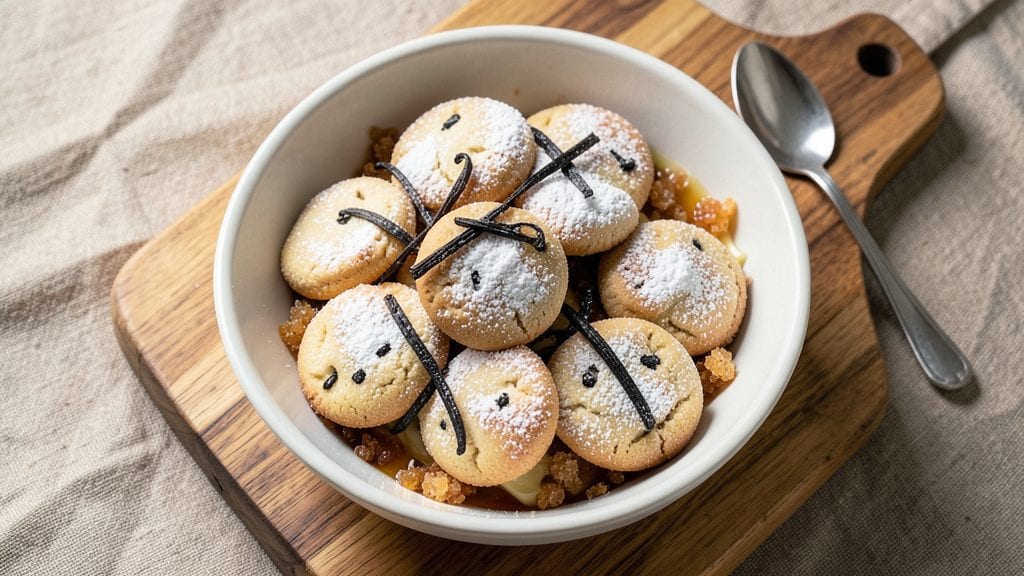
This custard cookies recipe delivers the perfect balance of crispy edges and pillowy centers that stay soft for days—a texture most recipes fail to achieve. The secret lies in a precise custard filling that transforms ordinary sugar cookies into something extraordinary, with a tender crumb that defies the oven’s heat.
I developed this recipe after years of testing, ensuring every bite delivers that signature custard flavor without becoming dense or dry.
What sets these apart is the two-stage baking process: cookies first bake until just set, then finish with the custard filling, which steams gently to create that signature softness.
The dough requires only basic ingredients—flour, butter, sugar, and vanilla—but the technique transforms them into a dessert that feels like a bakery secret. No special equipment is needed, just patience and attention to timing.
The result is a cookie with a crisp exterior that gives way to a custard center so tender it melts in your mouth. The flavor is rich, with notes of vanilla and warm spices that linger long after the last bite.
These cookies stay fresh for days when stored properly, making them perfect for holidays, gifts, or satisfying a late-night sweet tooth.
For added indulgence, you can drizzle them with chocolate glaze or sprinkle flaky sea salt before baking. The variations are endless, but the core technique remains the same: perfect texture every time. Let’s get started on creating these crowd-pleasing treats.
Ingredients for custard cookies
Basic pantry staples transform into bakery-style custard cookies with this foolproof recipe.
| Ingredient | Amount | Notes |
|---|---|---|
| All-Purpose Flour 🌾 | 3 cups | Sifted for light texture |
| Unsalted Butter 🧈 | 1 cup | Cold, cubed for dough |
| Granulated Sugar 🍚 | 1 cup | Superfine preferred for smoothness |
| Light Brown Sugar 🍚 | ½ cup | Packed, for chewiness |
| Pure Vanilla Extract 🌿 | 1 tbsp | High-quality, like Nielsen-Massey |
| Large Eggs 🥚 | 2 whole | Room temperature for blending |
| Heavy Whipping Cream 🥛 | 1 cup | Full-fat for custard richness |
| Granulated Sugar 🍚 | 1 cup | For custard filling |
| Cornstarch 🌾 | 2 tbsp | For custard stability |
| Salt 🧂 | ½ tsp | Fine sea salt preferred |
| Ground Cinnamon 🌶️ | 1 tsp | Warm, aromatic variety |
| Ground Nutmeg 🌶️ | ¼ tsp | Freshly grated if possible |
| Dark Chocolate Chips 🍫 | ½ cup | Optional, for filling drizzle |
| Flaky Sea Salt 🧂 | 1 tsp | For finishing touch |
The butter and sugar combo is non-negotiable for that signature texture. Use European-style butter like Plugrá if you can—it’s higher in fat and gives a richer flavor. The vanilla matters too: Nielsen-Massey or McCormick are my go-tos, but anything pure works. For the dough, sift the flour to avoid dense cookies, and don’t overmix—just combine until it comes together. The two-stage baking process is where the magic happens, so trust the timing even if it feels long. And if you’re short on time, cold butter works too—just pulse it in the food processor longer.
No vanilla extract? Vanilla bean paste or even vanilla sugar can substitute, but the flavor won’t be as pure. Running out of cornstarch? Arrowroot powder works 1:1, but custard might be slightly less stable. For the spices, Penzeys or Spicewalla have the best ground cinnamon and nutmeg—avoid the dusty, old jars at the grocery store. The chocolate chips? Ghirardelli or Enjoy Life are my picks for melting perfectly. And if you’re feeling fancy, swap the sea salt for Maldon flaky salt—it’s worth the splurge for that perfect crunch.
These cookies stay fresh for 5-7 days in an airtight container, but the custard filling gets even better after a day or two. Freeze the unbaked dough balls for up to 3 months—just bake straight from frozen, adding 2-3 minutes to the time. For the filling, store it separately in the fridge and assemble right before serving. And if you’re making these for a crowd, double the dough—they disappear fast!
Why You'll Love This Recipe
- No Mixer Needed: I swear by this dough—just cream butter and sugars until it’s light, then fold in flour. No stand mixer, no fuss, and the texture comes out just right.
- Vanilla Bomb: That pure vanilla extract? It’s the star. The cookies have this warm, custardy depth that’s not overly sweet—just rich and satisfying, like a hug in cookie form.
- Holiday or Snack: I’ve made these for Christmas cookie platters, but they’re just as great with a cup of coffee on a lazy afternoon. The dough even freezes well, so I keep a batch on hand.
- Budget-Friendly Luxury: Butter and sugar are the stars here, but they stretch far. A single batch yields 24 cookies, and the flavor feels indulgent without breaking the bank—especially when you use brown sugar for that caramel note.
Step-by-step instructions for custard cookies recipe
Here's how to create cookies with a luscious custard center that stays soft and gooey for days.
Prepare the Cookie Dough
In a large mixing bowl, combine the 3 cups all-purpose flour, 1 tsp ground cinnamon, 0.25 tsp ground nutmeg, and 0.5 tsp salt. Whisk until evenly distributed—this ensures your cookies have that perfect warm spice flavor throughout. In a separate bowl, cream together the 1 cup unsalted butter and 1 cup granulated sugar using an electric mixer on medium speed until light and fluffy, about 3-4 minutes. The mixture should nearly double in volume and look pale and airy.
Gradually add the 2 whole large eggs, one at a time, mixing well after each addition. Then stir in the 1 tbsp pure vanilla extract and 0.5 cup packed light brown sugar. Finally, fold in the 0.5 cup dark chocolate chips if using—this adds a rich contrast to the creamy custard filling. The dough should be soft but not sticky; if it is, chill it for 15 minutes before proceeding.
Make the Custard Filling
In a medium saucepan, combine the 1 cup heavy whipping cream, 1 cup granulated sugar, and 2 tbsp cornstarch. Cook over medium heat, stirring constantly, until the mixture thickens and reaches a smooth, pudding-like consistency—this should take about 5-7 minutes. The custard is ready when it coats the back of a spoon and leaves a clean trail when you run your finger through it.
Remove the pan from heat and let the custard cool to room temperature. Once cooled, transfer it to a piping bag fitted with a small round tip. This will allow you to pipe neat, even dollops of custard into your cookies. If you don’t have a piping bag, a plastic ziplock bag with a tiny corner snipped off works just as well.
Assemble and Bake the Cookies
Preheat your oven to 350°F and line two baking sheets with parchment paper. Using a cookie scoop or spoon, drop rounded tablespoon-sized portions of dough onto the prepared sheets, spacing them about 2 inches apart. Flatten each dough ball slightly with your palm to create a well in the center.
Pipe a small dollop of the custard filling into the center of each cookie. Gently press the edges of the dough inward to seal the custard inside, creating a dome shape. Sprinkle each cookie with a pinch of flaky sea salt—this enhances the sweetness and adds a delightful contrast. Bake for 12-15 minutes until the edges are set but the centers still look slightly underdone. They’ll firm up as they cool.
Finish and Serve
Allow the cookies to cool on the baking sheet for 5 minutes before transferring them to a wire rack. The centers should still be soft and custardy when you cut into one—this is the hallmark of a perfect custard cookie. If they cool completely and harden, simply warm them in the oven at 300°F for 2-3 minutes to restore their pillowy texture.
Serve these cookies warm for the ultimate experience, or store them in an airtight container at room temperature for up to 5 days. The custard filling will stay creamy and delicious, making these cookies a showstopper for any occasion. Enjoy them with a cup of coffee or tea for the perfect treat!
Pro Tips For Making Custard Cookies
- Cream Butter Properly: I learned this the hard way—cold butter means tough cookies. Use room-temperature butter (about 65°F) and beat it with the sugars until it’s pale and fluffy. That’s the moment the dough starts singing.
- Sift the Flour Twice: Your future self will thank you. Sift the flour before mixing, then sift it again into the dough. This cuts lumps and guarantees a silky texture—no one wants a gritty custard cookie.
- Don’t Overbake: Custard cookies are delicate. Pull them when the edges are just set and the centers still look soft—about 8-10 minutes at 350°F. They’ll firm up as they cool. Overbaking turns them into hockey pucks.
- Use Real Vanilla: Skip the imitation—it’s the difference between "meh" and "wow." A high-quality vanilla extract (like Madagascar bourbon) adds depth. Add it last so the flavor doesn’t cook off. A little goes a long way.
Make-ahead tips for this dish
Dough Prep Ahead
Shape your cookie dough into 1-inch balls and place them on a parchment-lined tray. Cover tightly with plastic wrap and refrigerate for up to 48 hours. I like to do this the night before baking—it intensifies the flavors and makes the dough easier to handle.
For longer storage, freeze the dough balls on the same tray for 3 months, then bake straight from frozen by adding 2-3 extra minutes to the baking time. 🧊
Filling Prep
Prepare the custard filling up to 2 days ahead and store it in an airtight container in the fridge. It thickens slightly as it sits, so stir it gently before piping.
For a shortcut, make the filling first thing in the morning and keep it at room temperature while you prep the dough. If it thickens too much, reheat it gently in the microwave for 10-15 seconds, stirring until smooth. 🍮
Assemble Early
Pipe the custard into the dough wells and seal the cookies, then place them on a tray lined with parchment. Cover with plastic wrap and refrigerate for 1 hour before baking. This chilling step prevents the custard from leaking out during baking and ensures a cleaner final product.
I often do this step in the morning so the cookies can bake fresh in the afternoon. 🕒
Bake in Batches
Bake only one tray at a time to avoid overcrowding, which can lead to uneven baking. If you’re making a big batch, rotate trays halfway through the bake time for even heat distribution.
The oven should be fully preheated before each batch—this ensures consistent results. For a busy schedule, bake half the cookies in the morning and the other half in the evening. 🔥
Storage Secrets
Store baked cookies in an airtight container at room temperature for up to 5 days. The custard stays creamy, but the cookies are best enjoyed within the first 2 days for peak freshness.
To revive slightly stale cookies, warm them in the oven at 300°F for 2-3 minutes—they’ll soften right up. For gifting, package individual cookies in cellophane bags with a ribbon for a bakery-style presentation. 🎁
Freezing Baked Cookies
If you’ve made more than you can eat, freeze the baked cookies in a single layer on a tray for 1 hour to prevent sticking. Transfer them to a freezer bag and store for up to 3 months.
To serve, thaw at room temperature for 30 minutes or warm directly from frozen in the oven at 300°F for 3-4 minutes. The custard filling may lose some of its creaminess after freezing, but it’s still delicious. ❄️
Nutrition facts
Frequently asked questions
Why do these custard cookies need two baking stages?
The two-stage process ensures a perfect texture: first baking sets the cookie exterior to a crispy edge, while the second stage (when the custard steams) keeps the center pillowy. This prevents the filling from overcooking into a hard center. Think of it like baking a pie crust—you want the edges done while the inside stays tender.
Can I substitute the heavy cream in the custard filling?
Yes! For a lighter version, use whole milk + 2 tbsp butter (simmered until thickened), or half-and-half for a richer taste. Avoid skim milk—it won’t give the same creamy texture. The cornstarch is key for stability, so don’t skip it even with substitutions.
What if my custard filling leaks during baking?
This usually happens if the dough isn’t chilled enough before baking. Press the edges firmly to seal the filling, and refrigerate assembled cookies for 1 hour before baking. If it still leaks, reduce the custard amount slightly or bake at 325°F instead of 350°F to slow the cooking process.
How can I make these cookies nut-free or gluten-free?
For nut-free, simply omit the chocolate chips or use dairy-free chocolate. For gluten-free, swap the flour for a 1:1 GF blend (like Bob’s Red Mill) and ensure your cornstarch is GF. The custard filling remains unchanged—just verify all ingredients meet your dietary needs. The texture may be slightly denser but still delicious!
Can I add other flavors to the custard filling?
Try 1 tsp lemon zest + 1 tbsp lemon juice for a bright twist, or add ½ tsp cardamom for warmth. For chocolate lovers, mix in 2 tbsp melted chocolate** with the cooled custard. Just reduce the sugar slightly if using strong flavors like coffee or orange extract.