Desserts
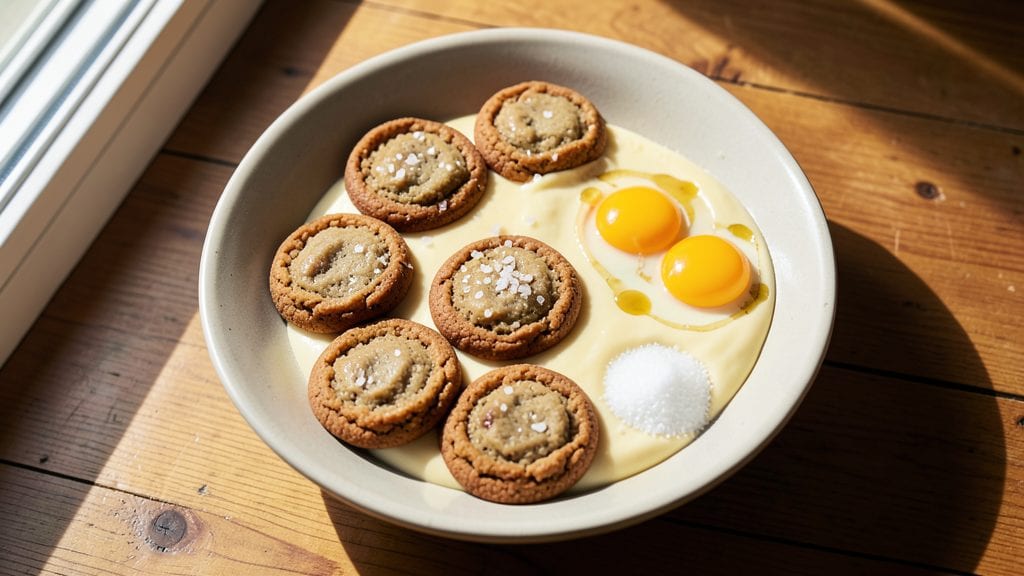
Transforming a Betty Crocker cake mix into foolproof cookies is the ultimate baking shortcut—no fancy ingredients, no complicated steps, just 3-ingredient magic that delivers soft, chewy cookies every time. I’ve tested this recipe dozens of times, and it never fails to impress, even with picky eaters.
The secret lies in the right ratio of mix to butter and eggs, plus a few pro tips to avoid dense cookies or dry crumbs.
This recipe is designed for effortless success, requiring just 15 minutes of prep and 10–12 minutes in the oven. You’ll need one box of Betty Crocker cake mix (any flavor works), butter, and eggs—no extra sugar, no extra flour, no stress.
The texture comes out perfectly tender with a slight crisp at the edges, and the flavor stays rich and true to the original mix.
What makes these cookies stand out is their versatility—use them for holiday gifts, school bake sales, or a quick treat after dinner. The dough is sturdy enough for scooping but soft enough to roll into balls, and the aroma filling your kitchen will have everyone asking for seconds.
Once you try this method, you’ll never buy store-bought cookies again.
Ready to bake? The instructions are straightforward, with temperature cues and timing tips to ensure golden, evenly baked cookies every batch. Whether you’re a beginner or a seasoned baker, this recipe delivers restaurant-quality results with minimal effort. Let’s get started!
Ingredients for cookies from cake mix recipe betty crocker
Three core ingredients plus a few pro additions for foolproof cookies every time.
| Ingredient | Amount | Notes |
|---|---|---|
| Betty Crocker Super Moist Cake Mix 🍪 | 1 box | Any flavor works, vanilla recommended |
| Unsalted Butter 🧈 | 1 cup | Cold, cubed for best texture |
| Large Eggs 🥚 | 2 whole | Room temperature preferred |
| Vanilla Extract 🌿 | 1 tsp | Pure vanilla extract |
| Granulated Sugar 🍚 | ¼ cup | For dough binding (optional) |
| Sea Salt 🧂 | ½ tsp | Fine grain for sprinkling |
| Semisweet Chocolate Chips 🍫 | 1 cup | Nestlé or Ghirardelli preferred |
| Mini Chocolate Chips 🍫 | ½ cup | For extra texture contrast |
| All-Purpose Flour 🌾 | ¼ cup | For dough consistency |
The cake mix is the foundation, so Betty Crocker Super Moist is ideal—it has the perfect balance of fat and moisture for cookies. Any flavor works, but vanilla or chocolate mixes yield the most consistent results. For butter, Land O'Lakes or Plugrá brands work best when cold, as they hold their shape during mixing. The eggs should be room temperature—cold eggs can cause the dough to seize. If you're in a hurry, microwave them for 20 seconds to warm up. The vanilla extract is non-negotiable for flavor depth, but if you're out, almond extract at half the amount adds a nice twist.
No vanilla extract? Vanilla bean paste works in a pinch—use the same amount. The granulated sugar is optional but helps bind the dough if your mix feels too dry. For chocolate lovers, Nestlé or Ghirardelli chocolate chips melt beautifully, but Enjoy Life brand is a great allergy-friendly alternative. If you prefer white chocolate, use half the amount since it melts differently. The all-purpose flour is a secret weapon—it prevents crumbly dough, especially if you're using a mix with less fat. King Arthur or Gold Medal brands are my go-tos for consistent results.
The dough keeps best in the fridge for up to 48 hours, wrapped tightly in plastic. For longer storage, freeze portions for up to 3 months—just let them thaw for 10 minutes before baking. Baked cookies stay fresh for 5 days in an airtight container, but they're best enjoyed within 2 days. Pro tip: Sprinkle the tops with flaky sea salt right after baking while they're still warm—it enhances the sweetness and adds a gourmet touch. Double batches freeze beautifully for holiday gifting.
Why You'll Love This Recipe
- Here’s what sold me: that rich, buttery flavor with just enough vanilla warmth to make them taste homemade. The cake mix already has the base covered, but adding the extra sugar and butter? Instantly upgrades them from "okay" to "I’ll take two more."
- I’ll be real: this recipe’s a budget win. The ingredients are cheap, and the dough makes way more cookies than you’d expect. Plus, they freeze like a dream—perfect for when you bake once and eat for weeks. My freezer’s always stocked with these.
Step-by-step instructions for Betty Crocker cake mix cookies
This method transforms simple ingredients into rich, chewy cookies with minimal effort.
Cream the Butter and Sugar
In a large mixing bowl, combine the 1 cup unsalted butter and 0.25 cup granulated sugar. Using an electric mixer on medium speed, beat for 2-3 minutes until the mixture is light and fluffy. You'll see the butter soften and the sugar dissolve completely, creating a pale yellow cream. This step is crucial for achieving that classic cookie texture—don't rush it.
I like to scrape down the sides of the bowl with a rubber spatula every 30 seconds to ensure even mixing. The butter should be fully incorporated with no visible lumps, and the mixture should hold its shape when you lift the beaters. This ensures your cookies will have that perfect balance of chewiness and tenderness.
Incorporate Wet Ingredients
Add the 2 whole large eggs, one at a time, mixing well after each addition. Then stir in the 1 teaspoon vanilla extract and 0.5 teaspoon sea salt. The mixture will look slightly curdled at first, but that's normal. Mix on low speed for another 30 seconds until everything is completely combined and smooth.
Here's where the cake mix comes in—add the 1 box Betty Crocker Super Moist Cake Mix and the 0.25 cup all-purpose flour. Mix on low speed for 30-45 seconds until just combined. You want to see a few flour streaks remaining, but no dry pockets. Overmixing develops gluten and makes cookies tough, so be gentle. The dough should be thick and slightly sticky but manageable.
Fold in Chocolate Chips
Using a silicone spatula, gently fold in the 1 cup semisweet chocolate chips and 0.5 cup mini chocolate chips. Work quickly but carefully to distribute them evenly throughout the dough without breaking up the chocolate. You'll see the chips dispersed in clusters—this is perfect for those surprise bites of melted chocolate in every cookie.
At this point, the dough will be quite thick. If it seems too stiff to handle, you can press it into a ball and let it rest at room temperature for 5 minutes. This helps distribute the moisture evenly, making it easier to portion. The dough should hold together when pressed gently but still be soft enough to shape into balls.
Chill and Prepare for Baking
Divide the dough into 24 equal portions (about 1 tablespoon each) and roll them into balls. Place them on a parchment-lined baking sheet, spacing them about 2 inches apart. Cover the sheet with plastic wrap and refrigerate for at least 30 minutes, or up to 24 hours. Chilling prevents excessive spreading and helps develop flavor.
While the dough chills, preheat your oven to 375°F. This temperature ensures even baking without burning the edges. The dough will firm up nicely in the fridge—press one gently to test. If it holds its shape when pressed with your finger, it's ready to bake. If it's still too soft, chill another 15 minutes.
Bake to Golden Perfection
Bake the cookies for 9-11 minutes, rotating the sheet halfway through, until the edges are golden brown and the centers still look slightly underdone. They'll continue cooking on the hot baking sheet after removal. Watch carefully—they go from perfect to overdone quickly. You want them to pull away slightly from the edges but remain soft in the center.
Let the cookies cool on the baking sheet for 5 minutes before transferring them to a wire rack to cool completely. The centers will firm up as they cool, but they should still be soft and chewy inside. For best results, serve warm—they're at their peak texture and flavor right out of the oven. Store any leftovers in an airtight container for up to 5 days.
Pro Tips For Making Cookies From Cake Mix Recipe Betty Crocker
- CREAM BUTTER FIRST: The recipe calls for softened butter, but I learned the hard way—room temperature means you should be able to press it gently and leave a slight indent. If it’s too firm, the dough gets tough. Stick a stick in the fridge for 10 minutes if yours is stubborn (yes, even if you’re impatient like me).
- WEIGH EGGS LIKE A PRO: Crack those eggs into a measuring cup first—Betty Crocker’s recipe assumes you’re using large eggs, but liquid eggs or odd-sized ones mess with the texture. If you’re short, add a splash of milk, but don’t skip the 2-tablespoon vanilla. It’s the thing that makes these taste homemade, not boxed.
- BAKE UNTIL GOLDEN, NOT PALE: The recipe’s baking time is a starting point, but your oven lies. Check at 9 minutes—these cookies spread fast. They’re done when the edges are set but the centers still look slightly underdone. Pulling them too soon makes them cakey; leaving them in turns them dry. Trust your eyes, not the clock.
- SWAP SUGAR FOR BROWN: Skip the granulated sugar called for in the recipe and use half white, half light brown. The extra molasses caramelizes faster, giving the edges that classic cookie crunch without burning. (I know, I know—it’s an extra step, but your cookies will taste like they came from a bakery.)
Troubleshooting this dish
Dense or Flat Cookies
If your cookies turn out dense or flat, the issue is likely overmixing or underbaked dough. I’ve found that mixing the cake mix and flour for more than 45 seconds develops too much gluten, leading to tough cookies.
To fix this, mix just until combined—you should still see a few flour streaks. Also, ensure your oven is fully preheated to 375°F and bake for the full 9-11 minutes. Underbaking causes flat cookies that spread excessively. 🔥
Dry or Crumbly Texture
A dry or crumbly texture usually means the dough lacked moisture. The cake mix itself might be old, or you may have skipped the optional ¼ cup granulated sugar or ¼ cup flour. To prevent this, always check the expiration date on your mix—old mixes absorb moisture differently.
If the dough feels too dry, add 1 teaspoon milk or water and mix gently. For future batches, chill the dough longer (up to 24 hours) to let the fat redistribute and hydrate the mix properly.
Excessive Spreading
Cookies spreading too much often happens when the butter isn’t cold enough or the dough isn’t chilled long enough. I recommend using cold, cubed butter straight from the fridge and chilling the dough for at least 30 minutes.
If your kitchen is warm, extend the chill time to 1 hour. Also, avoid overloading the dough with chocolate chips—stick to the 1.5 cups total ratio. For extra insurance, flatten the dough balls slightly before baking to reduce surface area.
Raw Centers
Raw centers occur when cookies don’t bake long enough or the oven isn’t hot enough. Always bake until the edges are golden brown and the centers look just set but still slightly soft. If your oven runs hot, reduce the temperature to 350°F and bake for 12-13 minutes.
For even baking, rotate the sheet halfway through. Let cookies rest on the baking sheet for 5 minutes before transferring—they’ll firm up as they cool. 💡
Burnt Edges
Burnt edges are a sign of overbaking or an oven that’s too hot. To prevent this, use an oven thermometer to confirm your oven reads 375°F. If your oven runs hot, reduce the temperature by 25°F and bake for 10-12 minutes.
Another trick is to place a small baking sheet on the rack below your cookie sheet to reflect heat upward more evenly. Remove cookies as soon as the edges are golden—they’ll continue cooking off the heat.
Dough Sticks to Hands
Sticky dough happens when the mix is too wet or the butter isn’t fully incorporated. To fix this, wet your hands with cold water before shaping the dough balls—this prevents sticking without adding extra moisture. If the dough is too wet, add 1-2 tablespoons all-purpose flour and mix gently.
For future batches, ensure the butter is cold but not frozen when creaming—this creates the right balance of fat and moisture in the dough.
Nutrition facts
Frequently asked questions
Can I use any Betty Crocker cake mix flavor for these cookies?
Yes! Any Betty Crocker Super Moist cake mix works, but vanilla or chocolate flavors yield the most consistent results. The moisture content in these mixes is ideal for cookie dough, but avoid spice mixes like pumpkin or carrot—they may alter the texture. For best flavor, stick with classic vanilla or rich chocolate.
Why do I need to chill the dough before baking?
Chilling prevents excessive spreading and helps develop flavor. The dough firms up, making it easier to handle and ensuring even baking. Skip this step and your cookies may flatten too much. For extra insurance, refrigerate for 1 hour if your kitchen is warm.
Can I make these cookies without chocolate chips?
Omit the chocolate chips for a classic cake-mix cookie. For variety, try adding ½ cup white chocolate chips or ½ cup dried cranberries. The recipe remains flexible—just adjust the baking time by 1 minute if using extra mix-ins.
How do I store leftover cookies?
Store in an airtight container at room temperature for 5 days or freeze for 3 months. For freshness, place parchment paper between layers. Reheat in a 350°F oven for 2-3 minutes to restore chewiness.
What if my oven isn't 375°F?
Use an oven thermometer to check accuracy. If your oven runs hot, reduce to 350°F and bake for 12-13 minutes. For cold ovens, increase to 400°F and bake for 8-9 minutes. Always rotate the pan halfway for even baking.