
Desserts
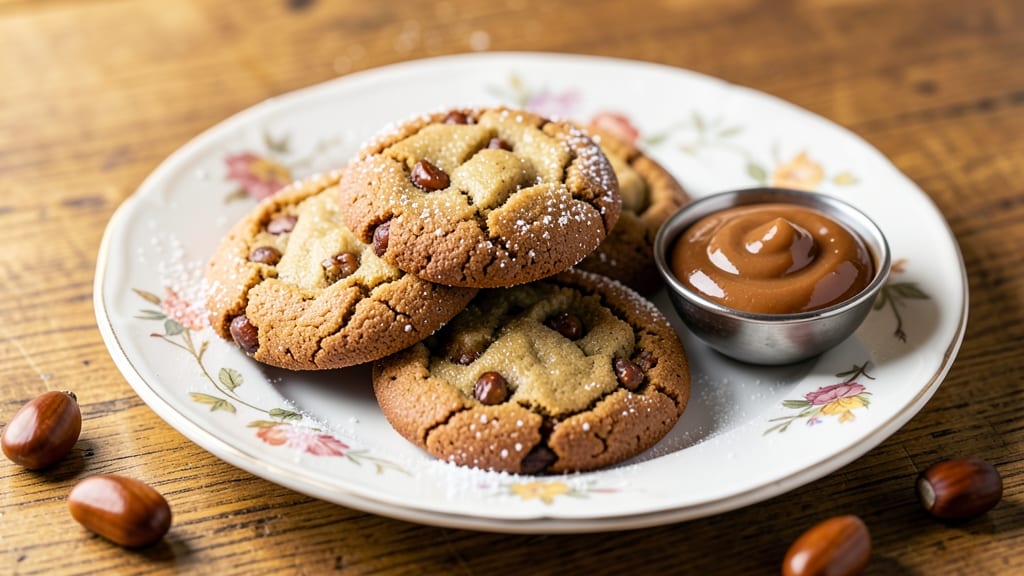
This chestnut cookies recipe delivers the perfect balance of nutty earthiness and satisfying crunch—ideal for holiday baking or special occasions. The secret lies in blending chestnut purée into the dough, which creates a rich, toasty flavor that pairs beautifully with butter and brown sugar.
I’ve perfected this recipe over years of baking, ensuring every batch turns out tender yet crisp at the edges, with a texture that’s both rustic and refined.
The process is straightforward but requires attention to detail, especially when preparing the chestnut purée. Whether you roast fresh chestnuts or use canned purée, the result is the same: a cookie with deep, complex flavor that stands out from traditional nut cookies.
These cookies hold their shape well, making them perfect for gifting or serving at gatherings where presentation matters.
What makes these cookies truly special is their ability to satisfy both sweet and savory cravings—thanks to the chestnut’s natural sweetness and subtle earthiness. The dough comes together quickly, and baking time is precise, ensuring a golden-brown finish without overcooking.
Once cooled, the aroma alone will draw people in, promising a taste experience that’s both nostalgic and sophisticated.
Store them in an airtight container for up to a week, or freeze for longer shelf life. Pair with a glass of milk or espresso for the ultimate indulgence. Let’s get baking—these cookies are worth every minute of effort.
Ingredients for chestnut cookies
Chestnut purée, butter, and toasted walnuts—this trio creates cookies that taste like fall in every bite.
| Ingredient | Amount | Notes |
|---|---|---|
| Chestnut Purée 🌰 | ½ cup | Homemade or canned, unsweetened |
| Unsalted Butter 🧈 | 1 cup | Cold, cubed for dough |
| Light Brown Sugar 🍯 | ¾ cup | Packed, not firmly |
| Granulated Sugar 🍚 | ¼ cup | For balanced sweetness |
| Large Eggs 🥚 | 1 whole | Room temperature preferred |
| Vanilla Extract 🌿 | 1 tsp | Pure, high-quality |
| All-Purpose Flour 🌾 | 1 ½ cups | Sifted for light texture |
| Baking Soda 🧂 | ½ tsp | Freshly measured |
| Fine Sea Salt 🧂 | ½ tsp | Kosher or table salt |
| Ground Cinnamon 🌿 | ½ tsp | Toasted for warmth |
| Toasted Walnuts 🌰 | ½ cup | Chopped, optional crunch |
The chestnut purée is the star, so don’t cut corners. Homemade? Roast fresh chestnuts until tender, then blend into a smooth purée—Costco or Trader Joe’s sell pre-made if you’re short on time. Canned works too, just drain it well. The butter should be cold and cubed—this keeps the dough from spreading too much. For walnuts, toast them in a dry pan until fragrant (about 5 minutes), then chop roughly. Store-bought toasted walnuts save time, but fresh tastes better. The brown sugar? Pack it tightly—light brown adds moisture, while dark brown deepens the caramel notes.
No chestnut purée? Substitute with 0.25 cup extra walnut purée (blend walnuts with a splash of water), but the flavor won’t be identical. Short on butter? Coconut oil in equal amounts works, but texture suffers slightly. The vanilla extract can be swapped for 1 tsp vanilla bean paste if you’re feeling fancy. For the flour, King Arthur or Gold Medal brands are my go-tos—they’re reliable and sift beautifully. If you’re gluten-free, swap the all-purpose flour for a 1:1 gluten-free blend (like Bob’s Red Mill), but add an extra 0.25 tsp xanthan gum for structure.
These cookies keep for 5-7 days in an airtight container at room temperature, but they’re best enjoyed fresh. For longer storage, freeze the dough balls (before baking) for up to 3 months)—bake straight from frozen, adding 1-2 minutes to the time. Once baked, let them cool completely before storing. They’re perfect for gifting—wrap in cellophane with a holiday ribbon for a festive touch. Pair with a glass of chilled milk or espresso to highlight their nutty depth.
Why You'll Love This Recipe
- Five-Ingredient Magic: I swear by this recipe because it’s that simple—just chestnut purée, butter, two sugars, and eggs. No fancy mixers, no last-minute ingredient hunts. Honestly, I’ve made it from my dorm kitchen with a hand mixer and a spoon.
- Nutty, Buttery Bliss: That chestnut purée gives them a rich, earthy depth you won’t find in vanilla cookies. The brown sugar caramelizes just enough to make every bite taste like autumn in a bite—crisp edges, soft center, and a whisper of toasted nut flavor.
- Holiday or Snack Attack: Between us, these are my go-to for cookie swaps and lazy Sundays. They freeze beautifully, so I bake a batch in November and pull them out all winter. (Yes, even on a Tuesday night when I just need something sweet.)
- Budget-Friendly Luxury: Chestnut purée might sound fancy, but it’s cheaper than buying pre-made dough. A jar lasts for multiple batches, and the butter/sugar combo stretches further than you’d think. Plus, leftovers? They vanish faster than I can say “second cup of coffee.”
Step-by-step instructions for chestnut cookies
Here's how to create these rich, nutty cookies with perfect texture every time!
Cream the Butter and Sugars Together
In a stand mixer fitted with the paddle attachment, beat the 1 cup unsalted butter (cold and cubed) with the 0.75 cup light brown sugar and 0.25 cup granulated sugar on medium speed for 3-4 minutes. You'll notice the mixture lighten in color and nearly double in volume as air gets incorporated. This step is crucial for creating that tender, melt-in-your-mouth texture we want in these cookies.
I like to scrape down the sides of the bowl with a rubber spatula every minute to ensure everything gets evenly creamed. The butter should look fluffy and pale—almost like whipped cream. If it still looks grainy after 4 minutes, keep mixing until completely smooth. This ensures your cookies will have that perfect balance of crisp edges and soft centers.
Mix in Wet Ingredients and Chestnut Purée
Add the 0.5 cup chestnut purée to the creamed mixture and mix on low speed until fully combined. The chestnut purée adds that distinctive earthy flavor and moisture that sets these cookies apart. Next, add the 1 whole large egg and mix for another 30 seconds until just incorporated.
Finally, stir in the 1 teaspoon vanilla extract and mix for 10 seconds to distribute it evenly. The vanilla enhances the chestnut flavor beautifully, giving these cookies a warm, aromatic quality. This is also when I add a pinch of extra vanilla if I have it—just to take these cookies to the next level. The mixture should be smooth and well-combined at this point.
Combine Dry Ingredients and Fold in Walnuts
In a separate bowl, whisk together the 1.5 cups all-purpose flour, 0.5 teaspoon baking soda, 0.5 teaspoon fine sea salt, and 0.5 teaspoon ground cinnamon. Sift the dry ingredients if possible to prevent lumps in your final dough. Gradually add the dry mixture to the wet ingredients, mixing on low speed just until combined.
Remove the bowl from the mixer and fold in the 0.5 cup toasted walnuts using a silicone spatula. I like to press the walnuts into the dough slightly so they're evenly distributed throughout. The walnuts add a delightful crunch that contrasts perfectly with the soft cookie texture. If you're using larger walnut pieces, you might want to chop them slightly smaller for even distribution.
Chill the Dough for Perfect Texture
Cover the dough bowl with plastic wrap and refrigerate for at least 1 hour, or up to 24 hours if you have time. This chilling step is absolutely essential for two reasons: first, it prevents the cookies from spreading too much in the oven, and second, it allows the flavors to meld together beautifully. The chestnut purée can be quite moist, so this step helps the dough firm up just enough to handle.
I usually set a timer for the hour so I don't forget—these cookies taste even better when made the day before! The dough should be firm enough to scoop easily but still pliable. If you're short on time, you can chill the dough in the freezer for 30 minutes instead, but I find the refrigerator gives the best results.
Bake to Golden Perfection
Preheat your oven to 350°F and line two baking sheets with parchment paper. Scoop the chilled dough into 1.5-tablespoon portions (about 1 tablespoon for smaller cookies) and place them 2 inches apart on the prepared sheets. The dough will be soft but should hold its shape when dropped.
Bake for 10-12 minutes until the edges are golden brown and the centers look just slightly underdone. The cookies will continue cooking on the baking sheet after you remove them from the oven. I like to rotate the pans halfway through baking to ensure even browning. Let the cookies cool on the baking sheet for 5 minutes before transferring to a wire rack to cool completely.
These chestnut cookies should have crisp edges and a soft, slightly chewy center with pockets of gooey chestnut flavor. The walnuts will be perfectly toasted and crunchy. Enjoy them warm with a glass of milk or save them in an airtight container for up to 5 days—they taste even better the next day!
Pro Tips For Making Chestnut Cookies
- Chill the Dough: After mixing chestnut purée with butter and sugars, let the dough rest uncovered in the fridge for at least 2 hours—preferably overnight. I used to skip this, and the cookies spread into flat, sad pancakes. Cold butter behaves better, and the flavors meld into something richer.
- Strain That Purée: Run your chestnut purée through a fine-mesh sieve before mixing it into the dough. Lumps of skin or fiber make the texture gritty, and no one wants to bite into a cookie that feels like it’s hiding sand. Takes 30 seconds but makes a real difference.
- Don’t Overmix Eggs: Whisk the eggs just until combined—no need for fluffy peaks. Overmixing adds air that can make the cookies spread too much or crack as they bake. I learned this after watching my first batch turn into chestnut pancakes instead of cookies.
- Use Room-Temp Butter: Let the unsalted butter sit out for 1-2 hours before creaming it with the sugars. Cold butter creates pockets of air that don’t dissolve, leading to dense cookies. Softened butter blends smoothly and gives that classic tender crumb. (Yes, even if you’re impatient like me.)
Make-ahead tips for this dish
Dough Prep Ahead
Make the dough 1-2 days in advance—it develops deeper flavor when chilled. I like to portion it into 1.5-tablespoon balls and store them in a single layer on a parchment-lined tray, covered with plastic wrap.
Place the tray in the fridge for up to 48 hours—this prevents the dough from sticking together. The cold dough also bakes more evenly, reducing the risk of over-spreading. 🌰
Freeze for Later Baking
For maximum convenience, freeze the dough balls right after chilling. Arrange them on a tray, freeze solid (about 1 hour), then transfer to a ziplock freezer bag or airtight container. They’ll keep for up to 3 months.
When ready to bake, simply drop frozen dough balls directly onto the baking sheet—no thawing needed! Add 1-2 extra minutes to the baking time since they’ll start cold.
Baked Cookies Storage
Let cookies cool completely before storing in an airtight container with parchment paper between layers. They’ll stay fresh for 5-7 days at room temperature, but I recommend eating them within 3 days for peak texture.
For longer storage, freeze baked cookies in a single layer on a tray, then transfer to a container. Reheat in a 350°F oven for 3-5 minutes to revive their crisp edges.
Gift-Worthy Packaging
Wrap cooled cookies in cellophane bags tied with ribbon for a festive touch. I like to add a small card with the recipe name and date—it makes them feel special! Store the packaged cookies in a cool, dark place (like a pantry) for up to 5 days.
For holiday gifting, include a mini jar of vanilla extract or a bag of walnuts to recreate the flavor at home.
Make-Ahead Baking Schedule
Plan ahead with this timeline: Day 1—make dough, chill overnight. Day 2—scoop and freeze dough balls (if needed). Day of baking—thaw frozen dough for 30 minutes or bake straight from frozen.
This method ensures you’re never rushed, and the cookies taste freshly baked every time. The chestnut flavor intensifies over time, making them even more delicious when served later. ✨
Nutrition facts
Frequently asked questions
Can I substitute chestnut purée with another nut butter?
While you can use walnut or almond butter (about 0.5 cup), the flavor won't be identical. Chestnut purée provides a unique earthy sweetness that pairs perfectly with the butter and brown sugar. For a closer substitute, blend 1 cup walnuts with 2 tablespoons water until smooth. The texture will differ slightly, but it works in a pinch.
Why do my cookies spread too much when baking?
Over-creaming the butter or skipping the chilling step are the most common culprits. Make sure your butter is cold and cubed before creaming, and chill the dough for at least 1 hour. If you're in a hurry, freeze the dough balls for 30 minutes before baking. Also, scoop the dough using a 1.5-tablespoon cookie scoop to maintain consistent size.
How do I make these cookies gluten-free?
Replace the all-purpose flour with a 1:1 gluten-free baking blend (like Bob's Red Mill) and add an extra 0.25 tsp xanthan gum to improve texture. For best results, use a mix that includes xanthan gum already. The cookies may be slightly denser but will still have that rich chestnut flavor. Always test your gluten-free blend first to ensure it works with your recipe.
Can I add chocolate chips to this recipe?
Fold in 0.5 cup dark chocolate chips (60-70% cocoa) or chopped dark chocolate when you add the walnuts. The bitterness of the chocolate will complement the sweet chestnut flavor beautifully. For a festive twist, use white chocolate or sprinkle sea salt on top before baking. Just be mindful that chocolate melts faster, so reduce baking time by 1 minute.
What’s the best way to reheat these cookies?
For crisp edges, place cookies on a baking sheet and warm in a 350°F oven for 3-5 minutes. For a softer texture, microwave for 10-15 seconds (cover with a damp paper towel). Reheating preserves the chestnut flavor while reviving the texture. Store leftovers in an airtight container with parchment paper between layers to keep them fresh longer.