Main Courses
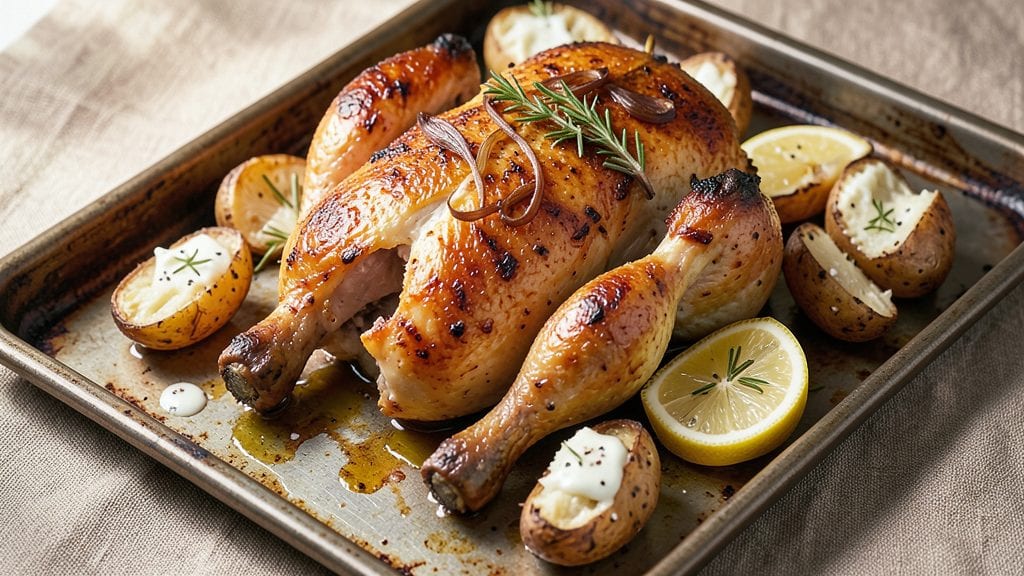
Baking chicken on a cookie sheet delivers crispy, juicy results when you use high heat, proper seasoning, and avoid overcrowding. Preheat the oven to 425°F, pat the chicken dry, and bake for 20-25 minutes for thighs or 15-20 minutes for breasts, flipping halfway.
This method works because high heat creates a perfect sear while keeping the inside tender. 🔥 The key is spacing the pieces evenly so hot air circulates—crowding steams the chicken instead of browning it.
I’ve found that thighs benefit from a slightly longer bake than breasts, thanks to their higher fat content. For extra flavor, try a quick pre-bake rub with garlic powder, paprika, and olive oil before hitting the oven.
Sheet-pan chicken is my go-to for weeknight dinners because it’s hands-off yet customizable. You can toss in potatoes, bell peppers, or onions to turn it into a full meal with zero extra cleanup.
Just remember: parchment paper or aluminum foil makes cleanup a breeze, and always let the chicken rest for 5 minutes after baking to keep those juices locked in.
💡 In This Article
- How Oven Temperature and Cooking Time Affect Chicken Texture
- Best Seasonings and Techniques for Sheet-Pan Chicken
How oven temperature and cooking time affect chicken texture
The Maillard reaction—those beautiful golden-brown spots on your chicken—starts at around 300°F, but it really kicks into high gear between 400°F and 450°F. This chemical reaction between amino acids and sugars creates complex flavors and that coveted crispy crust.
At 425°F, you're giving your chicken the perfect balance: a crispy exterior while keeping the inside juicy. The higher the temperature, the faster the reaction happens, which is why you'll see better browning in less time.
Moisture retention is where cooking time comes into play. Chicken thighs, with their higher fat content (15-20% fat), can handle longer baking times (20-25 minutes) without drying out, while breasts (1-3% fat) need 15-20 minutes max to stay tender.
The fat in thighs acts like a natural insulator, protecting the meat from drying out. Here's what's happening: the fat melts during cooking, creating steam that keeps the muscle fibers moist. That's why thighs stay juicier even when exposed to high heat for longer periods.
Flipping halfway through is your secret weapon for even browning. When you flip the chicken at the 10-12 minute mark, you're ensuring both sides develop that perfect crust. Without flipping, the side touching the sheet pan gets overcooked while the top remains pale.
The key is to flip gently—don't toss it around like a salad. Use tongs to maintain that crispy texture you just created. This technique also helps with heat distribution, especially in home ovens where temperature can vary by 25°F from top to bottom.
Here's what happens when you overcrowd your sheet pan: the pieces steam instead of brown.
The moisture from one piece condenses on nearby pieces, creating a steam bath that turns your chicken into a sad, soggy mess. 🔥 Aim for about 1 inch of space between pieces so hot air can circulate freely.
This isn't just about looks—proper air circulation means more even cooking and better flavor development throughout the entire piece.
Let's talk about that internal temperature: 165°F is your magic number for food safety. For thighs, this typically happens around 20-25 minutes at 425°F, while breasts reach it at 15-20 minutes.
Using a meat thermometer is the only reliable way to know when it's done—guessing leads to either undercooked chicken (yuck) or dry, overcooked chicken (also yuck). The thermometer should read 165°F in the thickest part of the meat, away from bones.
What most people don't realize is that the resting period after baking is just as important as the cooking time itself. When you remove chicken from the oven, those juices are still liquid and need time to redistribute throughout the meat.
If you cut into it too soon, all that flavor runs out onto your plate. Give it 5-10 minutes to rest—this simple step can make the difference between dry chicken and restaurant-quality juiciness. During this time, the muscle fibers also relax, making each bite more tender.