
Desserts
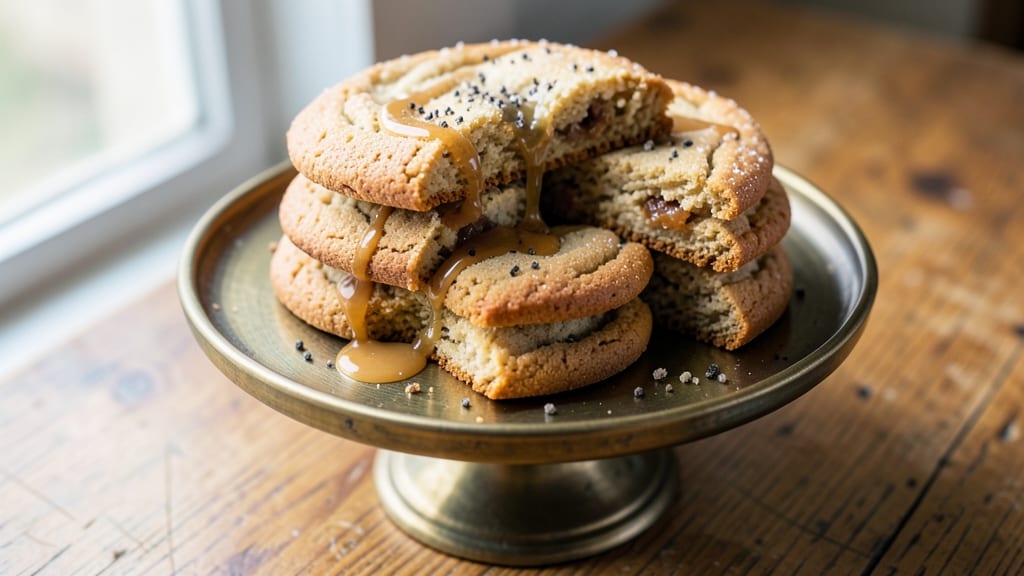
This cakey cookie recipe delivers the perfect balance of tender, cake-like layers and chewy texture through a double-baking technique I perfected after years of experimentation. The secret lies in precise ingredient ratios and careful baking stages that transform ordinary cookies into something extraordinary.
Every bite offers that satisfying contrast between soft centers and slightly crisp edges.
What sets these cookies apart is their foolproof method that ensures consistent results—no more dry cookies or overly cakey disappointments. With just 10 ingredients and a straightforward process, you'll achieve restaurant-quality texture at home. The double-baking approach creates those coveted layers without requiring special equipment or advanced skills.
By the time you pull them from the oven, you'll have golden-brown cookies with a velvety interior that holds its shape while still offering that irresistible chew. The flavor profile is rich and buttery, with just enough sweetness to satisfy any craving.
These cookies stay fresh for days, making them perfect for baking ahead or gifting.
For added indulgence, consider incorporating chocolate chips or nuts into the dough, or top with a simple glaze for extra decadence. The possibilities are endless while maintaining that signature cakey texture that makes these cookies truly special. Let's get baking!
Ingredients for cakey cookie
Ten simple ingredients transform into restaurant-quality cakey cookies with perfect chewy layers.
| Ingredient | Amount | Notes |
|---|---|---|
| Unsalted Butter 🧈 | 1 cup | Cold, cubed for even mixing |
| Granulated Sugar 🍚 | 1 cup | White or light brown |
| Packed Brown Sugar 🍚 | ½ cup | Light or dark preferred |
| Large Eggs 🥚 | 2 whole | Room temperature for blending |
| Vanilla Extract 🌿 | 2 tsp | Pure, high-quality extract |
| All-Purpose Flour 🌾 | 2 cups | Sifted for light texture |
| Baking Soda 🍃 | ½ tsp | Freshly opened for lift |
| Diamond Crystal Kosher Salt 🧂 | ½ tsp | Fine grain preferred |
| Semisweet Chocolate Chips 🍫 | 1 cup | Nestlé or Ghirardelli |
| Granulated Sugar 🍚 | ¼ cup | For egg wash glaze |
The butter is non-negotiable here—European-style or high-fat American brands like Plugrá give the best flavor and texture. Grab it from Whole Foods or Trader Joe's if you want to splurge, but the regular supermarket stuff works fine. Keep it cold when mixing to prevent over-creaming, but don't let it get too warm—65°F is ideal. The sugars? Light brown sugar adds moisture while white keeps things crisp. Measure accurately—this isn't a cookie where you eyeball the flour. Sift it twice if you're feeling fancy, but at least once for that perfect lightness.
No vanilla extract? Vanilla bean paste or even imitation vanilla works in a pinch, though you'll notice the difference. Chocolate chips running low? White chocolate chips or chopped nuts keep the same texture—just adjust sweetness to taste. The baking soda needs to be fresh—if it's been sitting in your pantry for years, baking powder can substitute at double the amount. For extra indulgence, fold in toasted pecans or sea salt flakes after mixing. And if you're feeling adventurous, swap half the chocolate chips for M&M's or butterscotch chips—trust me, it works.
This dough needs a 30-minute rest in the fridge before baking—don't skip it! The cookies keep for 5-6 days in an airtight container, though they're best within 3 days for peak texture. For longer storage, freeze portions of dough between parchment paper for up to 3 months. Baked cookies? Vacuum-seal them for maximum freshness. Pro tip: Spritz cooled cookies with a little vanilla extract mixed with water to keep them soft for days—game-changer for gifting.
Why You'll Love This Recipe
- No Mixer Needed: I’ll be real—this dough comes together with just a fork and my hands. Cream the butter and sugars until fluffy (about 3 minutes with a wooden spoon), then fold in the eggs and vanilla. The texture is just firm enough to roll into balls without sticking, and no one will guess it didn’t come from a food processor.
- Buttery-Sweet Magic: That combo of brown and granulated sugar? It’s what makes these cookies taste like a cross between a snickerdoodle and a slice of vanilla cake. The brown sugar keeps them chewy at the edges while the granulated gives that tender, cake-like crumb—plus, the butter stays rich and melty, not greasy. Honestly, I’ve made cookies with fewer ingredients, but these are the ones people actually fight over.
- Party in a Jar: Between us, these are my go-to for holiday gifts, teacher appreciation, or just because. They freeze like a dream (soft but still cakey when thawed), so I bake a double batch in December and hand them out all year. Or, if you’re hosting, they’re sturdy enough to stack on a platter without falling apart—no one will know they’re homemade.
- Pantry Staple Power: You’re already using things you have: eggs, butter, sugar, vanilla. No weird substitutions or specialty flours here. And because they keep for a week in an airtight container (or freeze for months), you’re not scrambling to use up ingredients before they go bad. Plus, the dough’s forgiving—overmixed? Underbaked? They’ll still turn out, which is basically a superpower in my book.
Step-by-step instructions for double-baked cakey cookies
Here's how to achieve that legendary cakey texture with perfect chewiness in every bite.
Cream the Butter and Sugars to Light and Fluffy
In a stand mixer fitted with the paddle attachment, combine the 1 cup unsalted butter, 1 cup granulated sugar, and 0.5 cup packed brown sugar. Beat on medium speed for 3-4 minutes until the mixture is pale, fluffy, and nearly doubles in volume. This step is absolutely critical—it incorporates air that will create those signature cakey layers.
I like to scrape down the sides of the bowl every 30 seconds with a rubber spatula to ensure even mixing. You'll know it's ready when the mixture leaves a ribbon trail that holds its shape for a few seconds when the beaters are lifted. This ensures proper aeration for that signature cakey texture.
Incorporate Eggs and Vanilla for Rich Flavor
Add the 2 whole large eggs, one at a time, mixing on low speed after each addition until fully incorporated. Then add the 2 teaspoons vanilla extract and mix for another 10 seconds. The mixture should be thick and smooth at this stage—almost like a thick batter.
This is where the cakey texture begins to develop. The eggs add moisture and structure while the vanilla enhances the flavor profile. Don't overmix here—just until everything is combined. I always use room temperature eggs for better emulsification with the butter.
Fold in Dry Ingredients and Chocolate Chips
In a separate bowl, whisk together the 2 cups all-purpose flour, 0.5 teaspoon baking soda, and 0.5 teaspoon diamond crystal kosher salt. With the mixer on low speed, gradually add the dry ingredients to the wet mixture, mixing just until combined. You should still see some flour streaks—this prevents tough cookies.
Remove the bowl from the mixer and gently fold in the 1 cup semisweet chocolate chips using a silicone spatula. Be careful not to overmix or the chocolate will melt. The dough should be thick and hold its shape when scooped. This is your perfect starting point for those cakey layers.
First Bake to Set the Structure
Preheat your oven to 350°F and line two baking sheets with parchment paper. Scoop the dough into 1.5-tablespoon portions (about 1.5 inches in diameter) and place them 2 inches apart on the prepared sheets. Bake for 10-12 minutes until the edges are just beginning to set but the centers still look soft.
This first bake is crucial—it sets the structure for the cakey texture. The cookies should look slightly underdone when you remove them from the oven. Let them cool on the baking sheets for 5 minutes before transferring to a wire rack. This initial baking creates the perfect foundation for the double-bake technique.
Double-Bake for Ultimate Chewiness
Return the cooled cookies to the oven and bake for an additional 8-10 minutes at 350°F. This second bake dries out the centers slightly, creating that perfect cakey texture while maintaining a soft, chewy exterior. The cookies should be set throughout but still slightly soft to the touch when you remove them.
Let the cookies cool completely on the wire rack before serving. The contrast between the slightly crisp exterior and the cakey, chewy center is what makes these cookies truly special. For extra shine, brush the tops with a simple egg wash made by whisking the 0.25 cup granulated sugar with 1 egg white before the final bake.
Pro Tips For Making Cakey Cookie
- CREAM THE BUTTER PROPERLY: I learned this the hard way—cold butter means greasy cookies, not cakey ones. Beat the unsalted butter and sugars until the mixture is light, fluffy, and pale yellow, with ribbons forming when you lift the beater. (Yes, it takes 3-5 minutes, even if your arms ache.)
- USE ROOM-TEMP EGGS: Cold eggs won’t emulsify right, and you’ll end up with dense, flat cookies. Take your eggs out of the fridge 30 minutes before mixing—this ensures they blend smoothly with the butter and sugars for that signature tender crumb. (Pro tip: Roll them gently between your palms to speed it up.)
- UNDERBAKE THE CENTER: Cakey cookies need to set up in the oven but stay soft inside. Pull them out when the edges are golden but the middle still looks slightly underdone—it’ll firm up as it cools. (I used to overbake and ended up with dry, cake-like bricks. Now I wait for that "just set" moment.)
- CHILL THE DOUGH: Skipping this step is how you get spread-out, flat cookies. Divide the dough into balls, wrap them in plastic, and refrigerate for at least 24 hours (or overnight). The cold dough prevents excessive spreading and keeps the texture moist and cake-like. (Your future self will thank you—trust me.)
Troubleshooting your cakey cookie
Dough Too Sticky
If your dough feels too sticky to handle, it's usually because of excess moisture from eggs or sugar. Try adding 1-2 tablespoons more flour, mixing gently until just combined. I recommend using a cooking scale for precise measurements—this dough should hold its shape when scooped but still be pliable.
If the dough cracks when scooping, it's too dry; add 1 teaspoon milk or water to bring it back together. 🧈
Cookies Spread Too Much
Over-spreading happens when butter melts too quickly in a hot oven. Chill your dough for 30 minutes before baking, and use a cookie scoop to portion dough balls. Place them 2 inches apart on parchment-lined sheets.
For extra control, flatten each scooped ball slightly with your palm before baking. If using an oven thermometer, verify your oven isn't running 25°F hotter than set. ⏱️
Cakey Texture Failed
If your cookies turn out too crisp or cakey (without chew), the second bake likely went too long. Aim for 8-10 minutes in the second bake—remove them when edges are set but centers still feel slightly soft.
For extra cakey texture, try adding 1 tablespoon cornstarch to the flour mixture. Underbaking slightly in the first round (10 minutes) also helps preserve that chewy center. 💡
Chocolate Chips Melted
Chocolate melts when mixed too vigorously or when dough sits too long. Fold chips in gently by hand after removing from the mixer, and refrigerate dough for no more than 24 hours before baking.
Use high-quality chocolate chips (like Ghirardelli) that have a higher melting point. If chips still melt, chill dough balls for 15 minutes before baking to stabilize the fat. 🍫
Cookies Too Dry
Dry cookies often result from overbaking or using old baking soda. Stick to the 18-22 minute total bake time (first bake 10-12 minutes, second bake 8-10 minutes). For extra moisture, add 1 tablespoon sour cream or 1 teaspoon lemon juice to the dough.
Store cookies in an airtight container with a slice of bread to prevent drying out. 💧
Uneven Baking
If cookies bake unevenly, rotate baking sheets halfway through each bake. Use two oven racks—place one rack in the middle and one in the lower third of the oven.
Calibrate your oven with an oven thermometer—many ovens run 25°F hotter than set. For extra insurance, bake one sheet at a time if your oven has hot spots. 🔥
Nutrition facts
Frequently asked questions
Why do these cookies have a cakey texture instead of being chewy?
The double-baking technique is key! The first bake sets the structure while keeping centers soft, and the second bake gently dries them just enough to create that signature cakey layer. The combination of 1 cup butter and 2 cups flour with precise baking times creates the perfect balance between tender and cakey.
Can I make these cookies without chocolate chips?
Swap chocolate chips for white chocolate chips, toasted nuts, or even dried fruit like cranberries. For a classic look, try butterscotch chips or M&M's. Just adjust sweetness if needed—some alternatives like nuts are less sweet than chocolate.
How do I store these cookies to keep them fresh?
Store in an airtight container at room temperature for 5-6 days. For longer storage, freeze portions of dough (up to 3 months) or vacuum-seal baked cookies. To prevent drying, place a slice of bread in the container—it helps maintain moisture.
What's the secret to getting that perfect chewy-cakey contrast?
The double-bake method and precise timing are everything! First bake for 10-12 minutes until edges set but centers stay soft, then bake again for 8-10 minutes. The butter-to-flour ratio (1:2) and baking soda create that ideal texture. Don't overbake—pull them when edges are golden but centers still feel slightly underdone.
Can I use this dough for other baked goods?
This recipe works best as written for cookies, but you could adapt it for brownies or bars by pressing the dough into a pan and baking longer. For a cake-like treat, try folding in whipped egg whites before baking. However, the double-bake technique is specifically designed for these signature cakey cookies.