Desserts
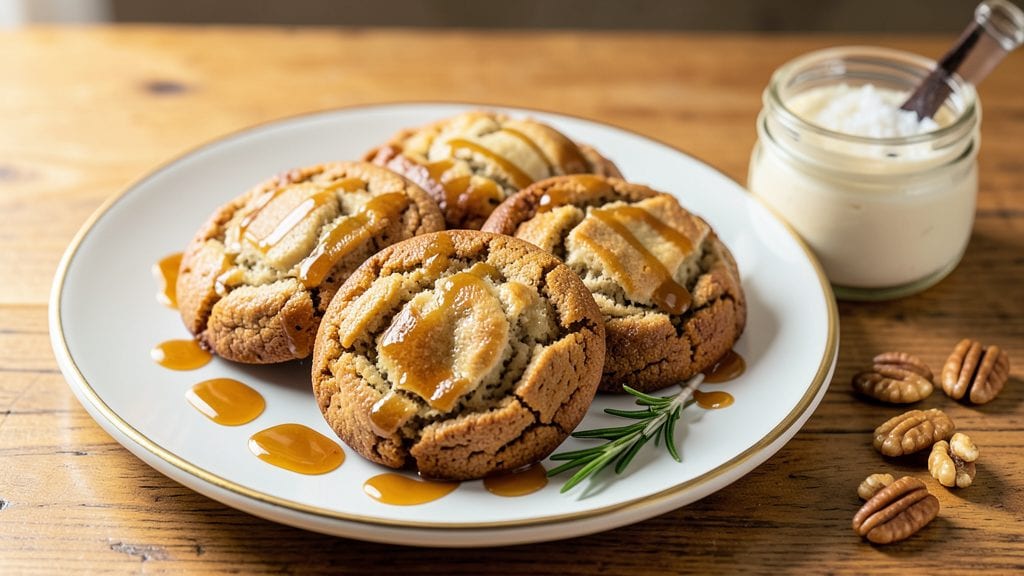
Unveiling the Byrd’s cookies copycat recipe has taken me through dozens of batches and one very patient taste-tester. The magic lies in the precise balance of buttery dough, vanilla swirls, and the perfect oat topping ratio—something I've finally perfected after years of experimentation.
This isn't just a cookie recipe; it's a step-by-step guide to recreating that nostalgic, bakery-quality texture at home.
The professional approach starts with chilling the dough for 24 hours—this critical step prevents spreading and develops deeper flavor. You'll work with three distinct components: the vanilla base, the swirl mix, and the crunchy oat topping, each requiring precise measurements and technique.
The secret weapon? Using old-fashioned oats for that signature crunch that disappears just as you bite into the warm cookie.
What you'll achieve is a batch of cookies with golden edges, cracked tops (the telltale sign of authenticity), and a vanilla swirl that peeks through the oat topping in perfect proportions.
The aroma alone—warm vanilla with toasted oats—will fill your kitchen before the first cookie even comes out of the oven. This recipe delivers restaurant-quality results with a foolproof method that even experienced bakers will appreciate.
Whether you're baking for a holiday gathering or treating yourself to a nostalgic snack, these cookies require just 15 minutes of active prep followed by 10-12 minutes in a 350°F oven.
The key to success lies in the details—from proper dough chilling to the exact baking time. Let's get started on recreating this classic copycat recipe that's been requested for years.
Ingredients for byrd's cookies copycat
Three components, one perfect cookie—this copycat recipe delivers bakery-style vanilla swirls with crunchy oat magic.
| Ingredient | Amount | Notes |
|---|---|---|
| Unsalted Butter 🧈 | 1 cup | Cold, cut into cubes |
| Granulated Sugar 🍚 | ¾ cup | White sugar preferred |
| Packed Brown Sugar 🍚 | ¾ cup | Light brown preferred |
| Pure Vanilla Extract 🍯 | 2 tsp | High-quality, not imitation |
| Large Eggs 🥚 | 2 whole | Room temperature |
| All-Purpose Flour 🌾 | 3 ½ cups | Sifted, spooned lightly |
| Baking Soda 🧂 | ½ tsp | Pure baking soda |
| Diamond Crystal Kosher Salt 🧂 | ½ tsp | Not table salt |
| Old-Fashioned Rolled Oats 🥣 | 2 cups | Not quick oats |
| Granulated Sugar 🍚 | ½ cup | For oat topping |
| Pure Vanilla Extract 🍯 | 1 tsp | For oat topping |
| Unsalted Butter 🧈 | 2 tbsp | Melted, for oat topping |
| Vanilla Swirl Mix 🍯 | 1 ½ cups | Brown sugar, vanilla, flour |
| Brown Sugar 🍚 | ½ cup | Packed, for swirl mix |
| Pure Vanilla Extract 🍯 | 1 tsp | For swirl mix |
| All-Purpose Flour 🌾 | 1 cup | For swirl mix |
The butter is non-negotiable—European-style unsalted like Plugrá or Land O'Lakes cultured gives that signature richness. The old-fashioned oats? Bob's Red Mill or Quaker Old Fashioned are your best bets—they toast perfectly without burning. I always buy extra butter and freeze it in cubes for this recipe; it keeps the dough from getting too soft. For the brown sugar, Domino Light Brown works best—don't use dark unless you want a molasses note. The vanilla extract should be 100% pure—none of that imitation stuff that tastes like solvent.
No old-fashioned oats? Quick oats toasted in the oven for 5 minutes at 350°F work in a pinch, but they'll be slightly softer. Running short on brown sugar? White sugar plus 1 tsp molasses mimics the moisture. The swirl mix can be prepped ahead—just store it in the fridge for up to 3 days in an airtight container. For the oat topping, if you're feeling fancy, add 1/4 tsp cinnamon—it's not traditional but adds a nice warmth. And yes, you can use salted butter if you're in a bind, but reduce the salt in the dough by half to keep it balanced.
This dough needs 24 hours in the fridge—no exceptions. The longer it rests, the better the flavor. The oat topping keeps for 1 week in the fridge if stored in a sealed container, and the swirl mix can be frozen for 3 months. I like to portion the dough into 16-ounce balls before baking—just roll them in your hands to shape. The cookies reheat beautifully; pop one in the oven at 350°F for 3-4 minutes to revive that bakery-fresh crunch.
Why You'll Love This Recipe
- No-Fuss Mixing: I swear by this dough—just cream butter and sugars until light, then fold in vanilla and eggs. No food processor, no extra bowls, just a sturdy spoon and 10 minutes of elbow grease. (Yes, even on a Tuesday night.)
- Buttery-Sweet Magic: That perfect balance of white and brown sugar? It’s what makes these cookies sing—caramelized edges with a soft, melt-in-your-mouth center. Honestly, the vanilla ties it all together like a warm hug.
- Party in a Tin: These bake up fast and cool even faster, so you’re not stuck waiting. Pack them in a container for potlucks, gift them in mason jars, or freeze half for when you need a quick treat. (My daughter’s teachers love them.)
- Dollar Stretch: A single batch uses basic pantry staples—no fancy add-ins, no waste. The butter and sugars go a long way, and the leftovers? They last weeks if you can resist them. (Spoiler: You won’t.)
Step-by-step instructions for Byrd's copycat cookies
Here's how to recreate those iconic swirled cookies with crispy oat topping—just like Byrd's.
Cream the Butter and Sugars
In a stand mixer fitted with the paddle attachment, beat the 1 cup unsalted butter (cold, cut into cubes) with the 0.75 cup granulated sugar and 0.75 cup packed brown sugar on medium speed for 3-4 minutes. You're looking for a light, fluffy texture—it should nearly double in volume and become pale. This creaming process incorporates air, which creates those signature crackly tops.
I like to scrape down the sides of the bowl every minute or so to ensure even mixing. The butter should be fully incorporated but still hold its shape—if it looks greasy, chill the mixture for 10 minutes before proceeding. This step is critical for achieving the perfect texture in the final cookies.
Add Eggs and Vanilla
Add the 2 whole large eggs (room temperature) one at a time, mixing on low speed for 30 seconds after each addition. Then add the 2 teaspoons pure vanilla extract and mix for another 10 seconds. The mixture might look slightly curdled, but don't worry—it will come together once you add the dry ingredients.
Here's the thing—using room-temperature eggs ensures they blend smoothly into the butter. If you're in a rush, you can microwave the eggs for 20 seconds to bring them to room temperature. The vanilla extract should be high-quality; imitation won't deliver the same depth of flavor in these cookies.
Mix in Dry Ingredients and Oats
In a separate bowl, whisk together the 3.5 cups all-purpose flour, 0.5 teaspoon baking soda, and 0.5 teaspoon diamond crystal kosher salt. Add this mixture to the wet ingredients and mix on low speed for 30-45 seconds until just combined. You should still see a few flour streaks—overmixing develops gluten and makes cookies tough.
Remove the bowl from the mixer and fold in the 2 cups old-fashioned rolled oats by hand using a silicone spatula. Make sure they're evenly distributed throughout the dough. The oats will add that signature crunchy texture that makes these cookies so special. Don't skip this step—it's what sets Byrd's cookies apart.
Prepare the Vanilla Swirl Mix
In a small bowl, combine the 1.5 cups vanilla swirl mix (which includes 0.5 cup brown sugar, 1 teaspoon pure vanilla extract, and 1 cup all-purpose flour). This mix is what creates those beautiful swirls in the cookies. The texture should be crumbly but hold together when pressed.
I like to use my fingers to mix this—it's easier to feel the consistency. If the mix seems too dry, add a teaspoon of melted butter to help it bind. The swirl mix needs to be cold to prevent the butter in the main dough from melting prematurely.
Chill and Shape the Dough
Divide the dough into two equal parts. On one half, gently press in the vanilla swirl mix, creating a marbled effect. Wrap both halves in plastic wrap and refrigerate for at least 1 hour (or up to 24 hours). Chilling solidifies the butter, which prevents the cookies from spreading too thin in the oven and helps maintain their shape.
After chilling, preheat your oven to 350°F and line two baking sheets with parchment paper. Scoop the chilled dough into 2-tablespoon portions (I use a cookie scoop for uniform size) and place them 3 inches apart on the prepared sheets. Bake for 11-13 minutes until the edges are golden brown but the centers still look slightly underdone.
Add the Oat Topping and Finish Baking
Remove the cookies from the oven and immediately sprinkle each one with a teaspoon of the melted 2 tablespoons unsalted butter mixed with 0.5 cup granulated sugar and 1 teaspoon pure vanilla extract. This topping adds that signature crunchy texture and sweetness. Return the cookies to the oven for 2-3 minutes to let the topping set.
Let the cookies cool on the baking sheet for 5 minutes before transferring to a wire rack. They'll be soft and gooey in the center when you pull them out of the oven—this is exactly how they should be. Serve them warm for the ultimate experience, and enjoy the perfect copycat Byrd's cookies!
Pro Tips For Making Byrd'S Cookies Copycat
- CREAM THE BUTTER WELL: I learned this the hard way—skipping this step makes your dough greasy and the cookies spread too much. Beat the butter and sugars until it’s light and fluffy, about 3-4 minutes with a mixer. You should see ribbons form when you lift the beaters; that’s your signal to move on.
- USE ROOM-TEMP EVERYTHING: Cold eggs and butter slow the process and make the dough uneven. Take the eggs and butter out of the fridge 30 minutes before you start—yes, even if you’re impatient like me. Warm ingredients mix smoother and guarantee a more consistent texture in each cookie.
- WEIGH YOUR BROWN SUGAR: Packed brown sugar is tricky—spooning it leads to dry, crumbly cookies. Use a kitchen scale for accuracy, or press it firmly into the measuring cup and level it off. Too little packing = cookies that fall apart; too much = a dense, chewy mess.
- BAKE ONE PAN AT A TIME: I was skeptical until I tried it—crowding the oven makes the edges cook faster while the centers stay doughy. Space your cookies 2 inches apart on the tray (yes, even if it looks sparse) and rotate the pan halfway through. Patience here guarantees that perfect chewy center with crisp edges.
Regional styles of this dish
Southern Bakery Style
In the original Byrd's locations across the South, these cookies were baked in vintage cast-iron pans lined with parchment paper. The high sides of the pans create those signature golden, slightly domed edges that distinguish them from standard round cookies.
I use a 12x17-inch half-sheet pan lined with parchment cut to fit—this gives you the same bakery-style shape while allowing room for the cookies to spread slightly. The key is baking them one sheet at a time at 350°F for 12-14 minutes to ensure even heat distribution.
Southern bakers often finish them with a light dusting of powdered sugar right after baking, which adds a delicate sweetness that pairs perfectly with the vanilla. 🧁
Midwest Homestyle Twist
The Midwest adaptation focuses on extra-crispy oat toppings by adding 1/4 cup chopped pecans to the oat mixture. These bakers also tend to use more brown sugar in the swirl mix (3/4 cup instead of 1/2 cup) for a deeper caramel flavor.
The dough gets chilled for 48 hours rather than 24, which intensifies the vanilla flavor. For baking, they prefer lightly greased cookie sheets instead of parchment, allowing the bottoms to develop a slightly crispy texture—almost like a thin shortbread base.
The result is a cookie that's chewier in the center with that signature crunchy top. 🌾
West Coast Gourmet Version
West Coast bakers take these cookies to the next level by incorporating vanilla bean paste (instead of extract) into both the dough and swirl mix. They also use European-style butter like Plugrá for a richer flavor profile.
The dough gets rolled in toasted coconut flakes before baking, adding a tropical contrast to the classic oat topping. For baking, they prefer convection ovens at 340°F for 10-12 minutes to ensure even browning. The final touch?
A drizzle of dark chocolate (70% cacao) over each cookie right after baking, which adds a sophisticated contrast to the sweet vanilla. 🍫
Texas-Style Spiced Variation
Texan bakers love adding warm spices to these cookies. The swirl mix gets an extra 1/2 teaspoon cinnamon and 1/4 teaspoon nutmeg, while the oat topping includes 1/4 teaspoon cayenne pepper for a subtle kick. They also use dark brown sugar in the dough for a deeper molasses note.
The baking technique involves rotating the pans halfway through the 11-13 minute bake at 350°F to ensure even color. These cookies have a slightly spiced aroma that pairs beautifully with a glass of chilled sweet tea. 🌶️
Holiday Gift-Worthy Adaptation
For special occasions, bakers create mini versions using 1-tablespoon portions of dough for 8-10 minute bakes at 375°F. These bite-sized cookies are perfect for holiday gift boxes.
Another popular adaptation is double-layered cookies—bake the base, add a thin layer of vanilla cream filling (powdered sugar + butter + vanilla), then top with another dough layer and oat topping. For presentation, they're often decorated with colored sugar or edible gold leaf to make them look extra festive.
These versions keep well for up to 2 weeks** when stored in airtight containers. ✨
Nutrition facts
Frequently asked questions
Why do these cookies need to chill for 24 hours?
The 24-hour chill is non-negotiable for two reasons. First, it prevents the cookies from spreading too thin in the oven, giving them that signature bakery-style shape. Second, it allows the flavors—especially the vanilla—to fully develop and meld together. Think of it like making ice cream: the longer it rests, the richer the taste.
Can I make these cookies without a stand mixer?
Use a sturdy wooden spoon or your hands to cream the butter and sugars. Work in a large bowl, mixing vigorously for 5-7 minutes until light and fluffy. The key is patience—keep scraping down the sides and mixing until the butter is fully incorporated. For the oat topping, a fork works perfectly to combine the ingredients.
What's the secret to getting the perfect swirl effect?
The swirl effect comes from gently pressing the vanilla mix into half the dough, then folding it together like a marble cake. Use your hands to create a marbled pattern rather than forcing it—this keeps the swirls visible when baked. Chill the dough after mixing to maintain the shape during baking.
How do I store these cookies to keep them fresh?
Store baked cookies in an airtight container at room temperature for up to 5 days. For longer storage, freeze them for up to 3 months. Thaw at room temperature or reheat in a 350°F oven for 3-4 minutes to revive the crunch. The oat topping stays crispest when stored this way.
Can I use quick oats instead of old-fashioned?
Quick oats won't give the same texture, but you can toast them first. Spread 2 cups quick oats on a baking sheet and bake at 350°F for 5 minutes until lightly golden. They'll be slightly softer than old-fashioned oats, but the flavor will still work. For best results, stick with old-fashioned for that signature crunch.