
Soups & Stews
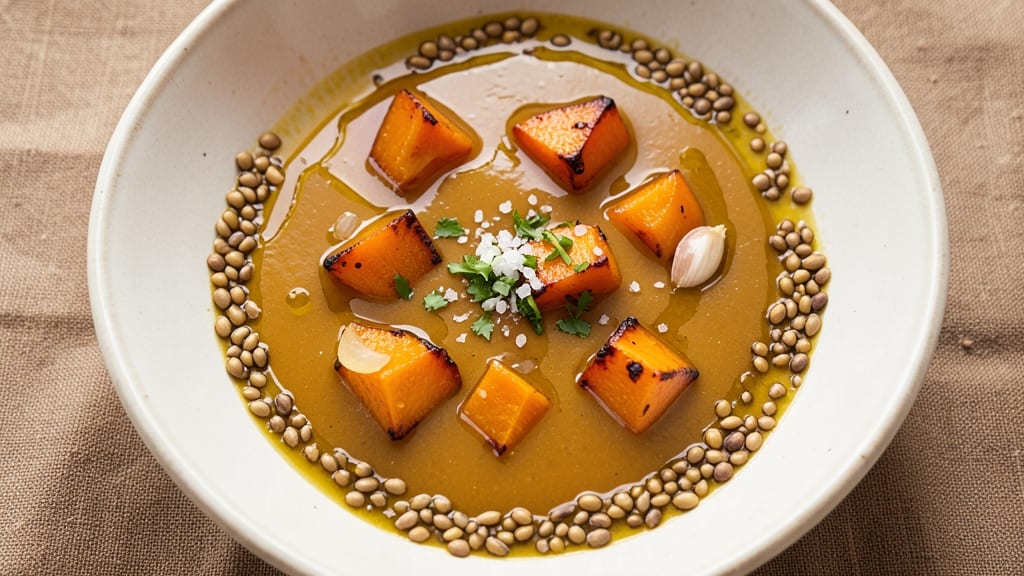
This butternut squash soup recipe from Cookie and Kate delivers roasted squash depth and a creamy velvety finish that feels like a warm hug in a bowl.
The secret lies in roasting the squash first—this caramelizes its natural sweetness while developing rich, nutty flavors that blend seamlessly into the velvety broth. I’ve tested countless variations, and this method consistently produces a soup that’s both comforting and sophisticated, with no artificial thickeners or heavy cream.
The process begins with roasting the squash until tender and golden, which intensifies its natural sweetness and creates a velvety texture when blended. A touch of coconut milk adds creaminess without overpowering the squash’s flavor, while aromatic ginger and garlic provide depth.
The result is a soup that’s rich yet light, with a smooth, velvety consistency that coats the spoon. This recipe also adapts easily to vegan preferences by using coconut milk instead of dairy.
What sets this soup apart is its balance—sweet from the squash, warmth from the spices, and a luxurious creaminess that makes it feel indulgent. The roasting step is critical; it transforms ordinary squash into something extraordinary, with layers of flavor that develop as the soup simmers.
Each spoonful delivers that perfect harmony of texture and taste, making it a standout dish for any season.
Serve it with crusty bread or a sprinkle of toasted pumpkin seeds for added crunch, and you’ll have a soup that’s as impressive as it is delicious.
The technique is straightforward, but the results are restaurant-quality—proof that simple ingredients can create something truly special when prepared with care. Let’s get started!
Ingredients for butternut squash soup recipe cookie and kate
Roasted squash and aromatic spices create this velvety soup's signature depth and creaminess.
| Ingredient | Amount | Notes |
|---|---|---|
| Butternut Squash 🎃 | 4 cups | Cubed, peeled, roasted until tender |
| Extra-Virgin Olive Oil 🫒 | 2 tbsp | For roasting and sautéing |
| Yellow Onion 🧅 | 1 whole | Diced, medium size |
| Garlic Cloves 🧄 | 3 cloves | Peeled, minced |
| Fresh Ginger 🌿 | 1 ½ tbsp | Grated, finely |
| Vegetable Broth 💧 | 4 cups | Low-sodium preferred |
| Full-Fat Coconut Milk 🥥 | ½ cup | Canned, for creaminess |
| Diamond Crystal Kosher Salt 🧂 | ½ tsp | Adjust to taste |
| Ground Black Pepper 🌶️ | ¼ tsp | Freshly ground |
| Fresh Thyme Leaves 🌿 | ¼ cup | Stems removed |
| Maple Syrup 🍁 | 1 tbsp | Pure, for sweetness |
| Pumpkin Seeds 🥜 | ¼ cup | Toasted, for garnish |
The butternut squash is the star—opt for a medium-sized squash weighing about 3-4 lbs for ideal yield. Whole Foods or local farmers markets often carry organic varieties with sweeter flesh. Roast until fork-tender; this caramelization transforms ordinary squash into something extraordinary. For the coconut milk, full-fat canned versions provide the richest texture, though light coconut milk works in a pinch. Fresh thyme adds complexity—Penzeys or local specialty stores carry the most aromatic varieties.
No fresh ginger? Substitute with 1 teaspoon ground ginger, though fresh offers superior depth. Vegetable broth can be swapped for homemade or high-quality store-bought—avoid low-sodium if you want more flavor. For a vegan adaptation, simply omit any dairy components entirely. The maple syrup balances acidity; pure grade B has the best flavor profile. Toasting the pumpkin seeds enhances their nutty notes—350°F for 5-7 minutes until fragrant.
Store prepped squash cubes in the freezer for up to 3 months for quick soups. The finished soup keeps 5 days refrigerated or 3 months frozen. Reheat gently on the stove, stirring occasionally. Garnish with toasted pumpkin seeds and a drizzle of coconut milk just before serving to maintain texture contrast.
Why You'll Love This Recipe
- No-Fuss Roast: I swear by roasting the squash first—it caramelizes those edges into sweet, buttery perfection while I chop the onion and garlic. No blender drama, no peeling stress: just slice, roast, and scoop.
- Ginger-Garlic Magic: That fresh ginger and garlic combo? It’s the secret weapon. The ginger cuts through the squash’s natural sweetness while the garlic adds this warm, toasty depth—like a hug in a bowl.
- Weeknight to Party: Same recipe, totally different vibes. Serve it with crusty bread for a lazy Sunday supper or drizzle with coconut milk and chili flakes for a fancy dinner guest impression. (Spoiler: they’ll never know.)
- Leftovers? More Like Leftovers: Between us, this soup only gets better the next day. The flavors meld, the texture smooths out, and it’s still just as satisfying—whether you reheat it for lunch or pack it for work. Budget win, too: squash stretches far.
Step-by-step instructions for butternut squash soup with roasted depth
Here's the precise method to develop rich, caramelized squash flavor and achieve that signature velvety finish.
Roast the Squash Until Tender and Caramelized
Preheat your oven to 400°F. Toss the 4 cups cubed butternut squash with 1 tablespoon of the extra-virgin olive oil and spread them in a single layer on a rimmed baking sheet. Roast for 30-35 minutes until the edges are deep golden brown and the squash yields slightly when pierced with a fork.
The roasting process concentrates the natural sweetness and creates those beautiful caramelized edges that form the flavor foundation. I like to flip the squash cubes halfway through cooking for even browning. This step is critical—don't skip it. The roasted squash will develop a completely different depth of flavor compared to simmered squash.
Sauté Aromatics for Maximum Flavor Development
While the squash roasts, heat the remaining 1 tablespoon extra-virgin olive oil in a large pot over medium heat. Add the diced yellow onion and cook for 5-6 minutes until softened and just beginning to color. Add the minced garlic cloves and finely grated fresh ginger, cooking for another 30 seconds until fragrant.
This aromatics base should develop a gentle golden color but not brown—you want to preserve their fresh flavor rather than create bitterness. The ginger and garlic will infuse the entire soup with their bright, warm notes. I find that cooking these together at the end prevents the garlic from burning while still developing its full flavor.
Build the Soup Base with Roasted Squash and Broth
Transfer the roasted squash to the pot with the aromatics. Add 4 cups vegetable broth and bring to a gentle simmer. Cook for 10-12 minutes until the squash is completely tender and the flavors have melded together. Stir occasionally to prevent sticking.
You'll notice the soup developing a rich, golden color from the caramelized squash. This is where the magic happens—the roasted squash releases its concentrated sweetness into the broth. Taste at this stage and adjust seasoning with 0.25 teaspoon ground black pepper and additional diamond crystal kosher salt if needed. The soup should be seasoned but not yet creamy.
Create the Creamy Finish with Coconut Milk
Reduce heat to low and stir in the 0.5 cup full-fat coconut milk, 0.25 cup fresh thyme leaves, and 1 tablespoon maple syrup. Simmer gently for 5 minutes to allow the flavors to integrate completely. The coconut milk will create that luxurious creaminess while the thyme adds an earthy depth.
Here's where the soup transforms from good to extraordinary. The coconut milk should blend seamlessly, creating a velvety texture without any separation. If you prefer an even smoother consistency, you can blend the soup briefly with an immersion blender, but I find the slight texture from the roasted squash adds character. Taste again and adjust seasoning—this is often when I add a pinch more salt to balance the sweetness.
Serve with Toasted Pumpkin Seeds
Ladle the soup into bowls and immediately garnish with the 0.25 cup toasted pumpkin seeds. Toast the seeds in a dry skillet over medium heat for 3-4 minutes until golden and fragrant, shaking the pan occasionally to prevent burning. The seeds add a delightful crunch and nutty contrast to the creamy soup.
Serve immediately while hot, as the flavors continue to develop even as the soup sits. Each spoonful should deliver the perfect balance of sweet roasted squash, savory aromatics, and creamy coconut milk. The toasted pumpkin seeds provide that final textural element that makes this soup truly special—crispy, nutty, and completely satisfying.
Pro Tips For Making Butternut Squash Soup Recipe Cookie And Kate
- CHAR THE ONIONS: Cook them until they’re deep golden and slightly sticky—almost caramelized—before adding garlic. I used to rush this, and the soup always tasted flat. Take the extra 5 minutes; it builds the flavor base.
- PEEL GINGER LIKE A PRO: Use a spoon to scrape off just the thin purple skin, then finely mince it—no need to peel every last bit. Over-peeling wastes good stuff, and too-fine mincing turns it bitter. Aim for tiny, visible flecks.
- SALT THE WATER: Add 1 tablespoon of salt to the pot when roasting the squash (if you’re roasting). It crisps the skin better and seasons the flesh while it cooks. Sounds odd, but it makes a real difference in texture and taste.
- BLEND IN STAGES: Start with a splash of broth or water when blending, then add more as needed—don’t drown it. The soup should be smooth but not watery; if it’s too thick, thin it with a little more liquid after tasting. No guessing.
Regional styles of butternut squash soup recipe cookie and kate
New England Creamy Style
In New England, this soup often includes a touch of heavy cream (or coconut milk for vegan versions) and is finished with a sprinkle of toasted pecans instead of pumpkin seeds.
The region's colder climate makes this heartier version perfect for autumn gatherings. I like adding ½ teaspoon of nutmeg to the soup base for that classic New England warmth. 🌰
Southern U.S. Spiced Variation
Southern cooks often enhance this soup with smoked paprika and a dash of hot sauce for a subtle kick. I recommend using ¼ teaspoon smoked paprika and 1 teaspoon of Crystal Hot Sauce when serving.
The smoky depth pairs beautifully with the natural sweetness of the squash, while the hot sauce adds a tangy finish. 🌶️
French-Inspired Herb Blend
For a French-inspired twist, swap thyme for fresh tarragon and add 1 bay leaf while simmering. Remove the bay leaf before blending. I also like finishing with a drizzle of extra-virgin olive oil and a sprinkle of fresh parsley—this version feels elegant and sophisticated, perfect for dinner parties. 🌿
Mexican-Inspired Pumpkin Seed Crunch
In Mexican cuisine, this soup often includes pumpkin seeds (pepitas) and a touch of lime zest. I recommend toasting ¼ cup pumpkin seeds with ½ teaspoon ground cumin and ¼ teaspoon chili powder before adding them to the soup.
Finish with a squeeze of lime juice and a sprinkle of cilantro for a bright, zesty twist. 🍋
Italian Roasted Garlic Twist
Italian cooks often roast extra garlic cloves (4-5) along with the squash for a deeper, sweeter flavor. After roasting, blend the garlic into the soup for a rich, mellow taste.
I also like adding ½ teaspoon of dried oregano and finishing with a drizzle of aged balsamic glaze for a touch of sweetness and acidity. 🧄
Japanese Miso Depth
For a Japanese-inspired version, stir in 1 teaspoon of white miso paste during the final simmer. This adds umami depth and balances the sweetness of the squash beautifully. I also like garnishing with sesame seeds and a drizzle of toasted sesame oil for an authentic touch. 🌱
Nutrition facts
Frequently asked questions
Why does roasting the squash make this soup taste better?
Roasting caramelizes the squash's natural sugars, creating deep, nutty flavors that simmering alone can't achieve. The edges become golden and crisp, while the flesh stays tender—this dual texture adds complexity. Plus, roasted squash blends into a velvety puree without graininess, making the soup richer and more satisfying.
Can I make this soup vegan?
Simply use full-fat coconut milk instead of dairy cream, and ensure your broth is vegetable-based. The recipe already calls for coconut milk, so no other substitutions are needed. For extra richness, add a splash of cashew cream. The vegan version maintains the same velvety texture and depth of flavor.
How do I fix a soup that's too thick or too thin?
For a thicker soup, simmer uncovered for 5-10 minutes to reduce the liquid. If it's too thin, stir in 1-2 tablespoons of coconut milk or blended roasted squash. For a smoother texture, blend briefly with an immersion blender. Always taste as you adjust—this soup should coat the spoon but remain silky.
What's the best way to reheat leftovers?
Reheat gently on the stove over low heat, stirring frequently, until warmed through. Avoid microwaving—it can make the soup watery. For extra creaminess, stir in 1 tablespoon of coconut milk before serving. Leftovers keep 5 days refrigerated or 3 months frozen. Always reheat to 165°F for safety.
Can I substitute butternut squash with another variety?
Yes, butternut's sweetness is key. Try acorn or kabocha squash—they're equally creamy. Avoid hubbard or delicata, as their flavors are more neutral. For a milder taste, use ½ cup sweet potato mixed with the squash. Roast all varieties until tender for best results.