Desserts
Transforming Betty Crocker sugar cookie mix into festive cut-out cookies is simpler than you think—these buttery layers hold their shape perfectly for holiday decorating. The secret lies in proper chilling and rolling techniques that prevent cracking, while the right baking time ensures crisp edges without losing that signature tender center.
I’ve perfected this method after years of holiday baking, and it consistently delivers cookies that look as impressive as they taste.
This recipe delivers foolproof results with just five key ingredients, including the mix itself, butter, and a touch of vanilla for depth. The dough is rolled to an even thickness of 1/4-inch, making it ideal for intricate holiday shapes without tearing.
Baking at 350°F for exactly 8-10 minutes ensures cookies stay crisp enough to hold royal icing designs while remaining soft enough to bite into.
What you’ll end up with is a batch of golden-edged, buttery cookies that hold their festive shapes beautifully—perfect for decorating with royal icing, sprinkles, or even edible glitter. The dough’s buttery richness creates layers that stay tender, while the precise baking time guarantees they won’t spread or crack.
Whether you’re a beginner or a seasoned baker, this method ensures professional-looking results every time.
For added flair, try pressing cookie cutters into the dough before baking for raised edges, or experiment with gluten-free adaptations by substituting half the flour in the mix.
The possibilities for customization are endless, making these cookies ideal for holidays, parties, or simply satisfying a sweet tooth. Let’s get started on creating your perfect batch!
Ingredients for betty crocker sugar cookie mix cut out cookie
Five ingredients, holiday magic. The secret to perfect cut-out cookies starts here.
| Ingredient | Amount | Notes |
|---|---|---|
| Betty Crocker Sugar Cookie Mix 🍪 | 2 boxes | Unopened, standard 15.25 oz box |
| Unsalted Butter 🧈 | ½ cup | Cold, cut into cubes (room temp works too) |
| Pure Vanilla Extract 🍯 | 1 tbsp | Imitation-free for best flavor |
| Large Eggs 🥚 | 1 whole | Room temperature preferred |
| Granulated Sugar 🍚 | 2 tbsp | For sprinkling on dough (optional) |
| Coarse Sugar 🍚 | ¼ cup | For cookie cutter edges (turbinado or sanding) |
| Diamond Crystal Kosher Salt 🧂 | ½ tsp | Fine grain preferred |
The butter is non-negotiable—European-style or Plugrá from the grocery store's butter case gives you that extra layer of richness. Grab the coldest butter in the fridge (or freeze it 10 minutes if needed) for easier handling. The sugar cookie mix? Betty Crocker's classic version works best—avoid the 'golden' or 'vanilla' variations. For the vanilla, Nielsen-Massey or McCormick are solid choices, but honestly, whatever's in your cabinet will do. Pro tip: If your butter's too soft, chill it while you mix the dough—this helps prevent spreading later.
No vanilla extract? Vanilla bean paste at half the amount works like a charm (and looks fancy). Short on coarse sugar? Regular granulated sugar crushed in a food processor does the trick—just pulse until it's gritty. The egg can be separated if you're feeling fancy (the whites add structure), but for simplicity, just crack it whole. If you're making gluten-free adaptations, swap half the mix for a 1:1 gluten-free flour blend—just add an extra 1 tbsp of xanthan gum to mimic the dough's elasticity. And if you're baking for a crowd, double the recipe but chill the dough in batches to avoid overworking it.
This dough is a beast when it comes to storage. Wrap tightly in plastic and refrigerate for up to 5 days—it actually improves as it rests. For longer storage, freeze shaped cookies on a tray before bagging, then transfer to a sealed container for up to 3 months. Once baked, store in an airtight container with parchment between layers to keep them crisp. The best part? These cookies reheat beautifully—just 5 seconds in the microwave brings back that buttery freshness. And if you're getting ahead, bake the cookies plain, then decorate after they've cooled—they hold up better to icing that way.
Why You'll Love This Recipe
- Five-Ingredient Magic: I swear by this combo—just mix, roll, cut, and bake. No fancy techniques, no measuring cups that make you question your life choices. The butter and vanilla in that dough? They do all the heavy lifting while I sip coffee and pretend I’m a pastry chef.
- Butter-Soft Crunch: That crisp edge with the tender middle? It’s the secret of creaming the butter properly (not overmixing, not under-rolling). The sugar cookie mix already has the perfect balance, but the egg binds it just enough to hold your holiday shapes without falling apart.
- Holiday Party Hero: From Valentine’s Day to Christmas, these cookies are my crowd-pleaser. I double the batch, freeze half, and still have leftovers for weeks. Kids can help cut shapes, and adults won’t complain when they’re gone in minutes.
- Zero-Waste Bargain: Honestly, this recipe saves me money. A box of Betty Crocker mix lasts forever, and I only need a few extra ingredients I already have. Plus, the dough keeps for days in the fridge—no sad, dried-out scraps here.
Step-by-step instructions for festive cut-out cookies
Here's how to transform boxed mix into showstopping cookies with crisp edges and chewy centers.
Prepare the Dough with Cold Butter
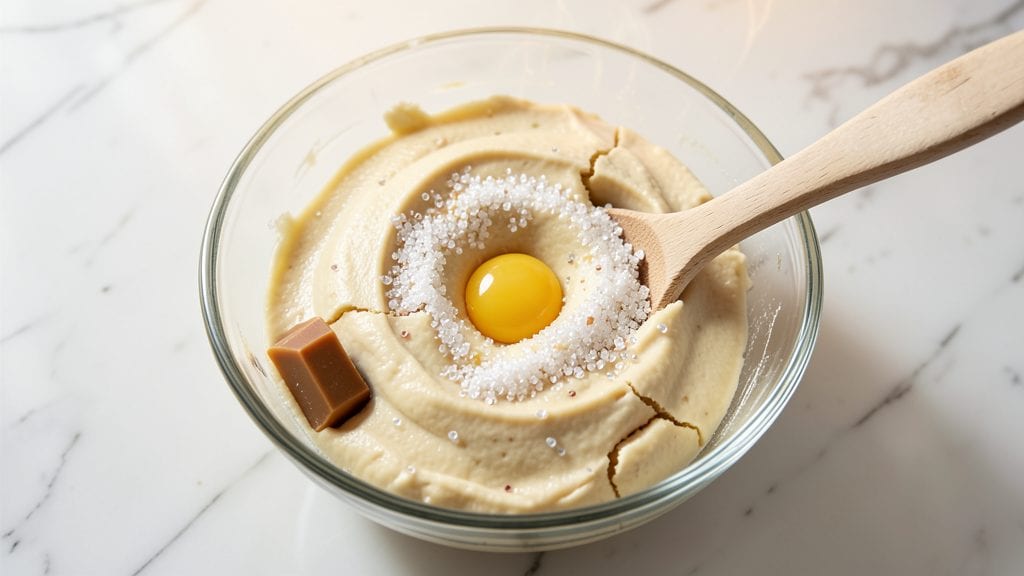
In a large mixing bowl, combine the 2 boxes betty crocker sugar cookie mix, 0.5 cup unsalted butter (cut into cubes), 1 tbsp pure vanilla extract, 1 whole large egg, and 0.5 tsp diamond crystal kosher salt. Using a wooden spoon or dough hook attachment on low speed, mix until the dough begins to come together—about 1 minute.
Here's the thing—cold butter creates those signature buttery layers that hold shape beautifully. If your butter feels too soft, chill the dough for 10 minutes before proceeding. The dough should be slightly sticky but manageable when pressed. Avoid overmixing at this stage; you want to preserve the tender texture of the cookies.
Once combined, turn the dough out onto a lightly floured surface and knead gently for 30 seconds until smooth. Divide into two equal portions and flatten into 1-inch thick disks. Wrap each in plastic wrap and refrigerate for at least 1 hour. This chilling step is non-negotiable—it prevents spreading and ensures clean cookie cutter edges.
Roll and Cut Festive Shapes
Preheat your oven to 375°F and line two baking sheets with parchment paper. On a lightly floured surface, roll out one disk of chilled dough to about 1/4-inch thickness. Here's where the magic happens: use cookie cutters to create your desired shapes—stars, trees, or classic circles. Gather the scraps and reroll for maximum yield.
Place the cut-out cookies on the prepared baking sheets, spacing them about 1 inch apart. This gives them room to expand slightly during baking. For extra sparkle, sprinkle the tops with 2 tbsp granulated sugar or 0.25 cup coarse sugar before baking. The sugar will melt slightly and create those gorgeous crystalline edges we all love.
Bake to Golden Perfection
Bake the cookies for 8-10 minutes until the edges are golden brown and the centers still look slightly underdone. This is crucial—they'll continue cooking on the hot baking sheet after removal. You'll know they're done when you can press gently on one and feel just a hint of resistance.
I like to rotate the baking sheets halfway through for even browning. Don't overbake—these cookies should be tender with just a touch of crispness at the edges. If you're unsure, pull them out when the edges first start to color and check after 1 minute of cooling. They'll firm up as they cool.
Remove from oven and let cool on the baking sheets for 2 minutes before transferring to a wire rack. The residual heat helps set the sugar crystals for that professional finish. Let them cool completely before stacking or decorating—this prevents smudging and ensures clean edges.
Pro Tips For Making Betty Crocker Sugar Cookie Mix Cut Out Cookie
- SOFTEN THE BUTTER FIRST: DESCRIPTION: Take that stick of unsalted butter straight from the fridge—yes, even if it’s been sitting out for 10 minutes—and cut it into cubes. Toss them in the microwave for 10-15 seconds (or until just pliable but not melted) before mixing. I learned this the hard way after ending up with dough that was more like buttercream than cookie. The mix needs that butter to cream properly, not turn to soup.
- CHILL THE DOUGH LONGER: DESCRIPTION: The recipe might say 30 minutes, but give that dough a full 2 hours in the fridge—covered, of course. This isn’t just about easier rolling; it’s about preventing cookies that spread into sad, flat pancakes. The longer you wait, the cleaner the edges and the better the texture. (Yes, even if you’re impatient like me—I’ve tested this.)
- WEIGH THE EGG: DESCRIPTION: Skip the eyeballing and grab a kitchen scale for that egg. A large egg can vary wildly in size, and using the wrong amount throws off the dough’s structure. Aim for 1.5 ounces (about 2 large eggs by weight) for the right balance of chew and tenderness. Trust me, your cookies will thank you.
- SKIP THE EXTRA SUGAR: DESCRIPTION: The mix already has sugar—adding more granulated sugar to the dough makes it gummy and prone to over-browning. If you want sweeter cookies, swap in a tablespoon of vanilla bean paste or a splash of almond extract instead. It’s a subtle upgrade that actually changes the flavor without wrecking the texture. (I was skeptical until I tried it.)
Common mistakes when making great betty crocker sugar cookie mix cut out cookie
Over-Chilled Dough
If your dough feels rock-hard when rolling out, it’s been chilled too long. The ideal resting time is 1 hour, but if it’s been in the fridge overnight, let it sit at room temperature for 10-15 minutes before handling.
Cold dough cracks easily under cookie cutters, ruining those perfect festive shapes. I’ve ruined batches by forgetting this step—always check for flexibility before rolling. 🧊
Skipping Chill Time
Rushing the 1-hour chill is a recipe for disaster—your cookies will spread into misshapen blobs. The butter needs time to firm up, which keeps edges crisp and shapes intact.
If you’re in a hurry, divide the dough into smaller portions and chill them separately for 30 minutes each. Trust the process: patience here means perfect cookies later.
Uneven Rolling Thickness
Inconsistent dough thickness leads to some cookies baking faster (and browning more) than others. Use a rolling pin with measurements or a ruler to maintain a uniform 1/4-inch thickness.
Press down firmly but evenly—lighter pressure in some areas causes uneven baking. I like to rotate the dough as I roll to prevent thinning at the edges.
Overloading Baking Sheets
Crowding cookies on the sheet causes uneven baking and potential burning. Leave at least 1 inch between each cookie for proper airflow. I’ve learned this the hard way—once, I lost an entire batch of gingerbread men to burnt edges because I packed them too tightly.
Use two baking sheets if needed, and rotate them halfway through baking for even results.
Baking Too Long
Overbaking turns tender cookies into dry, crispy crackers. Remove them when edges are just light golden brown (around 8-10 minutes at 375°F). They’ll firm up as they cool, so pull them out when they still look slightly soft.
A toothpick test works: insert it into the center—if it comes out with a few moist crumbs, they’re perfect. 🍪
Decorating Before Cooling
Royal icing and sprinkles won’t adhere properly to warm cookies. Let them cool completely on the baking sheet for 5 minutes, then transfer to a wire rack. Warm cookies melt icing and blur details.
I’ve seen beautiful designs ruined by rushing this step—patience pays off in professional-looking results. For extra shine, brush cooled cookies with a little beaten egg white before decorating.
Nutrition facts
Frequently asked questions
Can I use this recipe with other sugar cookie mixes?
This method works best with Betty Crocker's classic sugar cookie mix, but you can adapt it for other boxed mixes like Duncan Hines or Pillsbury. The key is using 1/2 cup cold butter and chilling the dough for 1 hour—these steps ensure proper texture regardless of the brand. Just note that flavor and texture may vary slightly.
How do I prevent my sugar cookies from cracking when cutting?
Cracking happens when dough is too cold or dry. First, ensure your dough has rested for 1 hour but isn't rock-hard—if it is, let it sit at room temperature for 10 minutes before rolling. Second, use a lightly floured surface and roll to 1/4-inch thickness. Press cookie cutters straight down without twisting to avoid stressing the dough. A light dusting of powdered sugar on the rolling surface also helps prevent sticking.
What's the best way to store shaped cookies before baking?
Place shaped cookies on a parchment-lined tray and freeze for 15-20 minutes to maintain their shape during baking. Then transfer to an airtight container with parchment between layers. They'll keep in the freezer for up to 3 months—just bake straight from frozen, adding 1-2 minutes to the baking time. For fresh dough, store wrapped disks in the fridge for 5 days or freeze for 3 months.
Can I make gluten-free sugar cookies with this recipe?
Yes! Replace 1 box of the sugar cookie mix with a 1:1 gluten-free flour blend (like Bob's Red Mill) and add 1 tbsp xanthan gum to the dough. The dough will be slightly stickier, so chill it 2 hours instead of 1. For best results, use a gluten-free cookie cutter with sharp edges. These cookies won't hold intricate designs as well but will still taste delicious.
Why did my cookies spread too much during baking?
Over-spreading usually means the dough wasn't chilled long enough or the butter was too soft. Always chill dough for the full 1 hour and use cold butter (even if it means chilling it first). Another common cause is overmixing—the dough should come together in 1 minute with minimal handling. For extra insurance, roll the dough slightly thinner (1/8-inch instead of 1/4-inch) and bake at 375°F for 7-8 minutes.