Desserts
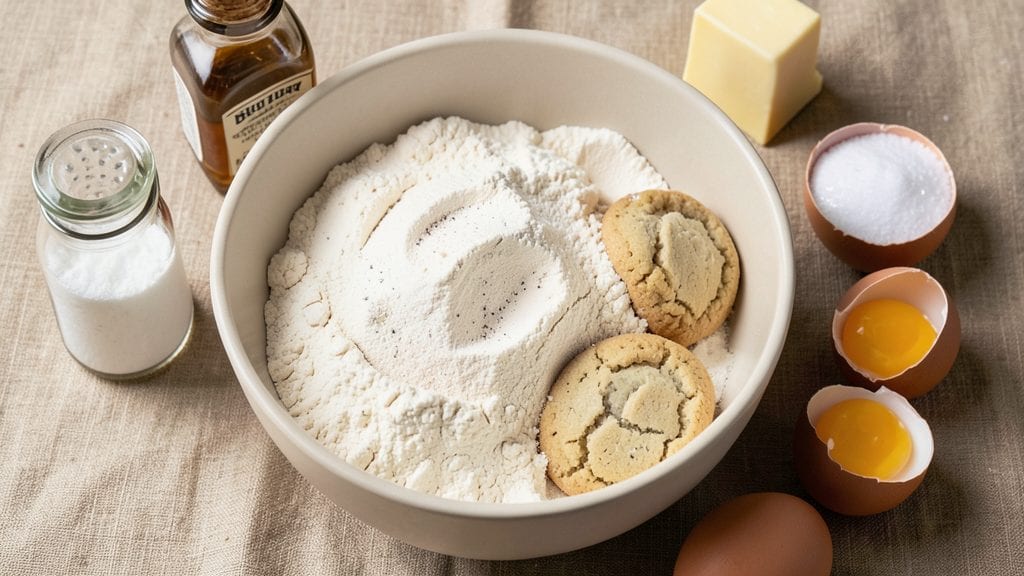
Betty Crocker’s Mary’s sugar cookies bring back the nostalgic magic of homemade treats with their signature buttery flavor and crisp edges. These classic cookies are designed to stay perfectly piped all day, making them ideal for holiday baking or special occasions.
The secret lies in the vanilla-infused frosting that keeps its shape beautifully, ensuring every bite delivers that familiar, comforting taste.
The recipe combines simple ingredients like flour, butter, and sugar to create a dough that’s easy to handle and mold into classic shapes. Baking at 350°F ensures a tender center with just the right amount of crispness around the edges.
The frosting, made with vanilla extract and powdered sugar, adds that signature sweetness while maintaining its structure for hours.
What makes these cookies truly special is their ability to transport you back to childhood memories with every bite. The frosting stays perfectly piped, whether you’re decorating for a party or simply enjoying a homemade treat. This recipe is foolproof, making it perfect for bakers of all skill levels.
Once you try these, you’ll understand why they’ve been a classic for generations. The combination of buttery dough and vanilla-infused frosting creates a cookie that’s both nostalgic and delicious. Ready to bake a batch that’ll impress everyone? Let’s get started!
Ingredients for betty crocker mary's sugar cookies
Buttery dough meets vanilla-infused frosting—simple ingredients for cookies that stay piped all day.
| Ingredient | Amount | Notes |
|---|---|---|
| All-Purpose Flour 🌾 | 2 ½ cups | Sifted for light texture |
| Unsalted Butter 🧈 | 1 cup | Cold, cubed for even baking |
| Granulated Sugar 🍚 | ¾ cup | Superfine preferred for tenderness |
| Pure Vanilla Extract 🍯 | 1 tbsp | High-quality, not imitation |
| Large Eggs 🥚 | 1 whole | Room temperature for blending |
| Baking Powder 🧂 | 1 ½ tsp | Diamond Crystal preferred |
| Salt 🧂 | ½ tsp | Fine sea salt preferred |
| Powdered Sugar 🍚 | 3 cups | Sifted for smooth frosting |
| Heavy Cream 🥛 | ¼ cup | Cold for stable frosting |
| Pure Vanilla Extract 🍯 | 1 tsp | Same batch as dough |
| Cornstarch 🌾 | 1 tsp | For frosting stability |
The butter matters most here. European-style butter from Plugrá or Land O'Lakes gives that signature richness, but any good unsalted will work. Keep it cold when creaming—room temp butter makes tough cookies. For the flour, King Arthur or Gold Medal brands stay consistent. If you're using superfine sugar, it'll give you that classic tender crumb, but regular granulated works too if that's what you've got. The vanilla extract? Nothing but pure—no imitation stuff here. I always buy a small bottle from McCormick because it's worth it for this recipe.
No powdered sugar? Confectioners' sugar from Domino works in a pinch, but it's not the same. Short on heavy cream? Whipped cream cheese thinned with milk mimics the texture, though it won't be quite as stable. The cornstarch in the frosting is non-negotiable—it's what keeps those piped decorations from sliding off hours later. If you don't have it, arrowroot powder at half the amount works too. The baking powder? Double-check it's fresh—old baking powder makes flat cookies. And for the love of all things sweet, don't substitute baking soda—it'll make your cookies taste bitter.
These cookies keep for 5 days in an airtight container at room temperature, though they'll lose that perfect crispness after day 3. The frosting? Cover it tightly with parchment and store it in the fridge—it'll stay perfectly piped for up to 2 weeks. I like to portion the dough into 1-inch balls ahead of time and freeze them on a tray before transferring to a bag. That way, I can bake straight from frozen—just add 2-3 minutes to the baking time. The frosting reheats beautifully too—microwave it in 15-second bursts until smooth.
Why You'll Love This Recipe
- Here’s what sold me: the way the melted butter and sugar marry together while baking. It’s not just sweet—it’s rich, with that vanilla punch cutting through like a warm hug. Honestly, I’ve made sugar cookies that tasted like flour and sugar, but these? They’re dangerously addictive.
- I’ll be real: I’ve burned sugar cookies before. This recipe forgives mistakes. Overbaked? Still tasty. Underbaked? Still perfect. And the leftovers? They freeze beautifully—just pop them in the oven for a fresh batch later. That’s 20 minutes saved when I’m running late.
Step-by-step instructions for Betty Crocker Mary's sugar cookies
Here's how to create these iconic cookies with that signature vanilla frosting that stays perfectly piped.
Prepare the Dough with Cold Butter
In a large mixing bowl, combine the 2.5 cups sifted all-purpose flour, 1.5 teaspoons baking powder, and 0.5 teaspoon salt. Whisk gently to remove any lumps—this ensures a light, tender cookie texture. In a separate bowl, beat the 1 cup cold, cubed unsalted butter with the 0.75 cup granulated sugar until light and fluffy, about 3-4 minutes. This creaming step incorporates air for that classic sugar cookie rise.
Add the 1 whole large egg and 1 tablespoon pure vanilla extract, mixing until fully incorporated. Gradually add the dry ingredients to the wet, mixing just until combined. Avoid overmixing—you should still see small flour streaks. The dough will be slightly sticky, but don't worry; this is normal. Shape into a disk, wrap in plastic, and refrigerate for at least 1 hour (or up to 24 hours). Chilling prevents excessive spreading during baking.
Roll and Cut the Cookies
Preheat your oven to 375°F and line two baking sheets with parchment paper. On a lightly floured surface, roll the chilled dough to ¼-inch thickness—this ensures the classic Mary's cookie shape. Use a 2-inch round cutter to cut out cookies, pressing gently but firmly. For extra flavor, roll the cut edges in powdered sugar before baking. Place cookies 2 inches apart on the prepared sheets.
Bake for 8-10 minutes until the edges are just light golden brown and the centers still look slightly soft. Overbaking leads to dry cookies, so pull them out when they're still tender. Let them cool on the baking sheet for 5 minutes before transferring to a wire rack. The centers will firm up as they cool, but they'll remain soft and chewy inside.
Make the Vanilla-Infused Frosting
In a medium bowl, whisk together the 3 cups sifted powdered sugar, 1 teaspoon cornstarch, and 0.25 cup cold heavy cream. The cornstarch helps stabilize the frosting so it doesn't weep. Gradually add 1 teaspoon pure vanilla extract and mix until smooth. If the frosting is too thick, add 1-2 teaspoons water to reach a pourable consistency. It should coat the back of a spoon but still hold its shape when piped.
Here's the secret to that signature Mary's frosting: spread a thin layer of frosting on the bottom half of each cookie, then place another cookie on top to create a sandwich. This ensures the frosting stays contained and doesn't melt into the cookie during baking. Chill the assembled cookies for 15 minutes before serving to set the frosting perfectly.
Decorate and Serve
Use a piping bag fitted with a small round tip to pipe additional frosting on top of each cookie. For a classic look, create a simple rosette in the center. Dust with extra powdered sugar if desired. These cookies are best served at room temperature, allowing the frosting to soften slightly while maintaining its structure. Store in an airtight container between layers of parchment paper for up to 5 days—though they rarely last that long!
The key to these cookies lies in the balance of a tender dough and a stable frosting. The cold butter in the dough ensures a melt-in-your-mouth texture, while the cornstarch in the frosting keeps it from becoming runny. Serve with a glass of cold milk or iced tea for the perfect afternoon treat.
Pro Tips For Making Betty Crocker Mary'S Sugar Cookies
- CHILL THE DOUGH: I learned this the hard way—rolling out warm dough is a one-way ticket to sad, misshapen cookies. After mixing, pop the dough in the fridge for at least 30 minutes (or up to 48 hours for extra flavor). The butter firms up, the gluten relaxes, and you’ll actually get those crisp edges and soft centers everyone loves.
- WEIGH THE FLOUR: Ladling flour from the bag into the bowl is a recipe for disaster—your cookies will turn out dense or crumbly. Use a kitchen scale for precision (this recipe needs about 3 cups, but scooping adds hidden air). If you’re measuring by cup, spoon it in gently and level it off with a knife—don’t pack it down.
- CREAM THE BUTTER SLOW: Skipping this step makes your cookies taste like they’re missing something. Beat the butter and sugar until light and fluffy—about 3-4 minutes with a mixer. You’re not just mixing; you’re incorporating air. Stop when the mixture looks like it could climb a wall (yes, really). This is what gives Mary’s cookies their signature tenderness.
- BAKE TWO AT A TIME: Crowding the pan is the fastest way to ruin a perfect batch. Leave at least 2 inches between cookies—they’ll spread, but not into each other. Use the middle rack and rotate the pan halfway through baking (around 8-10 minutes). The oven’s hot spots are real, and this evens out the color and doneness. Trust me, your cookies will thank you.
Regional styles of this betty crocker mary's sugar cookies
Classic Midwest Style
The original Betty Crocker Mary's sugar cookies originated in the Midwest, where buttery, tender cookies became a staple at school bake sales and holiday gatherings. Here, the frosting is slightly thicker than Southern variations, designed to hold its shape in the region's cooler climates.
I always add an extra ½ teaspoon cornstarch to the frosting when baking in humid Midwest summers to prevent melting. 🌾
In this style, cookies are often baked in slightly larger rounds (2.25-inch cutters) to accommodate generous frosting. The dough gets rolled just a touch thinner (⅛-inch) for a delicate crispness around the edges.
For a true Midwest touch, sprinkle crushed peppermint chips on half the batch—this was a popular variation at Christmas parties in the 1960s.
Southern Sweet Variation
Southern bakers take these cookies to a sweeter extreme, often doubling the frosting (6 cups powdered sugar) and adding ½ teaspoon lemon extract for brightness. The dough frequently includes ¼ cup finely chopped pecans folded into the dough before baking.
I've found that Southern ovens tend to run hotter, so I reduce baking time to 7-8 minutes for perfect doneness. 🍯
For a true Southern twist, replace ¼ cup of the heavy cream in the frosting with whipped egg whites—this creates a lighter, airier texture that pairs beautifully with the buttery dough. These cookies are traditionally served at tea parties with peach cobbler for a true Southern dessert spread.
New England Crunch
Up north, the frosting takes on a granulated texture—New England bakers often mix ¼ cup toasted coconut flakes into the powdered sugar for added crunch. The dough gets rolled slightly thicker (⅛-inch) to handle the extra weight of the coconut.
I recommend using European-style butter for this variation, as its higher fat content prevents the cookies from becoming too dry. ❄️
Another New England specialty is the "snowball" variation, where cookies are rolled in powdered sugar before baking, creating a snowy appearance. These are often served at winter festivals alongside maple-glazed donuts for a true regional treat.
West Coast Frosting Twist
West Coast bakers love to experiment with flavor infusions in the frosting. I've seen amazing variations using orange zest + 1 teaspoon almond extract or raspberry jam swirled into the powdered sugar. The dough often includes 1 tablespoon lemon juice to keep it tender in the dry coastal air. 🌶️
For a true California touch, replace ¼ cup of the granulated sugar in the dough with turbinado sugar—this gives the edges a beautiful crunchy texture while keeping the center soft. These cookies pair perfectly with chilled chai tea during the region's mild winters.
Holiday Special Edition
During the holidays, these cookies become sugar cookie houses or Christmas trees using colored frosting and sprinkles. The dough gets tinted with gel food coloring (I use Americolor for vibrant hues) before rolling. For extra stability, chill the decorated cookies for 30 minutes before serving. 🎄
My favorite holiday variation is the "gingerbread-spiced" version, where I add 1 teaspoon ground ginger and ½ teaspoon cinnamon to the dough. The frosting stays the same, but the warm spices create a perfect balance with the sweet vanilla. These make stunning centerpieces for Christmas cookie platters.
Nutrition facts
Frequently asked questions
Why does the frosting stay piped for hours in this recipe?
The secret lies in the cornstarch and cold heavy cream in the frosting. The cornstarch acts as a stabilizer, while the cold cream prevents melting. Chilling the assembled cookies for 15 minutes before serving helps set the frosting perfectly. This technique keeps the frosting firm enough to hold its shape all day!
Can I make these cookies without a mixer?
The dough can be mixed by hand using a fork or wooden spoon. For the butter and sugar, rub them together with your fingers until light and fluffy (about 5-7 minutes). The frosting can be whisked by hand too—just be sure to sift the powdered sugar first for smooth results. The key is patience and thorough mixing!
What's the best way to store leftover cookies?
Store the frosted cookies in an airtight container between layers of parchment paper to prevent sticking. They'll stay fresh for 5 days at room temperature. For longer storage, freeze the unfrosted cookies for up to 3 months, then frost them when ready to serve. The frosting itself keeps perfectly in the fridge for 2 weeks if stored in an airtight container.
Why did my cookies spread too much?
Over-spreading usually happens when the dough isn't chilled long enough or the butter gets too warm. Always refrigerate the dough for at least 1 hour (up to 24 hours for best results). Use cold butter when creaming, and don't overmix the dough. If your kitchen is warm, try rolling the dough slightly thinner (⅛-inch) to help set faster in the oven.
Can I use this recipe for holiday decorating?
This recipe is perfect for holiday decorating! Use gel food coloring to tint the frosting for festive colors. For extra stability, chill decorated cookies for 30 minutes before serving. Try making cookie houses or Christmas trees with colored sprinkles. The frosting holds its shape beautifully, making it ideal for intricate designs.