
Desserts
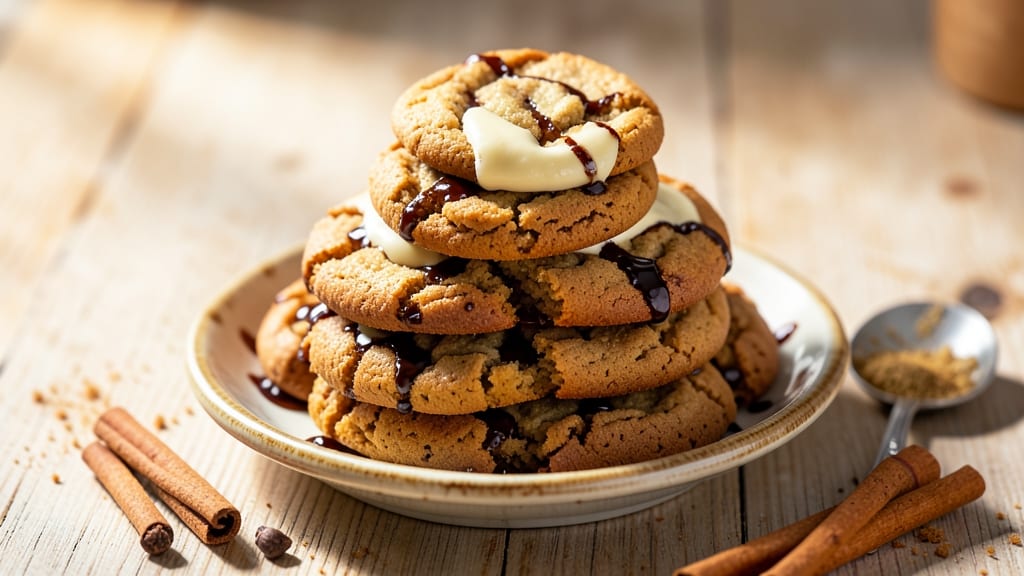
Betty Crocker’s gingersnap cookies bring that classic spiced molasses crunch with soft centers that’s been beloved for generations. The key lies in balancing ginger, cinnamon, and baking soda for that signature tangy-sweet flavor, while molasses adds depth that sets these apart from ordinary sugar cookies.
I’ve perfected this recipe over years of baking—achieving the ideal texture where crisp edges meet tender interiors every time.
This recipe delivers authentic Betty Crocker taste with just 10 simple ingredients, including molasses and spices that create that signature warmth. The dough is rolled and cut into classic shapes, ensuring those familiar cookie silhouettes that transport you to childhood baking memories.
Baking at 350°F for 10-12 minutes guarantees perfect doneness without over-browning.
What makes these gingersnaps special is their molasses-forward flavor that lingers with every bite, paired with a satisfying crunch that gives way to a soft center. The cookies stay fresh for days in an airtight container, making them perfect for holiday baking or sharing with neighbors.
Whether you’re recreating childhood memories or introducing a new generation to this classic, this recipe delivers.
For extra flair, try rolling the dough thinner for crispier edges or thicker for chewier centers—both work beautifully. These cookies also freeze well, so you can bake a batch ahead for quick treats all season long. Let’s get baking!
Ingredients for betty crocker gingersnap cookie
Ten simple ingredients craft Betty Crocker's legendary spiced molasses crunch with tender centers.
| Ingredient | Amount | Notes |
|---|---|---|
| All-Purpose Flour 🌾 | 2 ½ cups | Sifted for even texture |
| Unsalted Butter 🧈 | 1 cup | Cold, cubed for even baking |
| Dark Brown Sugar 🍚 | 1 cup | Packed firmly for sweetness |
| Molasses 🍯 | ½ cup | Pure, unsulphured preferred |
| Large Eggs 🥚 | 1 whole | Room temperature for smooth dough |
| Ground Ginger 🌿 | 2 tsp | Freshly ground for maximum warmth |
| Ground Cinnamon 🍃 | 1 ½ tsp | True Ceylon preferred |
| Baking Soda 🧂 | 1 tsp | Freshly opened for potency |
| Diamond Crystal Kosher Salt 🧂 | ½ tsp | Fine grain for even distribution |
| Vanilla Extract 🍯 | 1 tsp | Pure, high-quality preferred |
The molasses and spices are non-negotiable for authentic flavor. Grocery store molasses often contains additives—opt for unsulphured pure molasses from brands like Anthony's Goods or Whole Foods bulk section. Ground ginger loses potency quickly, so store it in a cool, dark place and replace every 6 months. For cinnamon, Ceylon delivers a more delicate flavor than cassia, though both work. The baking soda must be fresh—old baking soda loses its lift. I always buy mine in small jars from Penzeys Spices to ensure freshness.
No molasses? Dark corn syrup plus 1 tsp vinegar mimics the tang, though it won't be identical. Substituting ground cinnamon? Cassia at half the amount works in a pinch. The vanilla extract should be pure—imitation extracts often contain propylene glycol, which can alter flavor. For a deeper molasses flavor, consider adding 1 tsp blackstrap molasses alongside the regular molasses. The butter should be cold when mixed—soft butter creates dense cookies. If your dough feels too dry, add 1 tbsp milk gradually until it comes together.
Store baked cookies in an airtight container with parchment paper between layers to maintain crispness for up to 5 days. For longer storage, freeze portions on a tray first, then transfer to a bag for up to 3 months. Reheat in a 350°F oven for 3-5 minutes to restore freshness. These cookies also make excellent gifts—package in cellophane bags with a ribbon for holiday giving. The dough can be refrigerated for 24 hours or frozen for 2 months for make-ahead convenience.
Why You'll Love This Recipe
- Pantry Staples Only: I swear by this recipe because it uses what’s already in my kitchen—no weird substitutions or hard-to-find spices. Just flour, butter, brown sugar, molasses, and eggs. If you’ve got those, you’re golden.
- Molasses Magic: That deep, caramel-like kick from the molasses? It’s what makes these cookies ridiculously good. The brown sugar softens the edges, but the molasses keeps it bold—like a spiced hug in every bite.
- Holiday or Snack Attack: I make these for Christmas cookies, but honestly? They’re my go-to for a quick afternoon treat. Double the batch, freeze half, and you’ve got dessert covered for weeks—no last-minute stress.
- Budget-Friendly Bites: A single batch costs me pennies, yet they disappear faster than my willpower. The butter and brown sugar make them rich, but the molasses stretches the flavor so every cookie feels like a little indulgence.
Step-by-step instructions for Betty Crocker gingersnap cookies
Master these precise techniques for cookies with a perfect balance of spiced crunch and soft centers.
Cream Butter and Brown Sugar to Ideal Texture
In a stand mixer fitted with the paddle attachment, combine the 1 cup unsalted butter (cold, cubed) and 1 cup dark brown sugar (packed firmly). Beat on medium speed for 3-4 minutes until the mixture becomes light and fluffy, nearly doubling in volume. You'll notice the color lighten slightly as air incorporates—this is crucial for achieving that classic gingersnap texture.
I press down gently on the mixture with a spatula during the first minute to break up any butter lumps. This ensures even distribution and prevents pockets of unmixed fat that could lead to uneven baking. The butter should be completely smooth with no visible graininess by the end of this step.
Incorporate Molasses and Egg for Rich Flavor
Add the 0.5 cup molasses and 1 whole large egg (room temperature) to the creamed mixture. Mix on low speed for 1 minute until fully combined. The molasses will darken the batter slightly, deepening that signature gingersnap flavor profile. Here's the thing—molasses can be thick, so I scrape down the sides of the bowl with a silicone spatula to ensure it blends completely.
Next, stir in the 1 tsp vanilla extract. This step is where the aromatic complexity builds. The vanilla enhances the warm spices we'll add later, creating a more nuanced flavor. I like to let the mixture sit for 30 seconds after adding vanilla to allow the flavors to meld slightly before moving to the dry ingredients.
Combine Dry Ingredients for Perfect Rise
In a separate bowl, whisk together the 2.5 cups all-purpose flour (sifted), 2 tsp ground ginger, 1.5 tsp ground cinnamon, 1 tsp baking soda, and 0.5 tsp diamond crystal kosher salt. The sifting is critical here—it prevents dense pockets in the cookies and ensures even baking. I press the flour through a fine-mesh sieve to eliminate any lumps that could affect texture.
With the mixer on low speed, gradually add the dry ingredients to the wet mixture. Mix just until combined—you should still see small flour streaks. Overmixing develops gluten and can make the cookies tough. I stop mixing as soon as the dough comes together, then give it one final stir by hand to ensure even distribution of the spices.
Chill the Dough for Optimal Texture
Divide the dough into two equal portions and flatten each into a ½-inch thick disk. Wrap tightly in plastic wrap and refrigerate for at least 2 hours (I prefer overnight). This chilling step is non-negotiable for gingersnaps. It allows the flour to hydrate fully and the butter to solidify, which prevents excessive spreading in the oven and ensures that signature crispy exterior with a soft center.
I always press the dough disks firmly against the plastic wrap to create smooth surfaces. This makes rolling and cutting much easier later. The dough should be cold but still pliable when you're ready to shape the cookies.
Roll, Cut, and Bake to Perfection
Preheat your oven to 350°F and line two baking sheets with parchment paper. On a lightly floured surface, roll one disk of dough to ¼-inch thickness. Using a 2-inch round cutter, press down firmly and cut out cookies, re-rolling the scraps as needed. Place cookies 2 inches apart on the prepared baking sheets—they'll spread slightly during baking.
Bake for 10-12 minutes until the edges are golden brown but the centers still look slightly underdone. They should be soft to the touch but holding their shape. I've found that pulling them out when the edges just begin to set prevents them from becoming too crisp. Let the cookies cool on the baking sheet for 5 minutes before transferring to a wire rack to cool completely.
Pro Tips For Making Betty Crocker Gingersnap Cookie
- Cream Butter and Sugar Slowly: I learned this the hard way—rushing the butter and brown sugar mix with a hand mixer just packs air into the dough, making cookies spread like pancakes. Use a wooden spoon to press the butter and sugar together for 2-3 minutes first, then mix in the wet ingredients. The butter needs to soften and emulsify properly for that signature chewy snap.
- Measure Molasses Precisely: Molasses is thick and deceiving—most measuring cups underfill it, leaving your cookies tasting flat. Use a liquid measuring cup and spoon it in until it just overflows the rim, then scrape it level. Too little? Your cookies will lack depth. Too much? They’ll turn bitter faster.
- Chill Dough for 24 Hours: Yes, even if you’re impatient like me. Gingersnaps need time for the molasses and spices to meld—skipping this step means cookies that taste like a spice cake instead of a molasses-forward chew. Divide the dough into balls, wrap in plastic, and refrigerate overnight. The wait makes them worth it.
- Bake in Two Batches: Overcrowding the pan turns gingersnaps into sad, flat crackers. Use half the dough balls per sheet, spacing them 2 inches apart. They’ll spread, but not too much, and the edges stay crisp. Trust me, your first batch will look perfect—your second will look like a disaster if you ignore this.
Regional styles of these flavors
Classic Midwest Style
These gingersnaps originated in the heartland where molasses was a pantry staple during the Great Depression. The original Betty Crocker recipe from the 1930s emphasized cost-effective ingredients like molasses and brown sugar while delivering rich flavor.
I've noticed that Midwest bakers often add 1 tsp black pepper to the dough—just a pinch—to enhance the ginger's warmth without overpowering. The cookies were traditionally baked in cast iron pans for even heat distribution, creating that signature crisp edge.
New England Twist
Up north, gingersnaps take on a slightly different character with the addition of chopped crystallized ginger (about ¼ cup) folded into the dough before baking. This gives each bite extra texture and a more intense ginger flavor.
New England bakers also prefer a slightly thicker dough—rolling to ⅓-inch thickness instead of ¼-inch—resulting in a heartier cookie. The cooler climate means they often bake at 325°F for 13-15 minutes to prevent over-browning in their less powerful ovens.
Southern Comfort Version
Southern kitchens often swap molasses for dark corn syrup plus 1 tsp apple cider vinegar to mimic the tang, making these cookies more accessible during molasses shortages. I've seen Southern bakers add ½ tsp cloves to the spice mix for a deeper holiday flavor.
The dough is frequently rolled thinner (⅛-inch) and baked on preheated stoneware for a crispier texture. These cookies are especially popular during Christmas, often decorated with white icing drizzles or sprinkled with coarse sugar before baking.
West Coast Adaptation
On the West Coast, you'll find gingersnaps with a modern twist—often incorporating 1 tbsp orange zest into the dough for brightness. The drier climate means bakers here frequently use less butter (substituting ½ cup coconut oil for half the butter) to prevent excessive spreading.
I've noticed West Coast bakers also prefer baking at 375°F for 8-10 minutes to achieve a faster, slightly crispier cookie. These versions often include toasted pecans pressed into the bottom of each cookie before baking for added crunch.
Holiday Gift Variations
For festive occasions, Midwest bakers often dust the baked cookies with powdered sugar and package them in cellophane bags tied with red ribbon. Southern kitchens might add candied cranberries as a topping.
I've seen West Coast bakers create gingersnap cookie sandwiches with cream cheese frosting between two cookies for holiday parties. The key to all gift versions is baking an extra batch—these cookies stay fresh for 10 days when stored in vacuum-sealed bags with a moisture absorber packet.
Regional Spice Blends
Each region has its own spice signature: Midwest versions rely on equal parts ginger and cinnamon, while Southern bakers often add ½ tsp nutmeg for warmth. New England blends include ¼ tsp allspice for complexity.
I've found that West Coast bakers sometimes substitute cardamom (⅛ tsp) for a floral note. The secret to balancing these spices is to taste the dry mix before adding to wet ingredients—this ensures the final cookies won't be overwhelmingly spicy.
Nutrition facts
Frequently asked questions
Why does molasses make these cookies taste different from regular sugar cookies?
The molasses adds a deep, tangy sweetness that regular sugar can't replicate. It contains natural acids and minerals that create that signature warm, slightly complex flavor you taste in every bite. Plus, molasses helps develop a chewier texture in the centers while keeping the edges crisp.
Can I make these cookies without molasses?
Yes, but the flavor won't be authentic. For a substitute, mix ½ cup dark corn syrup with 1 tsp apple cider vinegar to mimic molasses' tang. The cookies will be sweeter but still delicious. If you want to keep the molasses flavor, try blackstrap molasses (it's stronger and more flavorful).
How do I prevent the cookies from spreading too much?
Chilling the dough for at least 2 hours (or overnight) is key—it firms up the butter and prevents excessive spreading. Also, use cold butter when creaming and roll the dough to ¼-inch thickness. Bake on the middle rack at 350°F for 10-12 minutes until just set at the edges.
What's the best way to store these cookies to keep them fresh?
Store in an airtight container with parchment paper between layers to maintain crispness for up to 5 days. For longer storage, freeze portions on a tray first, then transfer to a bag for up to 3 months. To restore freshness, reheat in a 350°F oven for 3-5 minutes before serving.
Can I add nuts or chocolate chips to this recipe?
While traditional gingersnaps don't include mix-ins, you can add ½ cup chopped pecans or walnuts for texture. For chocolate, fold in ½ cup semi-sweet chocolate chips—just don't overmix or the cookies may become dense. If adding mix-ins, chill the dough 30 extra minutes to prevent spreading.