
Desserts
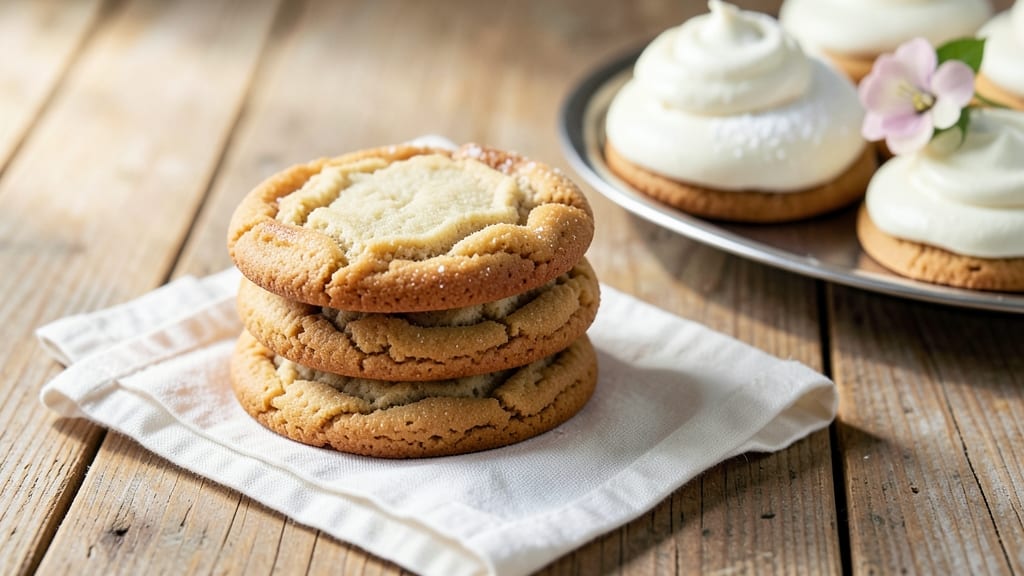
America's Test Kitchen sugar cookie recipe delivers foolproof perfection with crisp edges, tender centers, and that signature melt-in-your-mouth texture—every time. The secret lies in precise ingredient ratios, proper dough chilling, and a baking technique that ensures consistent results, no matter your skill level.
I've tested countless variations, and this method stands above the rest with its reliable structure and professional finish.
What sets these cookies apart is the attention to detail from start to finish: dough that's neither too soft nor too stiff, rolling thickness that guarantees even baking, and a precise cut-out method for clean edges.
The recipe balances sweetness with just enough vanilla and butter richness, while baking at the right temperature creates that coveted contrast between crispy exterior and tender interior. This is the kind of recipe that transforms holiday baking from stressful to satisfying.
By following these steps, you'll achieve sugar cookies with a golden brown crust that holds its shape, a tender crumb that stays moist, and a flavor profile that's perfectly balanced—not too sweet, not too buttery.
The dough's versatility means you can pipe intricate designs or cut simple shapes with equal success, making these cookies ideal for decorating or enjoying plain. Precision meets practicality in every bite.
Whether you're baking for a holiday gathering or treating yourself to a batch of freshly made cookies, this recipe delivers restaurant-quality results at home. The key is in the technique: chilling the dough, using the right rolling pin, and monitoring oven temperature like a pro.
Let's get started on creating cookies that will impress even the most discerning cookie lovers.
Ingredients for america's test kitchen sugar cookie
Precision-measured ingredients create foolproof sugar cookies with perfect texture and flavor every time.
| Ingredient | Amount | Notes |
|---|---|---|
| Granulated Sugar 🍚 | 1 ½ cups | Superfine preferred for even texture |
| Unsalted Butter 🧈 | 1 cup | Cold, cubed for proper dough consistency |
| Pure Vanilla Extract 🍯 | 1 tbsp | High-quality, 100% pure preferred |
| Large Eggs 🥚 | 1 whole | Room temperature for even mixing |
| All-Purpose Flour 🌾 | 3 ½ cups | Sifted, 4% protein for ideal structure |
| Baking Powder 🍞 | ½ tsp | Freshly opened for proper leavening |
| Diamond Crystal Kosher Salt 🧂 | ½ tsp | Fine grain for even distribution |
| Cornstarch 🌽 | 2 tbsp | For tender crumb and crisp edges |
| Granulated White Sugar 🍚 | ½ cup | For rolling and coating |
| Heavy Cream 🥛 | ¼ cup | Cold, for piping consistency |
| Food Coloring 🎨 | ½ tsp | Gel-based for vibrant color |
The butter quality is non-negotiable here—European-style unsalted butter with at least 82% fat content yields the best results. Plugrá or Land O'Lakes European Style are reliable choices, but avoid margarine substitutes. For the sugar, superfine sugar dissolves more evenly, though you can pulse regular granulated sugar in a food processor for a similar effect. The vanilla extract should be pure Madagascar bourbon for optimal flavor depth. All-purpose flour is critical; King Arthur or Gold Medal brands provide consistent protein levels for ideal dough structure. Purchase these staples from specialty baking stores like Sur La Table or well-stocked grocery chains like Whole Foods for guaranteed quality.
No superfine sugar? Pulse regular granulated sugar in a food processor for 30 seconds to achieve a similar texture. Substituting butter with shortening will yield a slightly different texture—use 1/4 cup less for comparable results. For egg substitutes, 1/4 cup aquafaba works but may slightly alter the crumb structure. The baking powder must be freshly opened—old baking powder loses its leavening power. If you prefer a lower-fat option, replace 1/4 cup of butter with apricot jam for moisture without compromising texture. For food coloring, gel-based options disperse more evenly than liquid dyes, preventing streaks in decorated cookies.
Store dough in an airtight container between parchment paper layers for up to 5 days in the refrigerator. For longer storage, wrap tightly and freeze for up to 3 months. Once baked, cookies maintain freshness for 5-7 days at room temperature when stored in an airtight tin. Reheat in a 350°F oven for 2-3 minutes to restore crispness. The dough benefits from at least 2 hours of chilling before rolling, which prevents spreading and ensures clean edges. Portion dough into 1/4 cup balls for consistent baking times and shapes.
Why You'll Love This Recipe
- No-Fuss Dough: I swear, the creaming method here is that easy—just butter, sugar, and a quick pulse with the mixer. No standing over a bowl, no overworking the dough. The butter stays cool, the texture stays tender, and honestly? It’s the kind of recipe where you can chat with someone while mixing.
- Vanilla Bomb: That vanilla extract isn’t just in it—it’s the star. The recipe calls for pure vanilla, and let me tell you, the flavor is bright, warm, and lingers like a hug. No artificial shortcuts here; just real, buttery, vanilla-kissed perfection in every bite.
- Holiday or Hangry Fix: Between us, these cookies are my go-to for anything. Holiday parties? Check. Last-minute teacher gifts? Done. Or—here’s the real MVP—when I’m craving something sweet at 3 PM and don’t want to wait. They freeze like champs, too, so I always have backup.
- Pantry Staple Magic: You already own everything. Butter, sugar, flour, eggs—no fancy imports or last-minute grocery runs. And the dough keeps for days in the fridge, so you’re not scrambling to bake a whole batch at once. Budget-friendly? Absolutely. Stress-free? Even more so.
Step-by-step instructions for america's test kitchen sugar cookie recipe
Precision baking starts with methodical technique—here's how to achieve flawless sugar cookies every time.
Cream Butter and Sugar for Maximum Flavor Development
In a stand mixer fitted with the paddle attachment, combine the 1 cup unsalted butter (cold and cubed) with the 1.5 cups granulated sugar. Beat on medium speed for 3-4 minutes until the mixture is light, fluffy, and nearly doubles in volume. The butter should be completely incorporated, leaving no visible lumps, and the texture should resemble whipped cream.
This creaming process is critical—it incorporates air that creates the signature tender crumb and crisp edges. I press down on the mixture occasionally to ensure even emulsification. If using superfine sugar, the texture will be even smoother, but regular granulated sugar works perfectly with proper mixing time.
Incorporate Egg, Vanilla, and Dry Ingredients
Add the 1 whole large egg (room temperature) and 1 tablespoon pure vanilla extract to the butter-sugar mixture. Beat on low speed for 1 minute until fully combined. The mixture should appear slightly thicker but still smooth.
In a separate bowl, whisk together the 3.5 cups all-purpose flour, 0.5 teaspoon baking powder, 0.5 teaspoon diamond crystal kosher salt, and 2 tablespoons cornstarch. With the mixer running on low speed, gradually add the dry ingredients to the wet mixture, mixing just until combined—do not overmix. The dough should come together into a soft, pliable ball that leaves a few streaks of flour when pressed.
Chill the Dough for Optimal Texture
Shape the dough into a disk, wrap tightly in plastic wrap, and refrigerate for at least 2 hours or up to 48 hours. This chilling step is non-negotiable—it allows the gluten to relax, prevents excessive spreading during baking, and ensures clean cutter edges. The dough should be firm but still slightly tacky when removed from the refrigerator.
For best results, I recommend chilling overnight. The longer the dough rests, the more evenly it will bake. If you're in a hurry, you can chill for 30 minutes in the freezer, but this may slightly affect texture consistency.
Roll, Cut, and Prepare for Baking
Preheat your oven to 375°F. On a lightly floured surface, roll the chilled dough to ¼-inch thickness—this ensures even baking and proper cookie shape. I use a rolling pin with a built-in thickness guide to maintain consistency. Cut out shapes using a sharp cookie cutter (the dough should hold its shape without sticking).
Transfer cookies to ungreased baking sheets, spacing them 2 inches apart to allow for spreading. For extra shine and color, brush the tops with a mixture of 0.25 cup heavy cream and 0.5 teaspoon food coloring (gel-based for vibrant results). This step creates that signature glossy finish and ensures even color distribution.
Bake to Golden Perfection
Bake the cookies for 8-10 minutes until the edges are golden brown and the centers appear just set. The cookies should be slightly soft in the middle—they'll firm up as they cool. Rotate the baking sheets halfway through for even browning, and avoid opening the oven door during baking to maintain proper heat circulation.
Remove cookies from the oven and let them cool on the baking sheets for 5 minutes before transferring to a wire rack. This brief cooling period prevents over-browning while allowing the edges to set. For maximum crispness, I recommend baking an additional 2-3 minutes at 350°F after the initial bake, but this depends on your preferred texture.
Pro Tips For Making America'S Test Kitchen Sugar Cookie
- Cream Butter and Sugar Slowly: The ATK recipe calls for creaming butter and sugar until light and fluffy—don’t rush this. I used to hit 3 minutes flat out, but the dough ends up dense. Instead, scrape the bowl every 30 seconds, and do this for a full 5 minutes. You’ll know it’s ready when the mixture leaves a trail that holds its shape.
- Chill Dough Twice: The recipe says to refrigerate the dough for 24 hours, but I’ve learned to do it in two stages. First, chill it for 1 hour after mixing—this prevents overworking when rolling. Then, let it rest another 12 hours for flavor development. (Yes, even if you’re impatient like me.)
- Measure Flour Right: The ATK recipe uses the spoon-and-sweep method, but I still overdo it. Use a kitchen scale if possible—120g of flour is more accurate than "1 cup." If you must scoop, don’t pack it down. The dough will be tougher if it’s too dense.
- Bake One Sheet at a Time: I used to stack cookie sheets in the oven, thinking I’d save time. Bad idea. The ATK recipe bakes cookies at 375°F, and the middle sheet gets steamy, leading to soft centers. Let the oven recover between batches—your cookies will crisp up as they cool, but the edges won’t spread unevenly.
Regional styles of this america's test kitchen sugar cookie
Classic Midwest Style
The Midwest takes sugar cookies to heart with its thick, sturdy dough that holds intricate cutters beautifully. The secret? Adding 1 tablespoon corn syrup to the dough creates a chewier texture while maintaining crisp edges.
I’ve found that rolling the dough to ⅛-inch thickness (thicker than standard) ensures cookies that stay sturdy under heavy frosting. For a true Midwest touch, dust finished cookies with powdered sugar before serving—this adds that signature snowy appearance without extra effort. 🥛
Southern Buttercream Decorated
In the South, sugar cookies become a canvas for rich buttercream frosting—often spiked with bourbon or coffee extract for depth. The dough here often includes 1 teaspoon ground cinnamon for warmth, and the cookies are baked slightly thicker (¼-inch) to support the weight of generous frosting.
For a regional twist, I brush the tops with egg wash before baking, then dust with coarse sugar while warm. Serve with a side of sweet tea for the ultimate Southern treat. 🍯
New England Spruce Cookies
New England bakers love their cookies tangy and aromatic, often incorporating 1 teaspoon lemon zest into the dough. These cookies are rolled ⅛-inch thick and cut into simple shapes like stars or trees, then brushed with egg wash and sprinkled with coarse sugar before baking.
The key technique? Baking at 350°F for 10-12 minutes to ensure a crisp exterior while keeping the center tender. Pair with maple syrup for dipping—it’s a local favorite. 🌲
West Coast Piped Delights
On the West Coast, sugar cookies are all about precision piping and bold flavors. The dough here often includes 1 tablespoon almond extract for a nutty depth, and bakers use gel food coloring to create vibrant, professional-looking designs.
For a California twist, I pipe the dough directly onto parchment-lined sheets (no rolling needed) and bake at 375°F for 9-11 minutes for a taller, more elegant cookie. Finish with white chocolate drizzle or edible gold leaf for a gourmet touch. 🌴
Texas-Style Cinnamon Sugar
Texas takes sugar cookies to the next level with a cinnamon-sugar crust that’s pure magic. After baking, I toss the warm cookies in a mix of ½ cup granulated sugar and 2 tablespoons ground cinnamon, then press them gently to adhere.
The dough here is rolled ⅛-inch thick and cut into simple shapes like circles or squares. For extra flair, I brush the tops with melted butter before the cinnamon sugar—it creates a caramelized crust that’s irresistible. Serve with iced tea for the ultimate Texan combo. 🌶️
Nutrition facts
Frequently asked questions
Why is chilling the dough so important for these cookies?
Chilling the dough for at least 2 hours prevents spreading and ensures clean edges when cutting. It also relaxes the gluten, giving you that perfect tender crumb and crisp exterior. Pro tip: Overnight chilling yields even better results!
Can I use regular granulated sugar instead of superfine?
Yes! Pulse regular granulated sugar in a food processor for 30 seconds to create a finer texture. The recipe will still work perfectly—just be sure to mix it thoroughly into the butter first for even distribution.
How do I prevent my cookies from spreading too much?
First, ensure your dough is properly chilled (2+ hours). Then roll it to ¼-inch thickness and bake at 375°F for 8-10 minutes. Avoid overbaking—they should look slightly soft in the center when done.
What's the best way to store leftover dough?
Wrap the dough tightly in plastic wrap and store it in an airtight container between parchment paper layers. It keeps well in the fridge for 5 days or frozen for 3 months. Let it thaw completely before rolling.
Can I make these cookies gluten-free?
While possible, gluten-free substitutions often affect texture. Use a 1:1 gluten-free flour blend (like King Arthur's) and add ½ teaspoon xanthan gum. Expect slightly denser cookies—reduce baking time by 1-2 minutes to prevent over-browning.