
Desserts
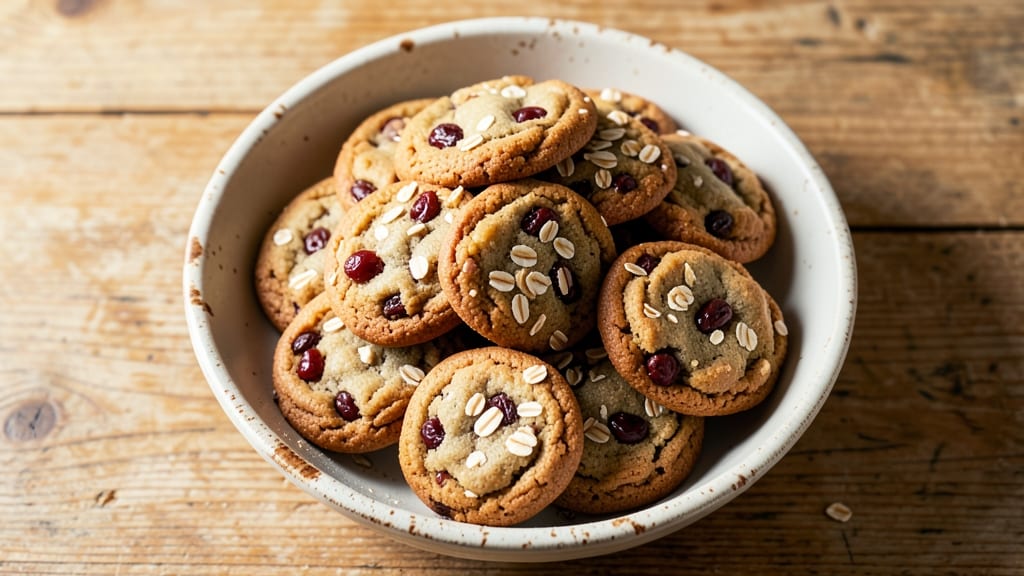
America's Test Kitchen oatmeal raisin cookies deliver the perfect balance of chewy centers and caramelized raisins—a foolproof recipe that's been refined through years of testing. The secret lies in precise ingredient ratios and a chilled dough that ensures even baking, eliminating the risk of over-browning or dry cookies.
I've baked dozens of variations, and this method consistently produces results that rival bakery-quality treats.
What sets this recipe apart is the technique of folding in raisins just before baking, allowing them to soften slightly while maintaining their natural sweetness. The dough includes a touch of cinnamon and nutmeg for warmth, while brown sugar adds depth that white sugar alone can't match.
With 10 ingredients and 15 minutes of prep, you'll have cookies that are tender yet sturdy, with crisp edges and a melt-in-your-mouth interior.
Baking at 350°F for 10–12 minutes ensures a golden crust without burning, while the raisins caramelize beautifully on the edges. The texture is chewy yet sturdy, with pockets of buttery richness that make each bite satisfying.
These cookies stay fresh for days when stored properly, making them perfect for baking ahead or sharing with neighbors.
For those with dietary restrictions, substitutions like gluten-free flour or vegan butter work surprisingly well—just adjust the baking time slightly. The recipe's precision makes it adaptable without sacrificing flavor. Let's get baking with this restaurant-quality favorite that's easy enough for weeknight treats.
Ingredients for america's test kitchen oatmeal raisin cookie
Ten carefully chosen ingredients transform into America's Test Kitchen's signature chewy oatmeal raisin cookies.
| Ingredient | Amount | Notes |
|---|---|---|
| Old-Fashioned Rolled Oats 🌾 | 1 ½ cups | Not instant oats, toasted lightly for depth |
| Unsalted Butter 🧈 | ¾ cup | Cold and cubed for even distribution |
| Dark Brown Sugar 🍯 | ¾ cup | Packed firmly, not lightly spooned |
| Granulated White Sugar 🍚 | ¼ cup | For crisp edges and balance |
| Large Eggs 🥚 | 1 whole | Room temperature for even mixing |
| Pure Vanilla Extract 🍯 | 1 tbsp | High-quality, not imitation |
| Ground Cinnamon 🌿 | 1 tsp | Freshly ground for maximum aroma |
| Ground Nutmeg 🌿 | ¼ tsp | Freshly grated for warmth |
| Diamond Crystal Kosher Salt 🧂 | ½ tsp | Fine grain for even distribution |
| Seeds-Only Raisins 🍇 | 1 cup | Plumped in warm water, drained |
| All-Purpose Flour 🌾 | 1 cup | Sifted for light texture |
The oats are the foundation—Bob's Red Mill old-fashioned rolled oats are my go-to for their toasted depth, but any quality brand works. The butter must be cold and cubed to prevent overmixing, which leads to tough cookies. For the sugars, Domino dark brown sugar packed firmly ensures the caramelized flavor, while the white sugar creates those coveted crisp edges. The raisins? Seeds-only raisins from Trader Joe's plump beautifully in warm water, but any quality brand will do—just don't skip the soaking step. Freshly ground cinnamon and nutmeg from Penzeys Spices elevate the warmth, but store-bought will suffice if you're in a pinch.
No vanilla extract? Vanilla bean paste works in a 1:1 ratio, or a splash of almond extract for depth. Running short on raisins? Chopped dried apricots or dates add a similar chewy texture, though the flavor profile shifts slightly. For a nutty twist, fold in 1/4 cup chopped walnuts with the raisins. The flour is non-negotiable—King Arthur all-purpose sifts beautifully, but any quality brand will work if sifted properly. If you're gluten-free, Bob's Red Mill 1:1 gluten-free flour mimics the texture remarkably well, though baking time may need adjustment.
Store the dough in an airtight container in the fridge for up to 48 hours—this enhances flavor development. Once baked, these cookies stay fresh for 5-7 days at room temperature, wrapped in parchment. For longer storage, freeze portions on a tray before transferring to a bag for up to 3 months. The key to reheating? 30 seconds in the microwave restores that bakery-fresh warmth without drying them out.
Why You'll Love This Recipe
- No Mixer Needed: I swear by this recipe when my mixer’s on the fritz—just cream the butter and sugars by hand, then fold in the oats and egg. The rolled oats add texture without requiring any special equipment, and honestly? The result is just as chewy and perfect.
- Chewy, Not Gummy: That combo of dark brown sugar and white sugar, plus the rolled oats, gives these cookies a satisfying bite—not too soft, not too hard. The egg binds everything together just right, and the raisins stay plump instead of drying out. (Yes, even on a Tuesday night.)
- Bulk-Friendly Baking: I double the batch and freeze half for when I need a quick snack or gift for the teacher. The dough holds together well, and the cookies reheat beautifully—just toss them in the oven for 5 minutes. No sad, dry cookies here.
- Pantry Staple Magic: Between us, this recipe uses ingredients you already have: butter, sugar, eggs, and oats. No weird substitutions or hard-to-find items. It’s my go-to when I’m low on time but still want something that tastes like comfort wrapped in a cookie.
Step-by-step instructions for america's Test Kitchen oatmeal raisin cookies
This method delivers perfectly balanced cookies with chewy centers and caramelized raisins every time.
Prepare the Raisins and Mix Dry Ingredients
Begin by plumping the seeds-only raisins for maximum flavor. Place the 1 cup seeds-only raisins in a small bowl and pour just enough warm water to cover them. Let them soak for 10 minutes, then drain thoroughly using a fine-mesh strainer. This step ensures the raisins stay moist during baking and develop that signature caramelized texture.
In a separate medium bowl, whisk together the 1 cup all-purpose flour, 1 teaspoon ground cinnamon, 0.25 teaspoon ground nutmeg, and 0.5 teaspoon diamond crystal kosher salt. Sift the mixture through a fine-mesh sieve directly into a large mixing bowl to aerate the flour and prevent dense cookies. Set aside the dry ingredients until ready to combine.
Cream Butter and Sugars to Lighten the Dough
In the bowl of a stand mixer fitted with the paddle attachment, combine the 0.75 cup unsalted butter (cold and cubed) with the 0.75 cup dark brown sugar and 0.25 cup granulated white sugar. Mix on medium speed for 3-4 minutes until the mixture is light and fluffy, nearly doubling in volume. The butter should be fully incorporated but still hold its shape when pressed between fingers.
This creaming process is critical—it incorporates air into the dough, which creates the signature chewy texture and crisp edges. If the mixture feels too soft after mixing, chill the bowl in the refrigerator for 10-15 minutes to firm up the butter slightly before proceeding.
Combine Wet Ingredients and Fold in Dry Components
Add the 1 whole large egg (room temperature) and 1 tablespoon pure vanilla extract to the butter-sugar mixture. Mix on low speed until fully combined, scraping down the sides of the bowl as needed. The dough will appear slightly curdled at first, but this will resolve when the dry ingredients are added.
Gradually add the sifted dry ingredients to the wet mixture, mixing on low speed just until combined. Avoid overmixing—you should still see small flour streaks. Fold in the drained seeds-only raisins using a silicone spatula, ensuring even distribution throughout the dough. The raisins should be coated but not crushed, preserving their texture.
Chill the Dough for Optimal Texture
Cover the mixing bowl with plastic wrap and refrigerate the dough for at least 1 hour, or up to 24 hours. This chilling step is essential—it allows the flour to fully hydrate, prevents excessive spreading in the oven, and ensures the cookies develop their characteristic chewy centers. The dough should be firm but still pliable when removed from the refrigerator.
Real talk: Skipping this step results in flat, cakey cookies. The cold dough also makes handling easier—you won’t have sticky fingers or dough balls that fall apart when scooping. Preheat your oven to 350°F while the dough chills to save time.
Bake to Golden Perfection
Line two baking sheets with parchment paper and preheat the oven to 350°F. Using a cookie scoop or tablespoon, portion the chilled dough into 1.5-tablespoon-sized balls (about 16 per batch) and place them 2 inches apart on the prepared sheets. The dough will hold its shape better when cold, ensuring thicker cookies.
Bake for 12-14 minutes, rotating the sheets halfway through, until the edges are golden brown and the centers still appear slightly underdone. The cookies should pull away cleanly from the parchment paper. Let them cool on the baking sheets for 5 minutes before transferring to a wire rack to set completely. The centers will firm up as they cool, delivering that signature chewy texture.
Pro Tips For Making America'S Test Kitchen Oatmeal Raisin Cookie
- Pulse Oats Briefly: DESCRIPTION: I learned this the hard way—over-processing the oats turns them into flour, and your cookies lose that signature chewy texture. Hit the food processor just until they look like rough sand (about 3-4 seconds), then stop. You want chunks, not dust.
- Cream Butter Slowly: DESCRIPTION: The butter needs to be just soft—not melted, not cold—when you mix it with the sugars. If it’s too warm, the cookies spread too much; if it’s rock-hard, the dough fights you. Let it sit at room temp for 30-45 minutes, then press a finger into it—if it leaves a slight indent, you’re good.
- Skip the Overmixing: DESCRIPTION: This dough is finicky. Once you fold in the oats and raisins, stir just until combined—maybe 10-12 turns. Overmixing develops the gluten, and your cookies turn out dense and cakey instead of tender. The dough will look shaggy, but that’s exactly what you want.
- Use Cold Eggs: DESCRIPTION: Sounds weird, but it works—pull the eggs straight from the fridge and let them sit in the bowl for 5 minutes before cracking. Cold eggs firm up the butter faster, which helps the cookies hold their shape better. (Yes, even if you’re impatient like me.)
Regional styles of this america's test kitchen oatmeal raisin cookie
New England Spiced
In New England, these cookies get a cozy twist with extra warmth from ¼ teaspoon ground cloves and ½ teaspoon ground allspice alongside the cinnamon and nutmeg. I like adding ¼ cup chopped pecans for a buttery crunch that complements the raisins beautifully.
The dough benefits from a 1-hour chill, but I’ve found these hold up better to longer baking times—up to 15 minutes—for deeper caramelization. 🌶️
Southern Caramelized
Southern bakers take these cookies to another level by folding in ½ cup chopped pitted dates along with the raisins for extra chewiness. A splash of 1 teaspoon bourbon in the dough adds depth, while a sprinkle of flaky sea salt on top after baking balances the sweetness.
I’ve seen variations where the dough is baked at 325°F for 16-18 minutes to create a thicker, almost cake-like texture. 🥃
Midwest Buttery
The Midwest version leans into rich, buttery flavor by using 1 cup (2 sticks) unsalted butter instead of ¾ cup, creating a denser, almost fudgy texture. I’ve found that adding ¼ cup chopped walnuts and a pinch of cardamom gives it a Scandinavian-inspired touch.
These cookies are best baked at 350°F for 10-12 minutes and kept in airtight containers for up to 10 days—they stay moist longer than the classic version. 🧈
Pacific Northwest Dried Fruit
Out West, these cookies often feature ½ cup chopped dried apricots and ½ cup chopped dried cherries instead of raisins, adding tartness that cuts through the sweetness. A drizzle of honey (2 tablespoons) replaces some of the brown sugar, and the dough includes 1 teaspoon orange zest for brightness.
Bake at 350°F for 11-13 minutes—the higher altitude in places like Seattle can require slightly less time. 🍑
Texas-Style Cinnamon Swirl
Texas bakers love adding a cinnamon-sugar swirl to the dough before baking, creating a marbled effect that’s visually stunning. The dough is rolled into balls, then pressed into a well-floured surface to create a flat center before baking.
These are best served warm, straight from the oven, with a glass of cold milk. I’ve seen versions where chopped pecans are folded into the dough, adding a Southern touch. 🌟
Gluten-Free Adaptation
For gluten-free versions, swap the all-purpose flour for 1 cup Bob’s Red Mill 1:1 gluten-free baking flour and add 1 teaspoon xanthan gum to improve texture. The dough may be slightly crumbly, so I recommend mixing it with your hands until just combined.
Bake at 350°F for 13-15 minutes—gluten-free dough spreads less but needs extra time to set. These still deliver that chewy center, just with a slightly denser crumb. 🌾
Nutrition facts
Frequently asked questions
Why do these cookies need to chill before baking?
Chilling the dough for at least 1 hour is crucial for two reasons: it prevents excessive spreading (so your cookies stay thick and chewy), and it allows the flour to fully hydrate for a tender crumb. Skipping this step often results in flat, cakey cookies that lose their signature texture.
Can I substitute regular raisins for seeds-only raisins?
Yes, you can use regular raisins, but they won't plump as nicely during baking. Soak them in warm water for 15 minutes instead of 10 to mimic the texture. For best results, though, seeds-only raisins caramelize more evenly and stay moist longer in the oven.
What’s the secret to getting chewy centers?
The chewiness comes from creaming the butter and sugars properly (until light and fluffy) and baking at 350°F for just 12-14 minutes. The cookies should pull away cleanly from the parchment but still look slightly underdone in the center—they’ll firm up as they cool. Overbaking is the #1 mistake that kills chewiness!
How do I store these cookies to keep them fresh?
Store cooled cookies in an airtight container at room temperature for up to 5-7 days. For longer storage, freeze portions on a tray (to prevent sticking) for up to 3 months. To reheat, microwave for 10-15 seconds—just enough to restore that bakery-fresh warmth without drying them out.
Can I make these gluten-free or vegan?
For gluten-free, use 1:1 gluten-free flour blend (like Bob’s Red Mill) plus 1 tsp xanthan gum, and bake 1-2 minutes longer. For vegan, swap butter for vegan butter (use same amount) and replace the egg with 1 tbsp flaxseed meal + 3 tbsp water. The texture may be slightly denser but still delicious!