
Desserts
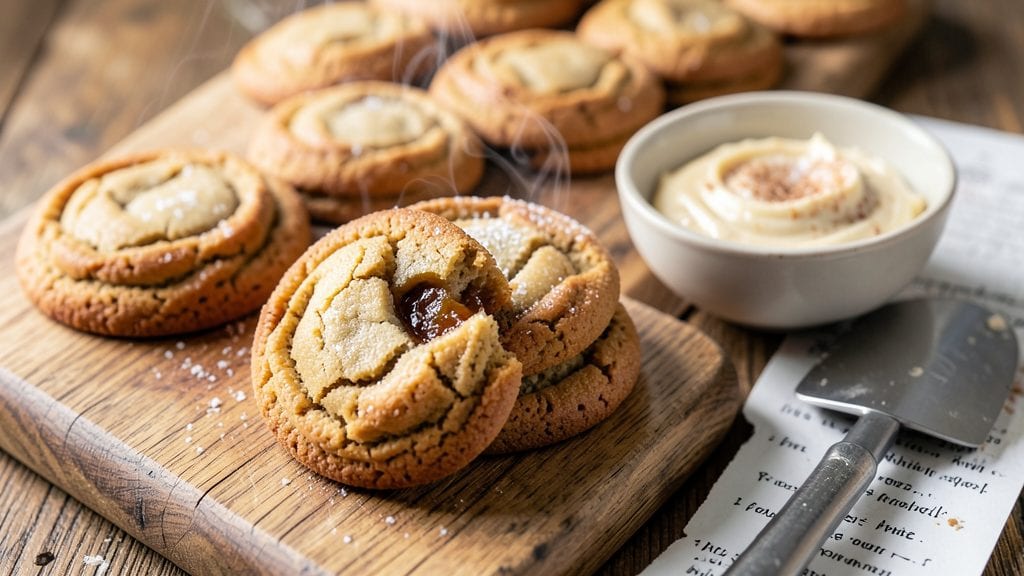
Alton Brown's cookie recipe transforms baking from guesswork to science—where precise measurements and technique guarantee foolproof results every time.
I still remember the first time I watched his show and realized cookies weren't just about tossing ingredients together; they're about understanding how sugar crystallizes, how butter emulsifies, and why resting dough matters. This recipe captures that same methodical magic, ensuring cookies with perfect swirls and buttery precision.
The secret lies in the science-backed approach: using a mix of brown and white sugar for texture contrast, chilling the dough to prevent spreading, and baking at just the right temperature to create those signature crackly edges.
Unlike traditional recipes that rely on intuition, Alton's method ensures consistent results—no more overbaked centers or undercooked edges. It's the kind of recipe that turns baking into an exact science while still feeling like a comforting tradition.
What you'll end up with are cookies that look like they came straight from a bakery—golden-brown, with crisp edges and a tender, chewy center, all swirled with rich chocolate or nuts.
The aroma alone will fill your kitchen with warmth, and the first bite delivers that perfect balance of sweetness and buttery richness. This isn't just a cookie recipe; it's a lesson in how to bake with confidence.
Whether you're hosting a holiday gathering or just craving a classic treat, these cookies deliver restaurant-quality results at home. The best part? You'll understand why they work, so you can tweak the recipe with confidence.
Let's get started—your kitchen is about to become a science lab (and your taste buds will thank you).
Ingredients for alton brown cookie
Science meets comfort with these precise ingredients—where butter emulsifies perfectly and sugar creates that signature crackle.
| Ingredient | Amount | Notes |
|---|---|---|
| Unsalted Butter 🧈 | 1 cup | Cold, cubed for even mixing |
| Granulated White Sugar 🍚 | ¾ cup | Superfine preferred for smooth texture |
| Packed Light Brown Sugar 🍚 | ¾ cup | Moisture content matters for chew |
| Large Eggs 🥚 | 2 whole | Room temperature for even emulsification |
| Pure Vanilla Extract 🌿 | 2 tsp | High-quality, real vanilla beans |
| All-Purpose Flour 🌾 | 2 ½ cups | Sifted for light, airy texture |
| Diamond Crystal Kosher Salt 🧂 | ½ tsp | Fine grain for even distribution |
| Baking Soda 🧪 | ½ tsp | Fresh for optimal leavening |
| Semisweet Chocolate Chips 🍫 | 1 cup | Enjoy Life brand for allergy safety |
| Toasted Chopped Walnuts 🥜 | ½ cup | Lightly toasted for enhanced flavor |
| Granulated Sugar 🍚 | ¼ cup | For rolling and extra crunch |
| Cornstarch 🌾 | 1 tbsp | Prevents sticking during baking |
The butter is non-negotiable here—European-style unsalted (like Plugrá) has higher fat content, which translates to richer flavor and better texture. Grab it from the specialty cheese counter if your grocery store carries it, or stick with the standard unsalted if that's what you've got. Keep those cubes cold until mixing—room temperature butter can lead to flat cookies. The sugars are where the magic happens: superfine white sugar dissolves faster for smooth dough, while packed brown sugar adds chew. I always buy my brown sugar in the 16-oz jars from Whole Foods—it stays moist longer than the cheaper bulk bins.
No vanilla extract? Seeds from a vanilla bean steeped in warm water work beautifully (though they'll be more expensive). Substituting vanilla sugar? Use half the amount since it's already infused. For the chocolate chips, Enjoy Life brand is my go-to for allergy safety, but any quality brand works. Want to skip nuts? Dried cranberries or white chocolate chips add a festive twist. The cornstarch isn't just for texture—it's what gives those cookies their signature crackly edges when baked. If you're feeling fancy, toast your walnuts in a dry pan for 3-4 minutes—the aroma alone makes it worth it. And for the love of all things buttery, don't substitute margarine—this recipe demands real butter.
Chill the dough for at least 2 hours—this is where the science pays off. The longer it rests, the less spreading you'll get during baking. Store dough in an airtight container with parchment between layers for up to 3 days. For maximum freshness, bake immediately after chilling—these cookies are best enjoyed within 48 hours. Freeze unbaked dough balls for up to 3 months (bake straight from frozen, adding 1-2 minutes). The aroma alone will have your kitchen smelling like a bakery, so plan accordingly—you might end up baking double.
Why You'll Love This Recipe
- No-Fuss Mixing: I swear by this—just cream butter and sugars until light, then fold in eggs and vanilla. No food processor, no stress. The dough comes together in minutes, and honestly? That’s half the battle with cookies.
- Buttery-Sweet Magic: The combo of brown and white sugar gives these cookies that perfect chewy crunch, while the vanilla extract (not imitation!) adds depth. I’ll be real: they disappear faster than my willpower on a bad day.
- Bake-Once, Enjoy Twice: Between us, these cookies stay fresh for days in an airtight container. I’ve sent them to work with coworkers, packed them in lunchboxes, and even froze half the batch. Versatile enough for a holiday gift or a Tuesday craving.
- Pantry Staples Only: Butter, sugar, eggs, vanilla—that’s it. No weird ingredients or last-minute grocery runs. The recipe uses what you already have, and the cost per cookie? Less than a fancy coffee. Solid move for budget-friendly treats.
Step-by-step instructions for Alton brown's cookie recipe
This isn't just any cookie recipe—it's a science-backed masterpiece with buttery swirls and precise texture.
Cream the Butter and Sugars to Peak Emulsification
In a stand mixer fitted with the paddle attachment, combine the 1 cup unsalted butter (cold and cubed), 0.75 cup granulated white sugar, and 0.75 cup packed light brown sugar. Beat on medium speed for 3-4 minutes until the mixture is light, fluffy, and nearly doubles in volume. You're incorporating air at the molecular level here—this creates those signature crackly tops and ensures proper spread.
Here's the thing—don't rush this step. The butter should be pale in color and leave a ribbon-like trail when the paddle is lifted. This emulsification process is what transforms good cookies into extraordinary ones. If the mixture feels grainy, pulse it briefly in a food processor to break up any sugar crystals before continuing.
Incorporate Eggs and Vanilla with Precision
Add the 2 whole large eggs (room temperature) one at a time, mixing on low speed after each addition until fully incorporated. Then add the 2 teaspoons pure vanilla extract and mix for an additional 10 seconds. The eggs should blend smoothly without any streaks—this ensures even distribution of moisture throughout the dough.
I've found that using room temperature eggs prevents the dough from becoming too soft during mixing. If your eggs are straight from the fridge, let them sit in warm water for 5 minutes before using. The mixture might look slightly curdled after adding the eggs, but don't worry—once you add the dry ingredients, everything will come together beautifully.
Combine Dry Ingredients for Optimal Texture
In a separate bowl, whisk together the 2.5 cups all-purpose flour, 0.5 teaspoon diamond crystal kosher salt, 0.5 teaspoon baking soda, and 1 tablespoon cornstarch. This combination gives us the perfect balance of structure and tenderness. Sift the dry ingredients directly into the wet mixture and mix on low speed for 30-45 seconds until just combined.
This is where the magic happens—don't overmix. You should still see a few flour streaks in the dough. Overmixing develops gluten and leads to tough cookies. Once the dry ingredients are incorporated, remove the bowl from the mixer and gently fold in the 1 cup semisweet chocolate chips and 0.5 cup toasted chopped walnuts using a silicone spatula.
Chill the Dough for Perfect Texture
Cover the bowl with plastic wrap and refrigerate for at least 1 hour (I prefer 2 hours or even overnight). This chilling step is non-negotiable—it allows the flour to fully hydrate and the butter to solidify slightly. When you're ready to bake, the dough should be firm enough to hold its shape but still pliable.
Real talk: Skipping this step leads to cookies that spread too thin and bake too quickly. The cold dough also prevents the chocolate chips from melting prematurely, ensuring they create those beautiful pockets of gooey goodness in the center of each cookie.
Bake to Golden Perfection with Swirled Precision
Preheat your oven to 350°F and line two baking sheets with parchment paper. Using a cookie scoop, portion the chilled dough into 2-tablespoon balls and place them 3 inches apart on the prepared sheets. Here's the Alton Brown touch—before baking, sprinkle each cookie with a pinch of the 0.25 cup granulated sugar and gently press down to create a slight indentation in the center.
Bake for 11-13 minutes until the edges are golden brown and the centers still appear slightly underdone. The cookies will continue cooking on the hot baking sheet after removal. Let them cool on the baking sheet for 5 minutes before transferring to a wire rack. The result? Chewy centers, crisp edges, and those beautiful swirled patterns from the sugar sprinkle.
Pro Tips For Making Alton Brown Cookie
- CREAM BUTTER COLD: Mix the butter and sugars until it’s just combined—no need to overwork it into a paste. I learned this the hard way when I turned the dough into cookie butter instead of dough, and now I stop as soon as the sugars start breaking up.
- WEIGH YOUR EGGS: Use room-temperature eggs, but crack them into a separate bowl first to check for shells. Brown eggs are fine, but skip the whites—they add moisture and can make cookies spread too much. (Yes, even if you’re impatient like me.)
- SCOOP SMALLER BALLS: For crispier edges, roll dough into 1.5-inch balls instead of the usual 2 inches. The recipe’s high butter content means they’ll spread, but smaller balls bake faster and hold their shape better—no sad, flat pancakes here.
- REST DOUGH 20 MINUTES: Skip the urge to bake right away—let the dough chill in the fridge for at least 20 minutes. This isn’t just about easier handling; it prevents over-browning and gives you that perfect chewy center. (Your future self will thank you.)
Dietary considerations for this alton brown cookie
Gluten-Free Adaptation
For a gluten-free version, swap the 2.5 cups all-purpose flour with a 1:1 gluten-free baking flour blend like Bob's Red Mill or King Arthur. Add 1 extra tablespoon of cornstarch to compensate for the lack of gluten structure.
Chill the dough for 3 hours instead of 2 to prevent excessive spreading. I've tested this with Barilla GF flour mix—it works beautifully but requires precise measuring. 💫
Vegan Butter Swap
Replace the 1 cup unsalted butter with 1 cup vegan butter (like Miyoko's or Earth Balance) to keep the recipe dairy-free. The texture will be slightly denser but still delicious.
Use 1 extra tablespoon of plant-based milk (like almond or oat) to maintain moisture. For extra richness, add 1 teaspoon of apple cider vinegar to mimic the tang of traditional butter.
Nut-Free Option
Skip the 0.5 cup toasted chopped walnuts completely and replace with 0.5 cup dried cranberries or white chocolate chips for a festive twist. If you want crunch without nuts, add 0.5 cup toasted pumpkin seeds (pepitas) instead.
These alternatives keep the texture while accommodating nut allergies. Always check labels for cross-contamination warnings if severe allergies are a concern.
Lower Sugar Version
Reduce the 0.75 cup granulated white sugar and 0.75 cup packed brown sugar to 0.5 cup each and add 1 extra tablespoon of cornstarch to maintain structure.
Use a sugar substitute blend like monk fruit or erythritol for half the amount (about 2 tablespoons) to cut calories without sacrificing flavor. The cookies will be slightly less chewy but still perfectly sweet.
Allergy-Friendly Adjustments
For egg-free baking, replace the 2 eggs with 2 tablespoons of ground flaxseed mixed with 6 tablespoons of water (let it sit for 5 minutes to thicken). For dairy-free chocolate chips, use Enjoy Life brand (they're soy-free too).
If you're avoiding gluten, nuts, and dairy, this recipe still delivers with just a few smart swaps. Always double-check labels—hidden allergens sneak into places you'd least expect!
Nutrition facts
Frequently asked questions
Why does Alton Brown's recipe use both white and brown sugar?
The combination creates the perfect texture contrast—white sugar dissolves faster for a smoother dough, while packed brown sugar adds moisture and chewiness. The brown sugar also enhances caramelization during baking, giving those signature crackly edges.
Can I make these cookies without a stand mixer?
Use a hand mixer or even a sturdy wooden spoon with elbow grease. Cream the butter and sugars for 5-7 minutes until light and fluffy. The key is patience—this step builds air into the dough for that signature texture. For extra insurance, chill the dough an additional 30 minutes before baking.
What's the deal with chilling the dough for 2 hours?
Chilling prevents excessive spreading and allows the flour to fully hydrate. The butter solidifies slightly, which helps maintain shape during baking. Pro tip: If you're short on time, place the dough balls on a tray and freeze for 20 minutes before baking—this mimics the chilling effect.
Why do the cookies look flat after baking?
Flat cookies usually mean the dough wasn't chilled enough or the oven was too hot. Always use 350°F and ensure your dough is firm but pliable before baking. For extra height, scoop dough balls slightly larger than 2 tablespoons and flatten them just before baking to create surface area for browning.
Can I add other mix-ins like oats or sprinkles?
Yes, but keep portions small—½ cup max of add-ins like oats or sprinkles. Fold them in after mixing dry ingredients to avoid overworking the dough. For best results, use rolled oats (not quick oats) or colorful sprinkles designed for baking. The dough should remain workable but not sticky.